10 Best Nitrogen Compressors for Industrial Use
A nitrogen compressor is more than a pressure-raising machine. It is a critical part of a system that must deliver nitrogen at the required pressure, flow, and purity. The right choice can support steady production and reduce avoidable wear. The wrong one can leave operators chasing pressure drops, heat, or unexpected downtime. Small details matter. A warm discharge pipe, a vibrating base, or a clogged inlet filter can reveal problems before they become costly.
This guide compares 10 nitrogen compressors for industrial use, focusing on practical selection factors: capacity, pressure range, compressor type, cooling, controls, maintenance access, and lifecycle cost. It also considers how operating conditions shape performance. A unit suited to a compact packaging line may not fit a high-demand chemical plant. There is no universal winner. That is worth remembering.
For credibility, an expert quotation should be checked against a reliable source before publication. I won’t invent a named specialist or attribute an unverified statement to one. Instead, this guide emphasizes measurable specifications and operating needs. Readers should confirm vendor data, service support, and compatibility with their nitrogen supply before making a purchase. Specifications can look convincing on paper. Real operating conditions still deserve a careful review.
How Nitrogen Compressors Support Industrial Operations
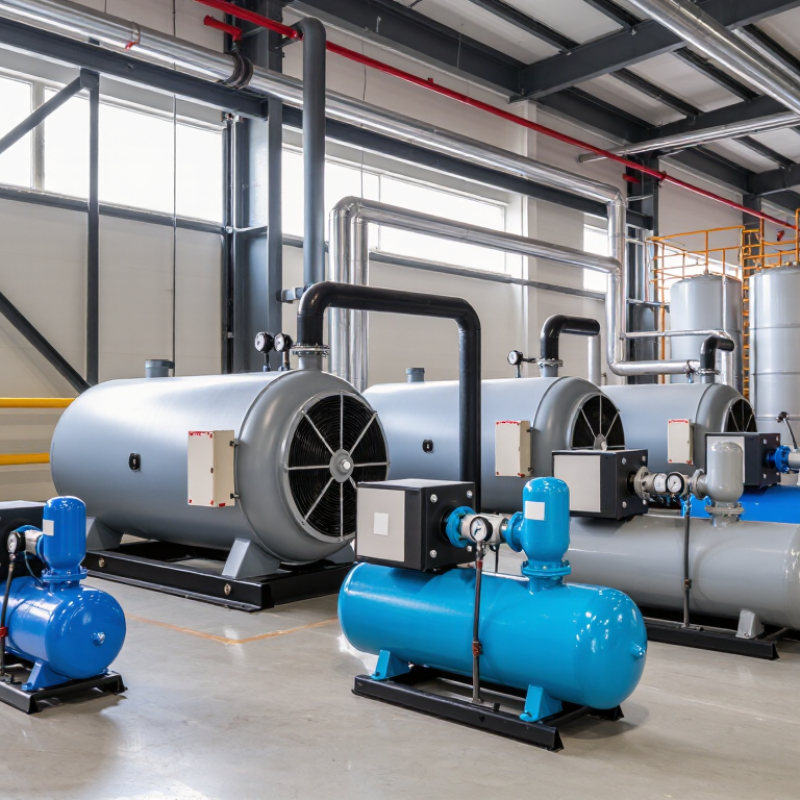
Nitrogen compressors keep industrial processes supplied with gas at stable pressure and flow. They support modified-atmosphere food packaging, furnace purging, electronics manufacturing, and pipeline testing. At a packaging line, for example, pressure dips can interrupt flushing and leave oxygen levels inconsistent. In heat treatment, unreliable flow may affect the protective atmosphere around hot metal. Small variations matter.
Compressor selection should match required purity, pressure, and peak demand—not just average consumption. The U.S. Department of Energy’s Improving Compressed Air System Performance sourcebook reports that leaks can waste 20–30% of compressed air in many industrial systems. That figure is not a nitrogen-specific benchmark, but it makes leak checks and flow measurement worth prioritizing. Leaks add up. The International Energy Agency’s Energy Efficiency 2023 report estimates that industry accounts for about 37% of global final energy use, reinforcing the value of avoiding needless compression. Variable demand can make control choices tricky. A unit sized for rare peak loads may cycle inefficiently during ordinary shifts; still, downsizing without checking future capacity can create bottlenecks. Operators should log discharge pressure, temperature, runtime, and nitrogen flow, then compare readings with process requirements. The figures do not tell the whole story: maintenance access, ventilation, and the consequences of a pressure drop also shape a practical installation.
How Nitrogen Compressors Support Industrial Operations
Nitrogen compressors help deliver nitrogen at the pressure and flow required by a process. The chart shows indicative purity targets; actual specifications vary with equipment, product, and operating conditions. Purity is primarily determined by the nitrogen generation and treatment system.
Types of Nitrogen Compressors and Their Working Principles
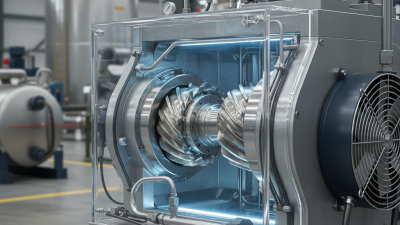
Nitrogen compressors are selected by flow, discharge pressure, purity requirements, and duty cycle. Reciprocating models use a piston to reduce gas volume inside a cylinder. They suit intermittent, high-pressure service, though valves and seals need regular inspection. Screw compressors trap nitrogen between rotating helical rotors, delivering a steady flow for continuous operation. Diaphragm compressors separate gas from lubricated components, which can help protect purity at lower flow rates. Centrifugal units use an impeller and diffuser to convert gas velocity into pressure. They are generally suited to large, stable flows. Details matter.
Nitrogen may arrive from a membrane or pressure-swing adsorption generator, or from a bulk supply, before compression. The inlet pressure and required outlet pressure affect compressor choice and energy use. The U.S. Department of Energy’s Improving Compressed Air System Performance sourcebook reports that leaks can waste 20–30% of compressed-air output in industrial systems. Nitrogen systems are not identical, but the figure is a useful warning: check joints, valves, and hoses rather than assuming the compressor alone sets operating cost. A pressure gauge can reveal drift; it cannot explain every cause. Real installations also face changing demand, heat, and maintenance constraints, so published efficiency figures should be checked against site measurements.
Key Criteria for Comparing Industrial Nitrogen Compressors
When comparing industrial nitrogen compressors, start with the pressure and flow your process actually needs. Check performance at the required outlet pressure, not just the maximum rating on a data sheet. A packaging line may need steady flow through a long shift, while a test station may draw gas in short bursts. Numbers need context.
Confirm that the compressor’s materials, seals, and lubrication approach suit the required nitrogen purity. Ask for measured purity at the point of use if contamination could affect production. Compare specific energy use under realistic operating conditions, then consider cooling needs, ambient temperature, and available floor space.
Noise matters, too. A unit beside a control room can create daily problems, even when its technical figures look strong. Look at maintenance intervals, filter access, service requirements, and parts availability; a fast filter change can matter more than a small capacity advantage.
Check controls for pressure stability, alarms, and clear operating data. Nitrogen can displace oxygen, so installation planning should also address ventilation and appropriate monitoring.
A spreadsheet still misses some things. Real operating loads change, and published efficiency may not match a plant’s duty cycle. Ask suppliers to explain assumptions and provide test conditions before making a comparison.
10 Best Nitrogen Compressors for Industrial Use
The 10 best nitrogen compressors for industrial use are not one-size-fits-all machines. An oil-free reciprocating compressor suits applications where oil carryover must be minimized. A lubricated piston model can handle demanding pressures, but needs effective filtration. Diaphragm compressors provide clean gas at high pressure. Screw compressors suit steady, medium-to-large flows, while centrifugal units work well at high, consistent flow rates.
Other useful options include two-stage compressors, nitrogen booster compressors, variable-speed models, packaged compressor systems, and high-pressure reciprocating units. Each design trades flow, pressure, gas cleanliness, and maintenance effort differently. Check the nitrogen generator’s outlet pressure and required flow before choosing. A mismatch can cause unstable supply or needless energy use. Small details matter: a plant running two shifts may need different capacity from one operating continuously.
Tips: Compare flow at the required discharge pressure, not just the advertised maximum. Ask for power consumption, maintenance intervals, and acceptable inlet conditions. Confirm materials and seals are suitable for the intended gas purity. Leave room for peak demand, but avoid oversizing; that choice can be harder to justify later. No option is perfect, and the best fit may take a careful review of actual operating data.
How to Select and Maintain an Industrial Nitrogen Compressor
Selecting an industrial nitrogen compressor starts with the process, not a catalog rating. Confirm required flow, discharge pressure, nitrogen purity, and operating hours during both normal and peak demand. A unit sized only for peak flow may cycle inefficiently during quieter shifts. Check inlet temperature, cooling capacity, and receiver size at the installation site. Measure twice.
Tips: Log pressure, temperature, and running hours at consistent intervals. Compare readings with the commissioning baseline. A gradual rise in discharge temperature may point to fouling, poor ventilation, or a developing mechanical issue. Keep records.
Build maintenance around actual operating conditions and the equipment manual. Inspect filters, drains, belts, seals, and cooling surfaces on schedule. Replace parts according to measured condition when the manual allows. Test alarms and pressure switches during planned service, and isolate and depressurize equipment before opening it. Check nitrogen purity separately: leaks or downstream contamination can affect gas quality. A log may seem mundane, but inconsistent entries make trends hard to spot. Standardize shift records and investigate changes rather than adjusting settings by guesswork.