How to Choose the Right Nitrogen Compressor for Your Needs?

Choosing the right nitrogen compressor is crucial for various industries. The demand for nitrogen compressors is growing due to increased applications in industries like oil and gas, food packaging, and electronics. A recent report by MarketsandMarkets estimates that the nitrogen compressor market will reach $1.2 billion by 2026, reflecting a compound annual growth rate of 4.5%.

When selecting a nitrogen compressor, several factors must be considered. Compressor size, efficiency, and output pressure are vital elements. Additionally, understanding the specific needs of your operation can greatly influence your choice. Research indicates that improper selection can lead to increased operational costs and decreased efficiency.

However, finding the ideal nitrogen compressor can be challenging. Each application has unique requirements, and a one-size-fits-all approach may not work. Collecting data on your operational needs will help make a more informed decision. A reputable supplier or manufacturer can offer indispensable guidance in this process. Balancing cost and performance can be tricky, but it's essential for long-term success.

How to Choose the Right Nitrogen Compressor for Your Needs?

Factors to Consider When Selecting a Nitrogen Compressor

How to Choose the Right Nitrogen Compressor for Your Needs?

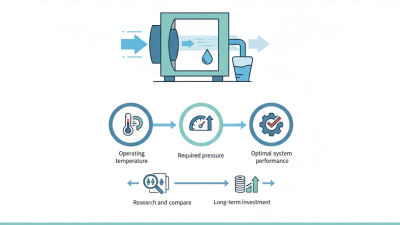
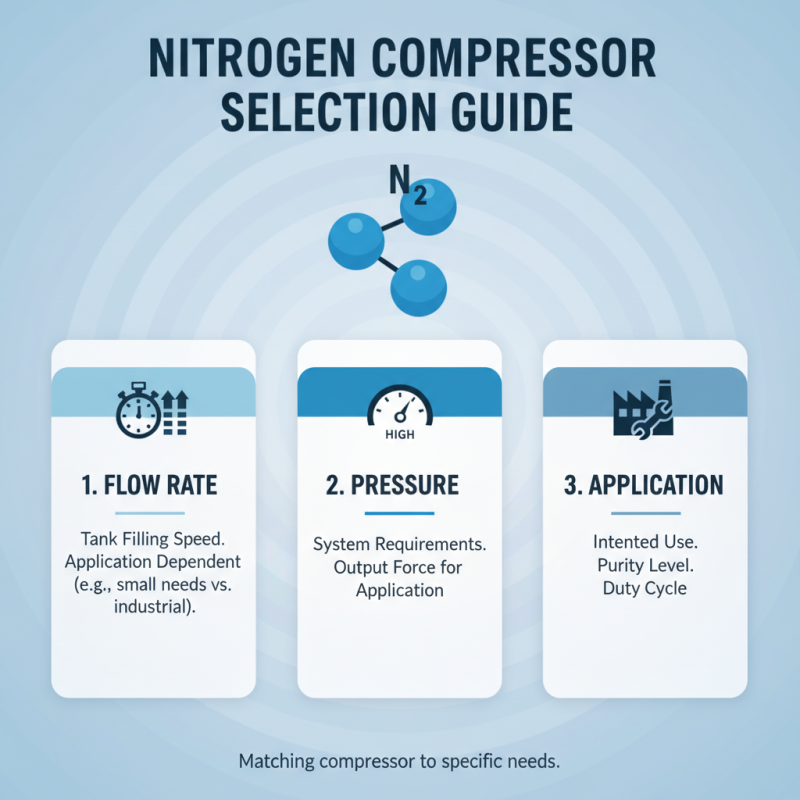
Choosing the right nitrogen compressor requires careful consideration of several factors. First, identify the required flow rate and pressure. This will depend on the application you plan to use the compressor for. A higher flow rate allows for quicker filling of tanks but may not be necessary for smaller needs. Assessing your specific requirements helps to narrow down options.

Energy efficiency is another critical aspect. Compressors can consume significant electricity. An efficient model may have a higher initial cost but can lead to long-term savings. Look into noise levels as well. Some compressors operate quietly, which is beneficial in noise-sensitive environments.

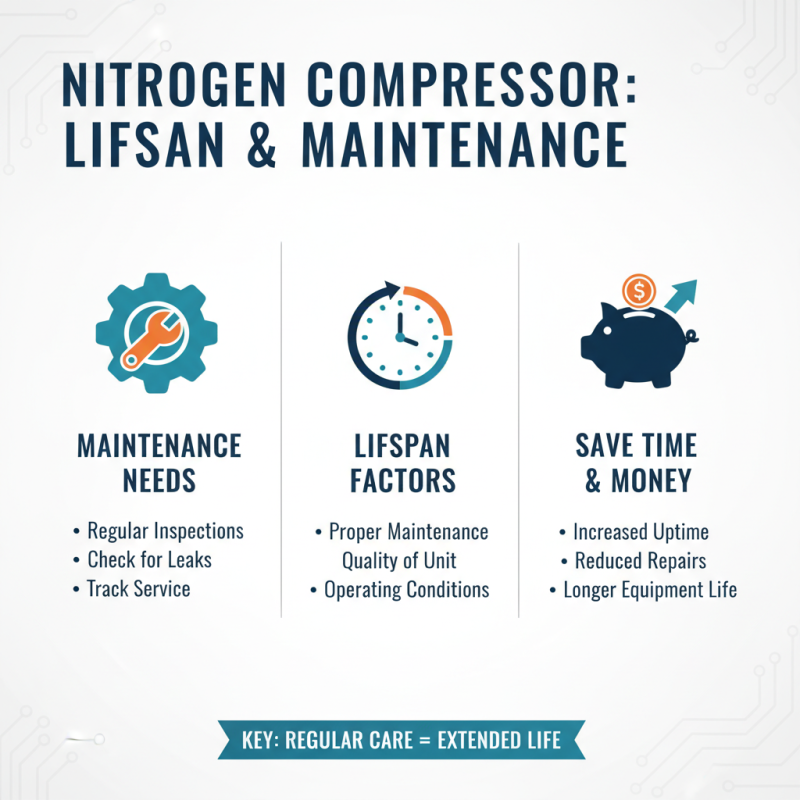
Maintenance is vital as well. Regular upkeep ensures reliability and longevity. Some models may be easier to maintain than others. Consider the availability of service and replacement parts in your area. A reliable compressor that is easy to service will save you time and money. Don't overlook these details; they lead to improved operational efficiency.
Understanding the Different Types of Nitrogen Compressors

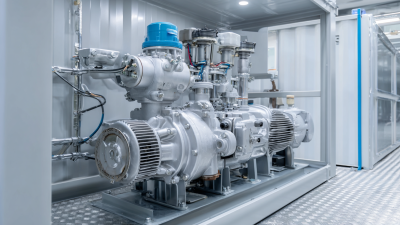
Choosing the right nitrogen compressor starts with understanding the different types available. There are typically three main types: reciprocating, rotary screw, and centrifugal compressors. Reciprocating compressors are known for their efficiency and high-pressure capabilities. They work well for smaller operations requiring precise nitrogen output.

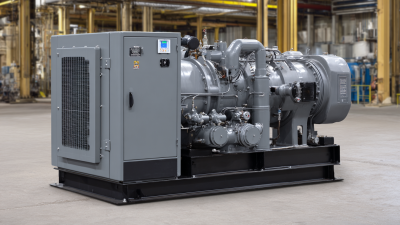
Rotary screw compressors are ideal for larger applications. They offer continuous operation and a steady nitrogen supply. These compressors tend to run quieter and require less maintenance over time.

Centrifugal compressors are suitable for very high volume applications. They excel in industrial settings due to their ability to handle large amounts of gas at lower pressures.

Tips: Carefully assess your needs. Consider the required flow rate and pressure. Does your operation need continuous supply or periodic bursts of nitrogen? Make the choice based on your volume and usage patterns.

Evaluate energy costs associated with each type, as they can vary significantly. Don’t overlook the maintenance aspect; some compressors demand more attention than others. Make the best decision by weighing all these factors.

Analyzing Flow Rate Requirements for Your Specific Application

When choosing a nitrogen compressor, understanding flow rate requirements is crucial. Applications can vary widely, from food packaging to pharmaceuticals. Each application demands different flow rates, which directly impact the compressor's efficiency and performance. Too low a flow rate can lead to inefficiencies, while too high can waste energy and resources.

Start by assessing your specific needs. Calculate the total nitrogen consumption in your application. This may require studying historical data or conducting pilot studies. For instance, a food processing facility might need a stable output of 500 cubic feet per hour. In contrast, a laboratory may only require a burst of 10 cubic feet for short tasks.

Consider peak usage times. A compressor that performs well under average conditions may struggle during high demand. Many businesses overlook this aspect. They choose based on general specs rather than their unique usage pattern. Monitoring real-time needs can provide a clearer picture. Adapting your choice based on these insights ensures reliability and efficiency in your operations.

Evaluating Efficiency Ratings and Operating Costs of Compressors

When selecting a nitrogen compressor, understanding efficiency ratings and operating costs is essential. Efficiency ratings indicate how well a compressor converts electrical energy into usable pressure. Typically measured in kW/m³, higher efficiency means lower operating costs. Data from the International Energy Agency suggests that improving efficiency by just 10% can reduce energy consumption significantly, leading to substantial financial savings.

Operating costs encompass more than just energy use. Maintenance, downtime, and repair expenses should also be factored in. A study by the Department of Energy states that maintenance can represent up to 30% of the total lifecycle costs of a compressor. Choosing a machine with a reliable history can minimize these costs. Customers often overlook this aspect, resulting in unexpected expenses over time.

Tips: Always review service histories before purchasing. Look for compressors with lower vibration profiles; they tend to have longer lifespans. Seek out operational data from existing users to gauge real-world efficiency. Balancing upfront costs with long-term savings is critical.

Assessing Maintenance Needs and Lifespan of Nitrogen Compressors

How to Choose the Right Nitrogen Compressor for Your Needs?

When choosing a nitrogen compressor, maintenance needs and its lifespan are crucial factors. Understanding these can save you time and money. A well-maintained compressor lasts longer. Regular inspections are key to identifying potential issues. Look for signs of wear and tear. A small leak can escalate into a big problem. Keeping a maintenance log helps track service intervals.

Different compressors have varying maintenance requirements. Some have more accessible parts for easy repairs. Others may require specialized knowledge for servicing. It's wise to consider the skill level of your team. If expertise is lacking, factor in the cost of professional maintenance. Regular cleaning of filters is a simple task but often overlooked. It significantly affects performance.

Lifespan varies based on usage and environment. Compressors in harsh conditions may wear out faster. Pay attention to the operating hours. Frequent use leads to greater strain on the system. A warranty can provide peace of mind, but it's not a substitute for regular care. Neglecting maintenance not only shortens lifespan but can also lead to costly breakdowns.

Members of