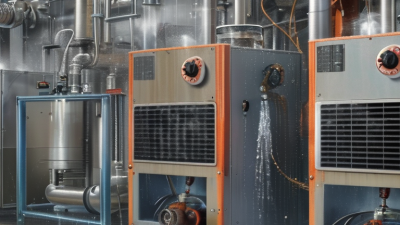
2026 Best Air Compressor Air Dryer How to Choose?
Choosing the 2026 best air compressor air dryer is not simply a matter of buying the newest model. Dry air protects pneumatic tools, control valves, paint finishes, and production lines from rust, freezing, and costly downtime. A compressor may deliver impressive pressure, yet its outlet air can still carry warm vapor and liquid water. Moisture is unforgiving.
This guide explains how to match dryer technology with real operating conditions. Refrigerated dryers often suit general workshops and factory air systems. Desiccant dryers provide lower pressure dew points for sensitive instruments, outdoor piping, and demanding processes. Membrane dryers may help where space, quiet operation, or low maintenance matters. The correct choice depends on flow rate, inlet temperature, working pressure, ambient climate, and required air quality.
A practical evaluation should compare actual cubic feet per minute, not only horsepower. Check pressure drop, drainage design, energy use, noise, service access, and replacement parts. ISO 8573-1 classifications can clarify the cleanliness level needed for your application. Manufacturer test data is useful, but installation conditions can change performance significantly. A dryer rated for 100 CFM may struggle when summer air enters hot and heavily saturated.
Small details matter. A blocked drain can flood downstream filters within hours. Poor ventilation can reduce cooling efficiency. Oversizing is not always wasteful, but it may increase purchase and operating costs. Undersizing is worse. This guide weighs performance, reliability, maintenance, and total ownership cost, while acknowledging an uncomfortable truth: there is no universal “best” dryer. The dependable choice is the one that fits your air demand today and leaves sensible room for tomorrow.
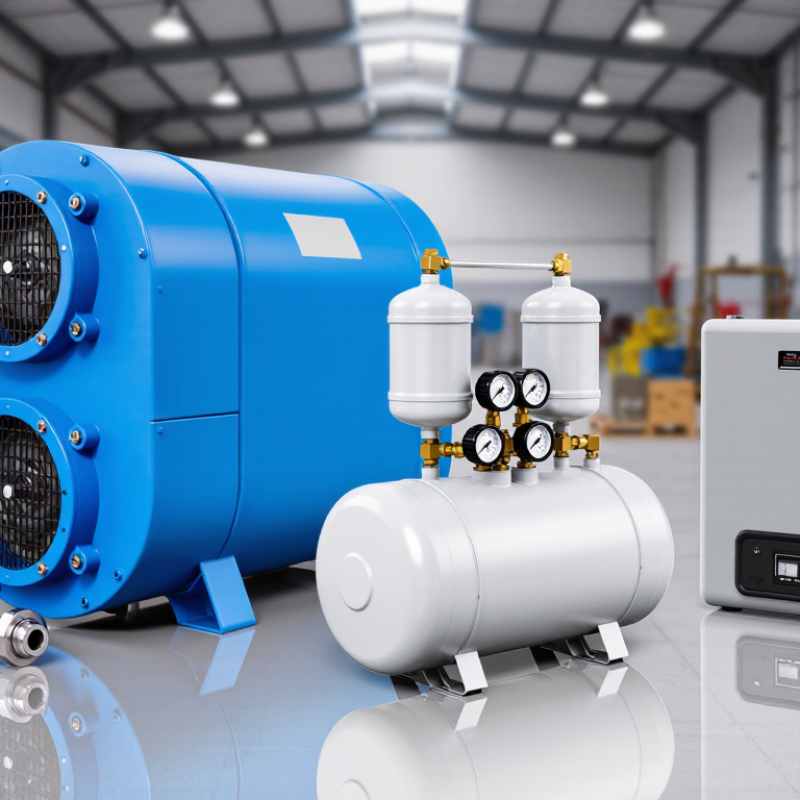
What Is an Air Compressor Air Dryer and Why Is It Needed?
An air compressor air dryer removes water vapor from compressed air. Compression squeezes atmospheric moisture into a smaller space. After cooling, that vapor becomes liquid inside pipes, tanks, and tools. An aftercooler removes much of the liquid, but it cannot remove all remaining vapor. The dryer handles that hidden moisture.
Moist air causes rust, blocked valves, frozen lines, and unstable pneumatic controls. It can also damage paint, packaging, and sensitive instruments. ISO 8573-1:2010 classifies compressed-air purity by particles, water, and oil, including pressure dew point requirements. The correct dryer depends on the lowest operating temperature, required air quality, flow rate, and pressure. A workshop may need a refrigerated dryer. A cold outdoor line or critical process may require a desiccant dryer.
Energy use deserves attention. The U.S. Department of Energy reports that compressed air can consume 10–15% of industrial electricity, while leaks may waste 20–30% of compressor output. A poorly selected dryer adds unnecessary pressure drop and heat. That increases compressor workload. Small details matter. Check the real flow, not only the compressor’s nameplate. Oversizing seems safe, but it can increase purchase and operating costs. Undersizing is worse. It may leave water in the line when demand suddenly rises. Manufacturers’ charts help, yet field conditions are often messier than the specification sheet.
2026 Best Air Compressor Air Dryer How to Choose? - What Is an Air Compressor Air Dryer and Why Is It Needed?
| Air Dryer Type |
How It Removes Moisture |
Typical Pressure Dew Point |
Typical Energy Requirement |
Common Pressure Range |
Suitable Applications |
Main Selection Considerations |
| Refrigerated Dryer |
Cools compressed air so water vapor condenses and can be drained. |
Approximately +3°C to +10°C
(+37°F to +50°F) |
Low to moderate; requires electrical power for refrigeration. |
Commonly up to about 16 bar(g) |
General manufacturing, workshops, pneumatic tools, instrumentation without very low dew-point requirements. |
Required flow, inlet temperature, ambient temperature, cooling method, pressure loss, and drain reliability. |
| Heatless Desiccant Dryer |
Adsorbs moisture with a desiccant bed; a portion of dry compressed air regenerates the offline bed. |
Approximately −40°C
(−40°F); lower levels may be available |
High air consumption during regeneration; little or no heater power. |
Commonly up to about 16 bar(g) |
Outdoor piping, low-temperature environments, pharmaceutical processes, electronics, and critical instrumentation. |
Purge-air loss, desiccant life, inlet moisture load, filtration, operating cost, and required dew point. |
| Heated Desiccant Dryer |
Uses heated atmospheric air or heated purge air to regenerate the desiccant. |
Approximately −40°C to −70°C
(−40°F to −94°F) |
Moderate electrical or thermal energy; generally less purge-air loss than heatless designs. |
Commonly up to about 16 bar(g) |
Continuous-duty systems requiring dry air with reduced regeneration air consumption. |
Available heat source, regeneration cycle, installation space, control method, and total energy cost. |
| Membrane Dryer |
A selective membrane allows water vapor to permeate while retaining most compressed air. |
Approximately −20°C to −40°C
(−4°F to −40°F) |
No electrical power; uses a controlled percentage of compressed air as purge. |
Often used from about 5 to 16 bar(g) |
Point-of-use protection, remote installations, small flow rates, and applications with limited maintenance access. |
Available pressure, required flow, purge-air percentage, membrane contamination, and replacement cost. |
| Deliquescent Dryer |
A hygroscopic tablet or granular material absorbs moisture and gradually dissolves. |
Typically about +10°C to +15°C
(+50°F to +59°F) |
No electrical power; requires periodic replacement of absorbent material. |
Application-dependent; often used at moderate pressures |
Temporary installations, outdoor construction equipment, and applications with basic moisture control needs. |
Ambient temperature, chemical handling, disposal requirements, consumable cost, and acceptable dew point. |
Key Selection Data
| Required Air Flow |
Size the dryer for the actual flow at the specified inlet pressure and temperature, with an appropriate allowance for future demand. |
| Pressure Dew Point |
Choose the lowest dew point required by the coldest point in the distribution system or by the most sensitive end-use equipment. |
| Inlet Conditions |
Check inlet air temperature, ambient temperature, operating pressure, humidity, and compressor aftercooler performance. |
| Filtration |
Install suitable pre-filters and after-filters when required to protect the dryer, downstream equipment, and product quality. |
| Drainage |
Use reliable automatic drains and provide safe condensate management to prevent liquid water from returning to the air system. |
| Lifecycle Cost |
Compare purchase price, electricity, purge-air loss, desiccant or absorbent replacement, maintenance, pressure drop, and downtime risk. |
Note: Values are typical design ranges. Actual performance depends on operating conditions, dryer configuration, installation quality, and the applicable product standard.
How Different Air Dryer Technologies Remove Moisture
2026 Best Air Compressor Air Dryer: How to Choose?
Different air dryer technologies remove moisture in different ways. Refrigerated dryers cool compressed air near 3°C pressure dew point. Water condenses and drains away. They suit general factory air, tools, and pneumatic controls. Desiccant dryers use adsorption. Their drying towers can reach around -40°C pressure dew point, supporting outdoor lines, instrumentation, and freezing conditions. Membrane dryers remove vapor through selective permeation. They are compact, but usually handle lower flow rates and require careful air-quality control.
The U.S. Department of Energy reports that compressed air can consume 10–15% of industrial electricity. Its industry sourcebook also states that leaks may waste 20–30% of compressor output. Moisture increases this waste indirectly. It causes corrosion, clogged valves, rejected products, and unplanned maintenance. ISO 8573-1 helps specify particle, water, and oil purity classes, rather than choosing a dryer by temperature alone. Check inlet temperature, flow, operating pressure, ambient conditions, and the required pressure dew point. A dryer rated for average flow may fail during production peaks. That mistake is common. Drain performance also deserves attention. A poor drain can return liquid water into the system. In my view, energy use should be reviewed beside dryness, because an oversized desiccant dryer may deliver excellent air while quietly consuming more purge air than expected.
2026 Best Air Compressor Air Dryer: How to Choose?
How Different Air Dryer Technologies Remove Moisture
Pressure dew point indicates how dry the compressed air becomes: the lower the value, the less moisture remains. Aftercoolers provide basic cooling and condensation control, refrigerated dryers commonly deliver approximately +3°C, membrane dryers can reach about −20°C to −40°C, and desiccant dryers are typically selected when very dry air of approximately −40°C or lower is required. Actual performance depends on inlet temperature, pressure, flow rate, ambient conditions, and system design.
How to Match Dryer Capacity With Your Compressor System
2026 Best Air Compressor Air Dryer: How to Choose?
Matching dryer capacity with your compressor system requires more than comparing horsepower. Start with the compressor’s actual air delivery, measured in cubic feet per minute, not motor size. Add the flow from every compressor that may run at the same time. Then allow room for peak demand and future expansion.
Check the dryer’s rated conditions carefully. High inlet temperature, low operating pressure, and warm surroundings can reduce its effective capacity. A dryer rated for 100 CFM may deliver less under harsh conditions. Select a model with enough margin, often 15% to 25%, after applying the manufacturer’s correction factors. Pressure drop matters too. A small dryer can restrict tools, create unstable production, and waste energy.
Tips: Measure real plant demand during the busiest shift. Record inlet temperature, pressure, and pressure dew point. Confirm the dryer can handle compressor cycling and short demand spikes. Install suitable filtration before the dryer, because liquid water and oil can damage internal components. Technicians often find that the advertised flow looks generous on paper. Field conditions tell a different story. A spreadsheet can still mislead. Recheck the calculation after seasonal temperature changes or equipment upgrades. Oversizing is not always harmless; it may increase purchase cost and reduce efficiency during light loads. The better choice balances capacity, air quality, pressure loss, and operating conditions.
Which Air Dryer Features Matter for Your Application?
Choosing an air dryer starts with the application, not the catalog headline.
In workshop testing, moisture problems often appeared after long pipe runs, even when the compressor room looked dry. Check the required pressure dew point first. General pneumatic tools may tolerate a higher dew point, while paint systems, instruments, and outdoor lines usually need drier air. Ambient temperature matters too. A dryer sized for a cool room may struggle beside a hot compressor.
Match the dryer to actual airflow, not the compressor’s maximum nameplate output.
Consider peak demand, operating pressure, and future expansion. Oversizing can increase purchase and energy costs, while undersizing causes pressure drops and wet air. It sounds obvious. It is often missed. Refrigerated dryers suit many plant applications, but desiccant dryers may be necessary for very low dew points. Confirm performance at your real inlet temperature.
Useful features include automatic drains, accessible filters, clear dew-point monitoring, and simple service access.
A drain that sticks open can waste compressed air continuously. A drain that fails closed can send water downstream. Ask how easily technicians can inspect it during a busy shift. Noise and heat rejection also deserve attention in small rooms. I have seen installations fail because maintenance space was ignored. The specification looked correct, but the installation was not. For reliable selection, compare measured operating conditions with independent performance data, service intervals, and documented test methods.
How to Compare, Install, and Maintain an Air Compressor Dryer
Choosing the best air compressor dryer in 2026 starts with the required pressure dew point, airflow, and operating environment. A refrigerated dryer suits general workshops and removes moisture by cooling compressed air. A desiccant dryer reaches a much lower dew point for sensitive instruments, outdoor lines, or cold conditions. Compare capacity at actual inlet temperature, pressure, and flow, not only the advertised rating. A small pressure drop can affect tools and production speed. Small details matter.
Installation needs clean planning. Place the dryer after the receiver tank, with enough space for ventilation and service access. Install correctly sized inlet and outlet pipes, isolation valves, a bypass line, and an automatic drain. Keep the floor level and route condensate safely. Check airflow direction before opening the valves. I once saw a new dryer underperform because hot air entered beyond its rated temperature. The unit was not defective; the installation was.
Maintenance should include drain testing, filter inspection, condenser cleaning, and dew point checks. Clean dust from air-cooled surfaces before it forms a thick grey layer. Replace filter elements when pressure loss increases, and renew desiccant according to measured performance rather than habit. Record pressure, temperature, dew point, and service dates. It looked clean. That was misleading. A neglected drain can send liquid water downstream, even when the dryer appears normal. Leave room for inspection, because rushed maintenance often creates the next failure.