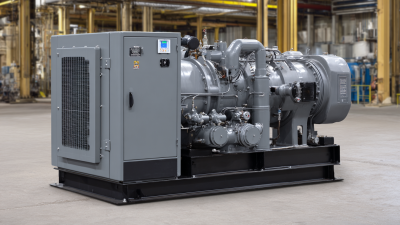
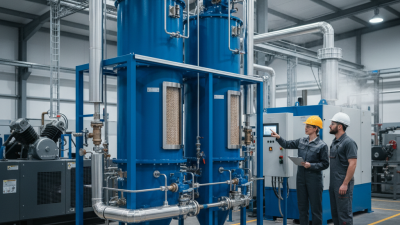
An air dryer removes unwanted moisture from compressed air before that air reaches tools, machines, or production lines. Moisture can appear as droplets inside a receiver tank, a rusty stain near a pipe joint, or a sudden failure in a pneumatic valve. In a busy workshop, this problem may seem minor at first. It rarely stays minor.
The air dryer works by lowering moisture content through cooling, adsorption, or both. A refrigerated model cools compressed air until water condenses and drains away. A desiccant model passes air through drying material that attracts water vapor. Each design suits different pressure dew point requirements. Selection depends on airflow, operating pressure, ambient temperature, and the sensitivity of connected equipment. A small workshop may need a simple refrigerated unit. A pharmaceutical or electronics facility often requires much drier air and stricter monitoring.
This guide explains what an air dryer does, how its internal process works, and where each common type performs best. It also considers filters, automatic drains, energy use, and routine maintenance. A blocked drain can quietly return water to the system. That detail is easy to miss. Reliable results require checking manufacturer data and applying relevant compressed-air quality guidance, such as ISO 8573-1. Still, real installations are not always perfect. Undersized piping, heat, poor ventilation, or neglected filters can reduce performance. Understanding these practical limits helps users choose equipment with confidence and avoid treating every moisture problem as a dryer problem.
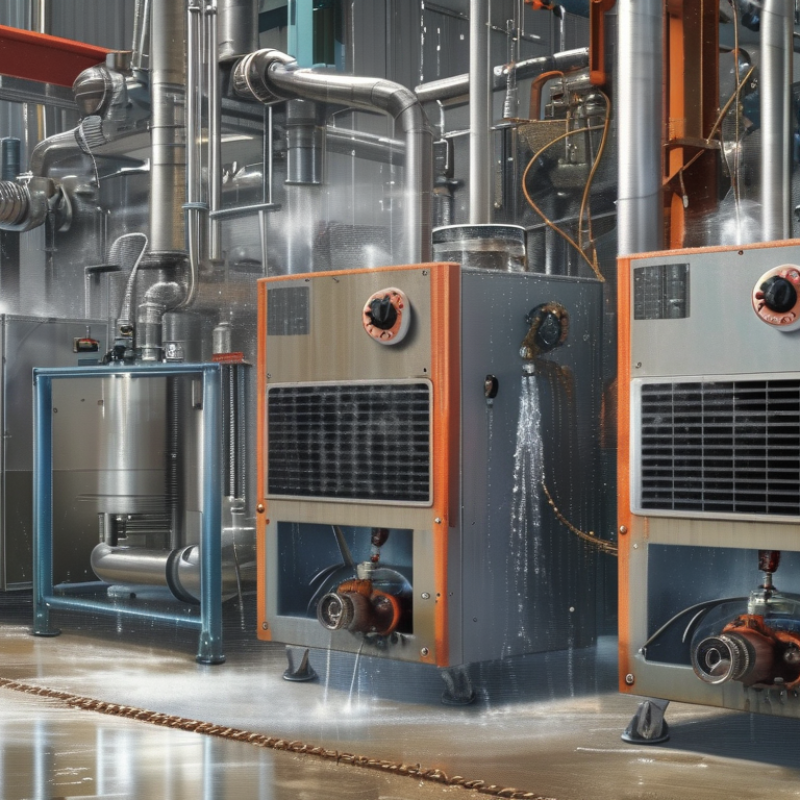
An air dryer is a device that removes water vapor from compressed air. Compressing air increases its pressure and temperature, causing moisture to collect inside the system. Without proper drying, droplets may reach valves, tools, and production equipment. Rust, frozen lines, and inconsistent performance can follow.
Most air dryers cool compressed air until moisture condenses. A separator then removes the liquid water, while a drain carries it away. Refrigerated dryers use this method and suit many general workshops. Desiccant dryers pass air through moisture-absorbing material, producing much drier air for sensitive instruments or low-temperature environments. Membrane dryers use special fibers to separate water vapor from the air stream.
The right choice depends on pressure, flow rate, air temperature, and the required dew point. I have found that installation details matter almost as much as the dryer itself. A blocked drain can leave water in the pipe, even when the dryer is correctly sized. Filters also need regular inspection. Small leaks deserve attention.
No dryer removes every risk. Poor maintenance, sudden temperature changes, or undersized equipment can still create moisture problems. Checking the air lines after installation provides useful evidence. A clean, dry outlet is reassuring, but it should not replace scheduled testing and service records.
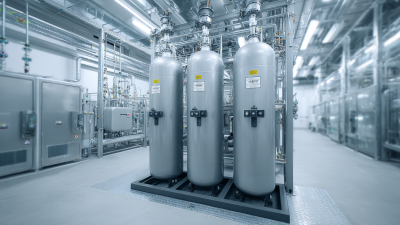
What Is an Air Dryer and How Does It Work?
Why Compressed Air Needs Moisture Removal
Compressed air leaves the compressor hot, carrying water vapor from the surrounding air. As it travels through cool pipes, the vapor condenses into liquid water. You may see droplets collecting inside a filter bowl or hear them discharge from an automatic drain. This moisture can rust piping, wash lubricant from moving parts, and freeze inside outdoor lines. Small amounts still matter.
An air dryer removes this moisture before it reaches tools and equipment. Refrigerated dryers cool compressed air until water condenses, then separate and drain it. Desiccant dryers pass air through a moisture-absorbing material and produce a much lower dew point. The correct choice depends on temperature, pressure, airflow, and the required air quality. A workshop tool usually needs less protection than a laboratory instrument.
In practice, moisture problems are not always caused by the dryer. Blocked drains, undersized piping, excessive heat, and poor maintenance can also leave water downstream. Check the drain regularly. Watch the pressure dew point, especially during seasonal temperature changes. No system is perfect. I have seen operators replace a dryer when a failed drain was the real cause. That mistake costs time and hides the underlying issue. A reliable setup combines proper sizing, filtration, drainage, and routine inspection.
An air dryer removes water from compressed air before moisture reaches tools, valves, and storage tanks. Compression raises air temperature, but cooling later turns vapor into liquid droplets. The dryer separates this water through cooling, coalescing, or adsorption. In a refrigerated dryer, a heat exchanger cools the air near its pressure dew point. A separator then slows the airflow, allowing droplets to fall into an automatic drain. The drain must open reliably. Otherwise, collected water can return to the air line.
Desiccant dryers use moisture-attracting material instead. Wet compressed air passes through a drying bed, while another bed regenerates with purge air or external heat. This method can achieve much lower pressure dew points, which suits instruments and processes sensitive to freezing or corrosion. ISO 8573-1 classifies compressed-air purity by particles, water, and oil, helping engineers define the required dryness rather than over-drying every system. The U.S. Department of Energy reports that compressed-air systems can consume about 10% of industrial electricity. It also notes that leaks may waste 20–30% of compressor output, making unnecessary purge losses especially important.
A practical inspection starts at the drain. Check for standing water, warm outlet air, and unstable pressure dew point readings. The separator is not a complete solution. Poor pipe slope, undersized drains, and sudden temperature changes can defeat a correctly selected dryer. I once assumed colder air always meant drier air; that was wrong. Cooling creates liquid water unless separation follows immediately. Performance reports should record inlet temperature, pressure, flow, dew point, and drain activity. Missing data can make a healthy dryer appear faulty.
How an Air Dryer Separates Water from Air
| Air Dryer Type | How Water Is Removed | Typical Outlet Pressure Dew Point | Typical Operating Principle | Main Advantages | Important Considerations |
|---|---|---|---|---|---|
| Refrigerated Dryer | Compressed air is cooled to condense water vapor into liquid water, which is then collected and discharged by a drain. | Approximately +3°C to +10°C (+37°F to +50°F) | Heat exchanger cooling followed by moisture separation. | Energy-efficient for general plant air; comparatively low operating cost; suitable for many pneumatic tools and control systems. | Not suitable where compressed air may be exposed to freezing temperatures or where very dry air is required. |
| Desiccant Dryer | A solid desiccant adsorbs water vapor from the compressed air. The desiccant is periodically regenerated by removing the stored moisture. | Approximately −20°C to −70°C (−4°F to −94°F) | Adsorption in one desiccant vessel while a second vessel is regenerated, depending on the design. | Produces very dry air; suitable for low-temperature environments, instrumentation, pharmaceuticals, and critical manufacturing processes. | Higher purchase and operating costs; desiccant requires maintenance and may be damaged by oil or liquid-water carryover. |
| Membrane Dryer | Water vapor permeates through specialized hollow-fiber membranes faster than most of the compressed air, leaving drier air behind. | Commonly about −20°C to −40°C (−4°F to −40°F) | Selective vapor permeation driven by a difference in water-vapor partial pressure. | Compact, quiet, has no moving parts, and requires little maintenance. | Uses a portion of dried compressed air for purging; capacity is generally more limited than that of large refrigerated or desiccant systems. |
| Deliquescent Dryer | A hygroscopic chemical tablet absorbs water vapor and gradually dissolves into a liquid solution that is drained away. | Typically about 10°C to 15°C (18°F to 27°F) below inlet air temperature | Chemical absorption using a moisture-attracting material. | Simple construction, no electrical power requirement, and useful for remote or temporary applications. | Drying performance changes as the chemical is consumed; the absorbent must be replenished and may leave corrosive residue if not managed correctly. |
| Centrifugal Moisture Separator | A circular airflow creates centrifugal force that separates bulk liquid droplets from the air stream, allowing them to fall into a drain area. | Does not significantly lower vapor dew point | Mechanical separation of liquid water after cooling or during condensation. | Low pressure drop, no consumable media, and effective for removing bulk liquid water. | Cannot remove most water vapor; commonly used upstream of a refrigerated or desiccant dryer as a pre-separator. |
Key principle: Compressed air can hold more water vapor at higher temperatures. When the air is cooled, excess vapor condenses into liquid water. An air dryer removes this moisture by cooling and draining it, adsorbing it with a desiccant, permeating it through a membrane, or absorbing it chemically. Actual performance depends on inlet temperature, pressure, flow rate, ambient conditions, and pre-filtration.
Compressed air contains water vapor from the intake air and compression process. As the air cools inside pipes, this vapor can become liquid water. An air dryer removes much of that moisture before it reaches tools, valves, or production equipment. The correct type depends on pressure, temperature, flow, and the required pressure dew point.
Refrigerated air dryers cool compressed air through a heat exchanger. The moisture condenses, separates, and drains away. They commonly provide a pressure dew point near 3°C to 7°C. This suits workshops, pneumatic tools, and general factory air. They use moderate energy, but they may struggle in freezing environments. The drain also needs regular inspection.
Desiccant dryers pass air through moisture-absorbing material. Heatless models use a portion of dried air for regeneration, while heated models use external heat and usually waste less compressed air. They can reach much lower dew points, often below -20°C. Membrane dryers use selective fibers to remove water vapor, with no moving parts. They are compact and useful at lower flow rates, though purge-air loss can reduce efficiency. Deliquescent dryers use moisture-absorbing tablets, but their performance changes as the material dissolves. No dryer is universally best. A costly mistake is choosing by pressure alone; flow variation and real operating temperature matter just as much.
What Is an Air Dryer and How Does It Work?
An air dryer removes moisture from compressed air before that air reaches tools or production equipment. A compressor heats and condenses humid air inside the system. The dryer then cools, filters, or absorbs this water, depending on its design. Dry air helps prevent rust, frozen lines, blocked valves, and damaged pneumatic tools.
How to Choose and Maintain an Air Dryer
Choose a dryer according to airflow, pressure, ambient temperature, and the required dew point. A workshop may need less drying performance than a pharmaceutical or food-processing facility. Check the compressor’s actual output, not only its advertised capacity. Undersizing can cause wet air and frequent pressure problems. Oversizing wastes energy and may increase purchase and service costs.
Maintenance starts with regular inspection. Drain moisture from filters and receivers. Clean condenser surfaces when dust builds up. Check automatic drains for clogging. Replace filter elements according to pressure drop, operating hours, or the manufacturer’s instructions. I once ignored a small drain leak, and moisture slowly returned to the air lines. It seemed minor. It was not. Keep a simple service log, even if the schedule feels unnecessary.
Tips: Install the dryer in a clean, ventilated area. Leave space around it. Inspect air hoses for cracks and loose fittings. Test the outlet air during humid weather. A cheap moisture check can reveal an expensive problem. Do not rely on sound alone; a quiet dryer may still be performing poorly.
Please share your email with us to see your results.