Top 10 Air Dryers for Compressor Use You Must Consider?

When it comes to optimizing compressed air systems, selecting the right air dryer for compressor usage is crucial. The U.S. Department of Energy estimates that inefficient air systems can cost businesses up to 30% more in energy consumption. Air dryers remove moisture from compressed air, preventing damage and ensuring the longevity of equipment. Choosing an optimal air dryer can effectively reduce maintenance costs and enhance productivity.

A recent industry report highlights that approximately 70% of air compressor breakdowns are linked to moisture-related issues. This statistic underlines the importance of implementing reliable air dryers in industrial settings. However, with a myriad of options available, it can be challenging to identify the best air dryer for compressor applications.

Ultimately, understanding specific needs and evaluating different models is essential. Each type of air dryer offers unique benefits and potential drawbacks. Therefore, it is valuable to consider both efficiency and reliability when making a decision. In the end, finding the right air dryer for compressor use not only protects your equipment but can also lead to significant cost savings and improved operational efficiency.
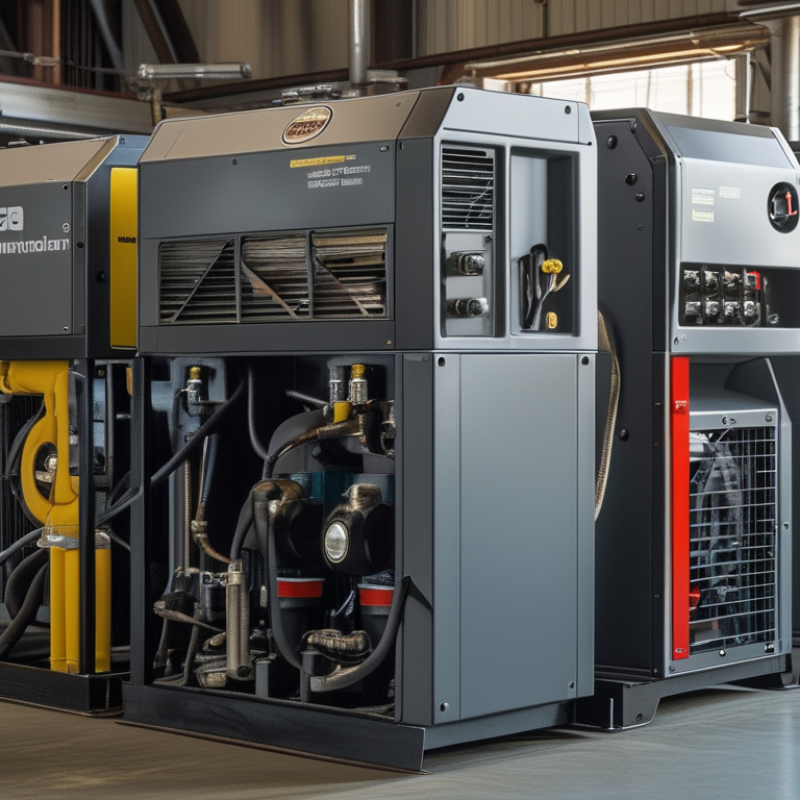
Top 10 Air Dryers for Compressor Use You Must Consider?

Overview of Air Dryers for Compressor Use

Air dryers designed for compressor use are essential for maintaining optimal performance. They remove moisture from the air, preventing damage to equipment and ensuring efficient operation. These devices come in various types, including refrigerant, desiccant, and membrane dryers. Each type has unique features suitable for different applications.

When selecting an air dryer, consider the environment and purpose of use. In humid conditions, a desiccant dryer is often more effective. On the other hand, a refrigerant dryer can be more cost-effective for general use. Assess the drying capacity required for your specific applications. This understanding will guide you in making an informed choice.

Tips: Regular maintenance is key to ensuring longevity. Check for clogs and replace filters as needed. Monitor the dew point, as it can indicate dryer performance. If the system doesn’t appear to be operating effectively, don’t hesitate to reassess your choice. Sometimes an underperforming dryer may not suit your specific needs, leading to inefficiencies.

Always remember, not all dryers fit every situation perfectly. Consider both the initial investment and long-term costs when deciding. An air dryer that's too small may lead to increased wear on your machinery. Be cautious and choose wisely to avoid costly replacements down the line.

Top 10 Air Dryers for Compressor Use You Must Consider

Model Type Cooling Method Max Flow Rate (CFM) Operating Pressure (psi) Drain Type Price Range
Model A Refrigerated Air-Cooled 30 120 Automatic $500 - $600
Model B Desiccant Heatless 20 100 Manual $300 - $400
Model C Refrigerated Water-Cooled 25 115 Automatic $700 - $800
Model D Desiccant Heated 15 90 Automatic $400 - $500
Model E Refrigerated Air-Cooled 35 125 Automatic $600 - $700
Model F Desiccant Heatless 10 80 Manual $200 - $300
Model G Refrigerated Water-Cooled 50 130 Automatic $900 - $1000
Model H Desiccant Heated 40 110 Automatic $600 - $700
Model I Refrigerated Air-Cooled 60 140 Automatic $800 - $900
Model J Desiccant Heatless 5 70 Manual $150 - $250

Key Benefits of Utilizing Air Dryers in Compressed Air Systems

Air dryers play a crucial role in compressed air systems. They remove moisture from the air, which can otherwise cause a variety of issues. Excess moisture can lead to corrosion of tools and machinery. This wear and tear can be costly. It often results in unplanned downtime and repairs. Thus, investing in an effective air dryer is essential for any operation relying on compressed air.

Utilizing air dryers also improves energy efficiency. When air is dry, compressors do not have to work as hard. This can lead to significant energy savings over time. Moreover, air dryers help in maintaining consistent pressure in the system. Fluctuating pressure can affect performance and productivity. It's worth noting that every system may have different requirements. What works for one may not suit another. Proper assessment is key to choosing the right type.

Types of Air Dryers: Desiccant, Refrigerated, and Membrane

Air dryers are essential for removing moisture from compressed air. Three main types of air dryers exist: desiccant, refrigerated, and membrane. Each serves a unique purpose with distinct advantages.

Desiccant dryers utilize moisture-absorbing materials. They excel in low-humidity environments. However, they require drying and reactivation cycles. This can increase maintenance complexity. Users may find fluctuation in air quality, especially during reactivation.

Refrigerated dryers chill the compressed air, condensing moisture. They offer consistent dew point control, making them suitable for moderate humidity. Yet, they may not perform well in extreme conditions. Energy consumption can also be a concern during peak usage.

Membrane dryers leverage selective permeability to separate moisture. They are compact and offer a lightweight solution. However, their capacity can be limited, making them less suitable for large operations. This can lead to inefficiencies in demanding applications. Choosing the right type involves weighing these factors carefully.

Factors to Consider When Choosing an Air Dryer for Your Needs

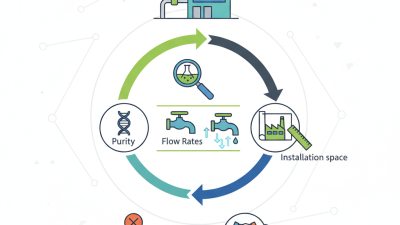
Choosing the right air dryer for compressor use can greatly impact your operations. Start with the type of air dryer. There are various types such as refrigerated, desiccant, and membrane dryers. Each has its benefits, depending on your needs. Refrigerated dryers cool the air and condense moisture effectively. On the other hand, desiccant dryers absorb moisture and are suitable for areas with low temperatures.

Next, consider the airflow rate. This is crucial as it directly affects performance. Ensure the dryer can handle the maximum airflow your compressor produces. Additionally, evaluate the energy efficiency of the unit. High-efficiency models may have a higher initial cost but can save money over time.

Think about maintenance requirements too. Some dryers need regular checks and part replacements. Look for units that offer clear information on maintenance schedules. Always keep an eye on noise levels. In quieter work environments, a noisy dryer can be a significant inconvenience. Lastly, check the warranties and customer support offered. Reliable support is essential for swift resolutions to issues, making your choice more secure.

Top 10 Air Dryers for Compressor Use

Top 10 Air Dryers for Compressor Use: Features and Comparisons

When choosing an air dryer for compressor use, understanding the features is essential. Efficiency is key. A good dryer will reduce moisture effectively, protecting your tools. Look for models with high flow rates for seamless operation. Consider noise levels too. A quieter unit makes for a better work environment.

Another critical aspect is maintenance. Some dryers require frequent servicing, while others are more user-friendly. It’s vital to assess how often you can commit to maintenance. Durability matters as well. Units made from robust materials will withstand demanding conditions.

Cost is always a factor. Higher-priced models may offer advanced features but consider what you truly need. Sometimes, a simpler option suffices. Assessing the scale of your projects can help you avoid overspending. You might find that a basic model meets all your requirements without unnecessary extras. In your evaluation, reflect on your specific needs to make the best choice.

Members of