When venturing into the world of Wireline Logging Cable, buyers must tread carefully. Experts emphasize the complexity and significance of selecting the right type. Mike Johnson, a respected authority in the industry, states, "Quality wireline logging cables are vital for ensuring accurate data collection." His insights highlight the crucial role these cables play in energy exploration.
Understanding the specifications of Wireline Logging Cable can be daunting. Buyers often struggle with compatibility, durability, and performance metrics. Different applications require distinct cable characteristics. For example, some projects demand cables that withstand extreme temperatures or corrosive environments. These details matter greatly and influence the overall efficiency of data retrieval.
Reflecting on the market, it's evident that not all suppliers maintain the same standards. Some may offer lower prices, but their products could compromise quality. Buyers must evaluate potential partners carefully. Relying solely on brand reputation can lead to oversights. A detailed understanding of wireline logging cable features is essential for making informed purchasing decisions. It is a challenging but necessary journey for anyone involved in this critical sector.
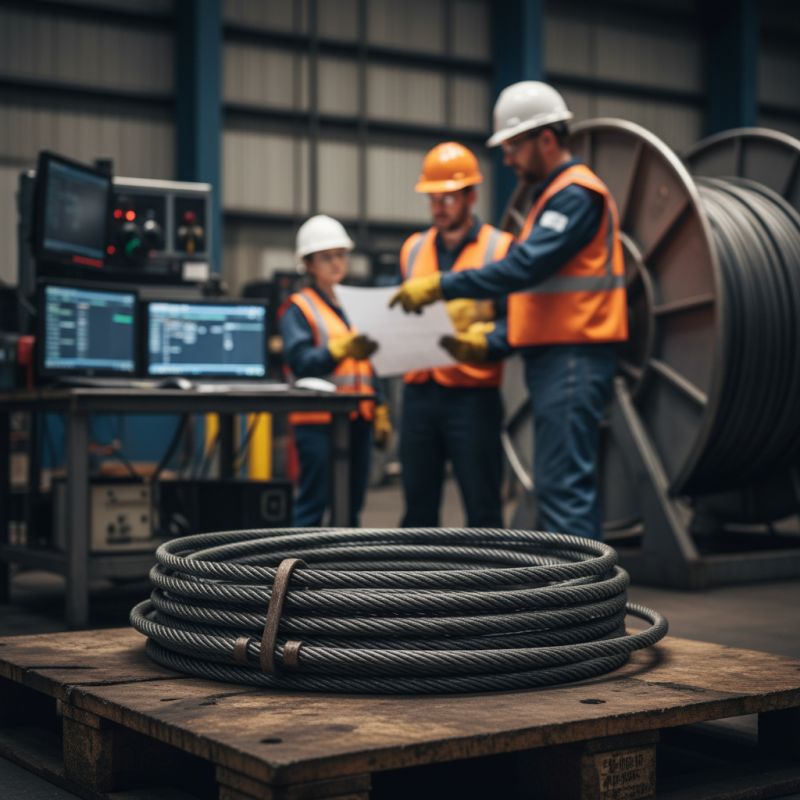
Wireline logging cables play a crucial role in the oil and gas industry. Understanding their applications and specifications is vital for making informed purchasing decisions. These cables are used to transmit data from downhole instruments to surface equipment. They provide real-time insights, improving decision-making during drilling operations.
The global wireline logging market was valued at approximately $7 billion in 2022 and is projected to grow at a CAGR of 5% through 2030. This indicates a rising demand for efficient and reliable logging systems. Important factors include cable conductivity, tensile strength, and insulation materials. Each element affects performance and durability in extreme conditions.
**Tips:** Focus on the cable's operating temperature range. Ensure it meets your project requirements. Additionally, consider the sheath's chemical resistance. Poor chemical resistance can lead to failures. Regular inspection and maintenance of cables are essential to sustain efficiency. Investing in quality can reduce long-term costs and risks.
| Dimension | Specification | Applications | Key Considerations |
|---|---|---|---|
| Cable Type | Single conductor / multi-conductor | Geophysical surveys, well logging | Choose based on well depth and application |
| Conductor Size | 0.5mm to 5mm | Data transmission | Larger conductors for higher data rates |
| Cable Length | Up to 10,000 meters | Deep well applications | Consider logistics for transportation |
| Temperature Rating | -40°C to 150°C | High-temperature environments | Select cables rated for specific applications |
| Insulation Material | EPDM, FEP, PVC | Chemical resistance | Consider environmental exposure |

When purchasing wireline logging cables, specific specifications play a crucial role in selecting the right product. For instance, the operational temperature range is vital. Many cables can handle temperatures from -40°C to 125°C. However, extremes may affect performance. Industry reports suggest that about 15% of cable failures stem from inadequate thermal resistance.
The insulation material also merits attention. Materials like polyurethane offer superior abrasion resistance and flexibility. In fact, a study from the Society of Petroleum Engineers notes that high-quality insulation can extend cable lifespan by up to 30%. Connectivity is another critical factor. Ensure that the cable connectors meet international standards for reliability. A mismatch here could lead to data loss during logging operations.
It’s essential to consider cable tensile strength. A tensile strength of 1,500N or above is often recommended to handle the mechanical stresses encountered during deployment. Failure to account for this could result in costly repairs. Regular maintenance and testing of the cables can identify potential issues early. Balancing these specifications with operational needs can be challenging, yet it is crucial for optimized performance in the field.
When assessing the quality and durability of wireline logging cables, several key factors come into play. Material composition is crucial. High-quality cables often use robust materials that can withstand harsh environmental conditions. Look for wires that are resistant to abrasion, moisture, and chemicals. Durability doesn't just stem from the outer jacket; internal wiring also plays a vital role. Poor internal design can lead to failures even if the exterior looks good.
Testing and certification are essential indicators of quality. Manufacturers should provide proof of performance under rigorous conditions. Check for adherence to industry standards. However, not all certifications guarantee performance. Relying solely on these might lead to oversight. Consider seeking feedback from professionals who have firsthand experience with specific cables in challenging environments; their insights can be invaluable.
In the end, trusting just specifications may fall short. Real-world performance often reveals issues that numbers do not capture. Regularly check how the cables perform in your specific applications. A cable that works well in one setting may fail in another. Understanding the limitations of the product is vital in making informed decisions. Aim for a balance between quality and application-specific durability.
When considering wireline logging cable purchases, cost factors play a significant role. The average price of these cables typically ranges from $5 to $20 per foot, depending on the specifications. Buyers must evaluate the cable's material, coating, and insulation. High-quality cables, made with durable materials, generally ensure better performance, particularly in harsh environments.
Budgeting for these cables requires careful planning. Reports indicate that about 30% of drilling costs can be attributed to logging operations. This emphasizes the importance of investing wisely in wireline logging cables. Factors such as installation, maintenance, and replacement can further impact total expenditure. Some buyers underestimate these hidden costs, leading to budget overruns.
Additionally, ongoing price trends suggest that global supply chain fluctuations could affect future cable costs. Marketers recommend tracking material prices closely. Understanding regional variances in pricing allows buyers to make informed decisions. Buyers should be wary of too-good-to-be-true deals that could imply lower quality. The goal is to find a balance between quality and cost-effectiveness for optimal performance.
When sourcing wireline logging cables globally, it's vital to prioritize quality and performance. Start by researching materials used in construction. High-quality insulation can resist harsh environments, which is crucial for reliable operations. Check for compatibility with local conditions, such as temperature and moisture levels. It helps ensure efficient signal transmission. Manufacturers should provide detailed specifications. This transparency reflects their expertise and commitment to quality.
Another essential aspect is the supplier's reputation. Look for partners with a strong track record in the industry. Client testimonials and case studies can provide insights. Can they demonstrate experience in different applications? Remember to verify certifications. Compliance with international quality standards indicates reliability. While cost is always a consideration, focusing solely on the lowest price may lead to issues down the line.
Don’t ignore after-sales support. A responsive service team can address any concerns promptly. Communication is key. Ask about warranty conditions upfront. If they lack clarity, reconsider the partnership. These factors shape a robust sourcing strategy. Prioritizing quality and support will yield long-term benefits in your operations.
Please share your email with us to see your results.