Why Choose a Fuel Generator for Reliable Power?

When the grid fails, a Fuel Generator can keep essential operations moving. Lights stay on. Pumps continue running. Data servers avoid an abrupt shutdown. In a hospital, workshop, or remote construction site, those minutes matter.

Power-generation specialist Tom Linebarger has stated, “Reliable power begins with disciplined preparation, not the generator alone.” That principle deserves attention. A dependable Fuel Generator requires correct sizing, clean fuel, a tested transfer switch, and scheduled maintenance. Diesel models often provide strong endurance under heavy loads. Natural-gas units can offer convenient fuel access where pipelines remain available. The best choice depends on load demands, runtime, weather, noise limits, and local regulations.

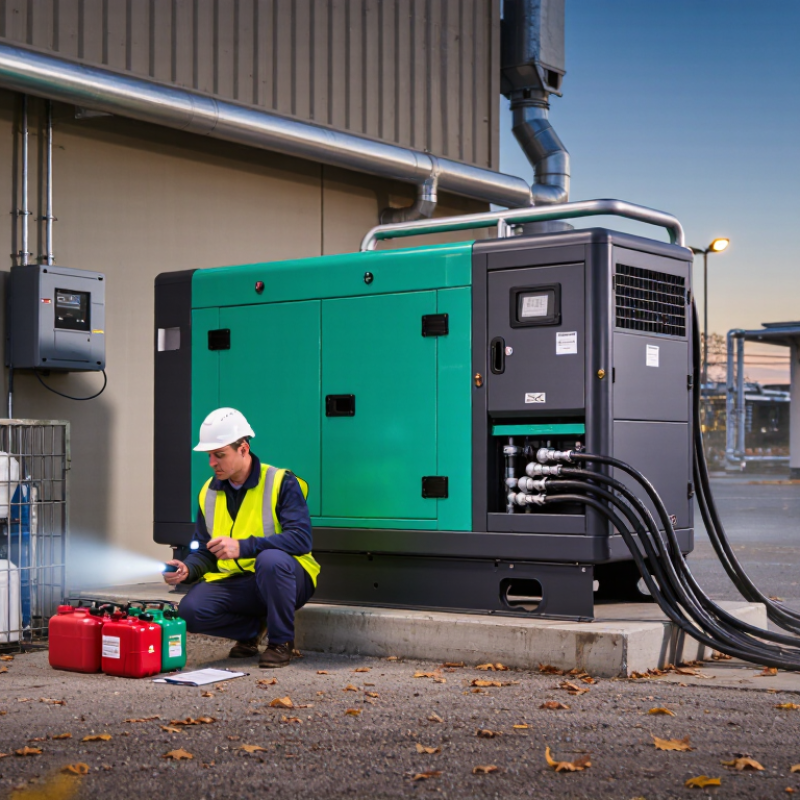
Details reveal reliability. A technician should inspect coolant levels, battery terminals, belts, exhaust paths, and fuel filters. Load-bank testing can expose weaknesses before an outage does. Cold mornings also matter. A generator may start perfectly in a warm warehouse but struggle outdoors during winter. That possibility is easy to overlook.

No generator is flawless. Fuel can degrade. Batteries can fail. Operators can misunderstand the control panel. These risks require honest planning, not optimistic assumptions. Qualified professionals should verify installation and grounding requirements under applicable standards, such as ISO 8528 or NFPA 110 where relevant. A Fuel Generator is not merely an engine in a metal enclosure. It is part of a complete power strategy, and that strategy needs regular review.
Why Choose a Fuel Generator for Reliable Power?

Fuel Generator Fundamentals: How Combustion Produces Electrical Power

A fuel generator turns stored chemical energy into electricity through a sequence of mechanical steps. Fuel burns inside an engine, releasing heat and expanding gases that push a piston. The piston turns a crankshaft, which spins the rotor inside an alternator. As the rotor moves past the stator’s windings, changing magnetic fields induce electrical current. In simple terms, combustion makes motion; the alternator makes power.

The output depends on more than the engine’s rated capacity. A refrigerator, for example, may draw extra current when its compressor starts, so its brief surge matters. Check the generator’s continuous and peak ratings before connecting appliances, and avoid loading it beyond its limits. Small details count. Keep the unit outdoors, away from doors and windows, because exhaust can contain carbon monoxide. Follow the manual for grounding and maintenance, too. Clean air filters and fresh fuel help the engine run steadily, though fuel can degrade during storage. I still find the relationship between engine speed and output easy to underestimate: a generator is a machine with moving parts, heat, vibration, and wear, not just a socket that happens to produce electricity.


Fuel Selection: Diesel Generators Can Reach About 40% Thermal Efficiency

Why Choose a Fuel Generator for Reliable Power?

Fuel Selection: Diesel Generators Can Reach About 40% Thermal Efficiency

Diesel generators are often chosen for demanding backup needs because fuel stores well and engines can deliver steady power under sustained loads. Some diesel units can approach 40% thermal efficiency, meaning they convert a substantial share of fuel energy into mechanical work. That figure is a best-case benchmark, not a promise for every installation. Actual efficiency depends on engine design, load, maintenance, and operating conditions. A lightly loaded generator may use fuel less efficiently than one running near its rated output.

For example, a generator powering a workshop during an outage may handle compressors and lighting for several hours. Track fuel use alongside the electrical load, rather than relying on a specification sheet alone. Keep the air filter clean, follow service intervals, and avoid sizing the unit far above typical demand. These steps help support dependable operation, though they cannot remove every source of fuel loss. I’ve seen careful estimates miss the mark when real loads fluctuate.

Tips: Record runtime and fuel consumption during routine tests. Test under a practical load, inspect for leaks, and keep fuel in suitable, well-maintained storage. Check the manual for safe operating limits.

Generator Sizing: Separate Running Watts from Starting Watts

Why Choose a Fuel Generator for Reliable Power?

Generator Sizing: Separate Running Watts from Starting Watts

A fuel generator can keep essential equipment running during an outage, but choosing the right size takes more than adding appliance labels. Running watts measure the power an appliance needs while operating. Starting watts cover the brief surge some motor-driven appliances require at startup. A refrigerator might run steadily, then draw extra power as its compressor kicks in. Miss that surge, and the generator may stall or trip its overload protection. Check the manuals or data plates for both figures. The numbers are easy to overlook.

Tips: List the devices you may run together. Add their running watts, then compare the largest starting surge against the generator’s capacity. Do not assume every appliance starts at once, but allow for realistic overlap. Leave some headroom.

A practical setup might power a refrigerator, several lights, and a phone charger, while leaving a space heater switched off. Fuel choice affects runtime, too: load, fuel supply, and maintenance all matter. Keep the generator outdoors, away from doors and windows, and follow its operating instructions. Test your planned load before an outage, if possible. Real use can be less tidy than the worksheet. Recheck the figures when you add equipment, since a small change can affect startup demand.

Safe Placement: CDC Advises Keeping Generators at Least 20 Feet Outdoors

A fuel generator can keep lights, a refrigerator, or a medical device running during an outage. But reliable power depends on safe placement, not just a full fuel tank. The CDC advises operating generators outdoors at least 20 feet from the home. Carbon monoxide has no color or smell, so a running engine can become dangerous before anyone notices.

Measure the distance from the generator to nearby doors, windows, and vents. Keep its exhaust pointed away from the house. Never run it in a garage, shed, or enclosed porch, even with a door open. That shortcut may feel practical in bad weather. It is not safe. Place the unit on a dry, stable surface, and follow the manufacturer’s instructions for protecting it from rain without enclosing it.

During an outage, check the setup again if wind changes or the generator shifts. Keep people away from hot surfaces and moving parts. A carbon monoxide alarm inside the home adds another layer of warning, but it does not replace outdoor placement. It is easy to underestimate how far exhaust can travel. Measure the distance before starting the engine, not after the house smells unusual—because exhaust may give no warning at all.

Why Choose a Fuel Generator for Reliable Power?

Safe placement matters: the CDC advises operating generators outdoors at least 20 feet from your home, away from doors, windows, and vents.

The distances shown are illustrative examples, not measured data. Only placements at or beyond 20 feet meet the CDC’s minimum distance recommendation.

Reliability Checks: NFPA 110 Calls for Monthly Generator Exercise Tests (30 Minutes)

Why Choose a Fuel Generator for Reliable Power?

A fuel generator can keep essential equipment running when utility power fails. But reliability depends on more than having fuel in the tank. Regular exercise helps reveal problems before an outage makes them urgent. NFPA 110 calls for monthly generator exercise tests, typically lasting at least 30 minutes. Exact requirements can depend on the system and applicable edition, so confirm details with a qualified technician and the authority having jurisdiction.

During a test, check that the unit starts promptly and runs steadily. Listen for unusual vibration or knocking. Watch for warning lights, leaks, or rising temperatures. Record the start time, run time, load, and any corrective work. A generator that runs without a meaningful load may not show how it performs under demand; follow the system’s testing requirements for load conditions. Small details matter. A loose connection can be easy to miss. One imperfect log entry can also make a trend harder to spot.

Tips: Schedule the test monthly and use a checklist. Keep the area clear, and never ignore an alarm just because the generator keeps running. Review records regularly. If a test fails, arrange qualified service promptly and document what changed. Routine checks are not exciting, but skipped checks can leave unpleasant surprises.

Why Choose a Fuel Generator for Reliable Power? — Reliability Checks: NFPA 110 Calls for Monthly Generator Exercise Tests (30 Minutes)
Reliability Check Typical Interval What to Verify Why It Matters
Generator exercise Monthly, where required by the adopted NFPA 110 edition For covered emergency power supply systems, NFPA 110 generally calls for at least 30 minutes of operation. Confirm the required load or operating conditions for the specific engine and installation. Exercises the equipment and can reveal starting, control, or operating problems before an outage.
Automatic transfer switch (ATS) During scheduled system inspections and tests Check that the switch senses loss of normal power, transfers the load as designed, and retransfers after normal power returns. A functioning generator cannot supply standby power to the intended circuits if transfer equipment fails.
Fuel supply and condition Inspect routinely; testing and maintenance depend on fuel type and system requirements Verify available fuel, inspect for leaks or damage, and follow applicable procedures for fuel quality, storage, and supply components. A reliable start does not guarantee sustained operation if fuel is unavailable or unsuitable.
Starting battery and charger Inspect and test according to the maintenance schedule Check battery condition, connections, charger operation, and any applicable alarm indications. Weak batteries and charging faults are common causes of failure to start.
Cooling, ventilation, and exhaust Inspect during routine service and exercise tests Look for blocked airflow, leaks, abnormal temperatures, and visible exhaust-system damage; keep required clearances and ventilation paths unobstructed. Poor airflow or cooling can impair operation, while exhaust leaks can create serious safety hazards.
Operating records and corrective actions After each test, inspection, or repair Record dates, run time, observations, test conditions, deficiencies, and completed repairs in the required log. Consistent records help identify recurring issues and demonstrate that required maintenance is being managed.

Requirements vary by NFPA 110 edition, system classification, installation, and local authority. Confirm applicable testing conditions and intervals with the adopted standard, authority having jurisdiction, and equipment instructions.

Members of