Choosing the right Chicken Water Drinker is a practical decision for poultry farms. Water affects feed intake, growth, egg production, and flock welfare. Aviagen’s Ross Broiler Management Handbook reports that broilers commonly consume about 1.6 to 2.0 parts water for each part of feed, depending on age and temperature. During heat stress, demand can rise sharply.
Dr. Susan Watkins, a poultry water-quality specialist at the University of Arkansas, has stated, “Water is the most important nutrient for poultry.” That simple sentence carries operational weight. A drinker must provide clean water at the correct pressure, height, and flow rate. Nipples that leak can create wet litter beneath the lines. Low flow can leave birds crowded and thirsty. Small failures become expensive quickly.
The U.S. National Chicken Council and commercial breeding guides also emphasize daily observation, sanitation, and water-line management. A reliable Chicken Water Drinker supports these routines by reducing contamination risks and making consumption easier to monitor. Clear lines help staff notice sediment, biofilm, or unusual color before the flock shows visible distress. Good equipment is not magic. It still requires flushing, inspection, and adjustment.
This is where farms sometimes fall short.
Choosing the cheapest drinker may save money today, but replacement labor, wet litter, and uneven bird growth can cost more later. Research from the University of Georgia’s poultry extension programs repeatedly connects water availability and quality with productive performance. However, results vary between houses, climates, and management systems. The best choice should be tested against real farm records, not marketing promises.
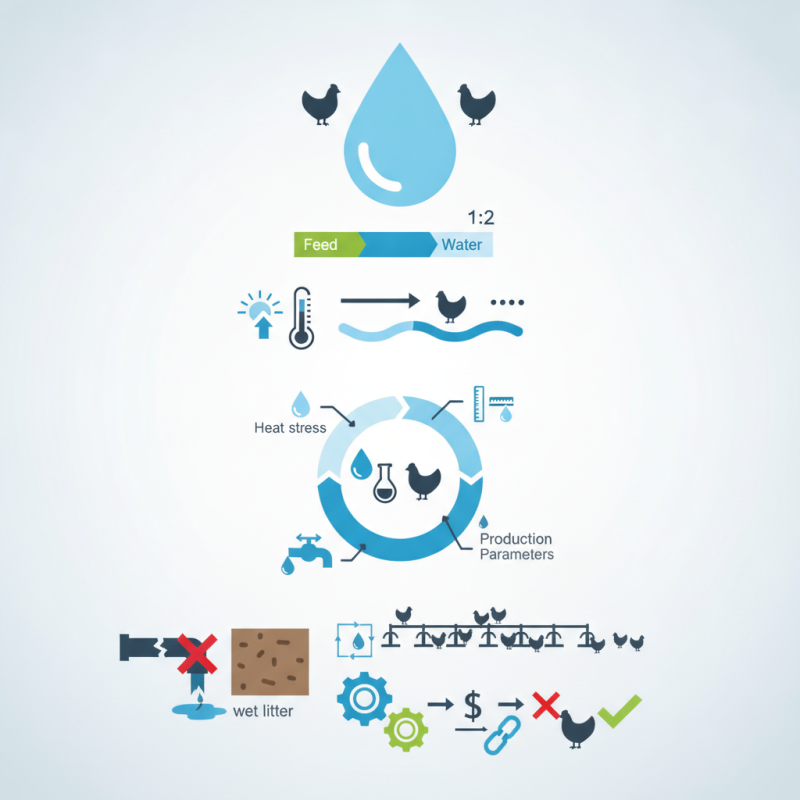
On a poultry farm, water is not a minor supply. It directly supports feed digestion, body temperature, growth, and egg production. A chicken water drinker provides a controlled source that birds can reach throughout the day. Clean water also helps reduce contamination from litter, feathers, and manure. When drinkers are poorly positioned, smaller birds may struggle to drink. Uneven access can quietly affect flock performance.
Different drinkers suit different housing systems. Nipple drinkers can limit open water exposure, while cup drinkers make drinking behavior easier to observe. The drinker line should match the birds’ shoulder height as they grow. Water pressure must remain steady, but excessive pressure can cause dripping. Wet litter often begins with one leaking point. It may seem small, yet damp bedding can encourage harmful bacteria and foot problems. Daily checks matter more than complicated equipment.
Farm workers should inspect water flow, cleanliness, and height during regular rounds. A simple hand test can confirm whether each nipple responds properly. Water quality also deserves testing, especially when wells or storage tanks supply the house. I once underestimated a slightly blocked line; the birds near it looked normal, but their water intake had already fallen. That mistake showed me that appearance is not proof of proper supply. Records of repairs, cleaning, and water use can reveal gradual changes before production declines. Some systems still need adjustment after installation. บาคาร่
| Data Dimension | Typical Farm Requirement or Observation | Why It Matters | Practical Management Consideration |
|---|---|---|---|
| Water as a Nutrient | Water is essential for digestion, circulation, temperature regulation, and waste removal. Birds generally cannot remain healthy for long without continuous access to clean water. | Restricted or contaminated water can quickly reduce feed intake, growth, egg production, and overall flock performance. | Provide fresh water throughout the day and inspect the drinking system at least daily. |
| Typical Water-to-Feed Relationship | Chickens often consume approximately 1.6–2.0 parts of water for each part of feed by weight under comfortable conditions. | A sudden change in the water-to-feed ratio may indicate heat stress, illness, poor water quality, or a feeding problem. | Monitor flock water and feed intake together rather than evaluating either measurement alone. |
| Effect of Ambient Temperature | Water consumption usually increases as house temperature rises. Heat-stressed birds may drink substantially more than they do under moderate conditions. | Insufficient flow or empty drinkers can intensify heat stress and increase mortality risk. | Check flow rates, tank levels, and water temperature during hot weather; provide shade or insulation for exposed water lines. |
| Drinker Type: Nipple System | Delivers water when a bird activates a valve. It can reduce open-surface exposure and usually produces less spillage than open drinkers when correctly adjusted. | Lower spillage helps keep litter drier and can reduce ammonia-related air-quality problems. | Set the height and pressure for the bird age, verify that each nipple works, and flush the lines regularly. |
| Drinker Type: Bell or Pan System | Uses an open water surface that is easy for young birds to recognize, but it can collect litter, feed, and feathers. | Accessible water supports early drinking, while contamination can increase cleaning requirements and microbial risk. | Maintain the recommended water depth, clean frequently, and keep the drinker level to limit tipping and spillage. |
| Water Hygiene | Drinking water should be free from visible sediment and managed to limit bacterial contamination. Microbial quality should be confirmed through testing rather than appearance alone. | Poor-quality water may contribute to enteric disease, biofilm formation, and reduced flock performance. | Test source water periodically, clean storage tanks, and follow veterinary or local water-treatment guidance. |
| Water Line Maintenance | Biofilm, mineral deposits, and sediment can restrict flow and interfere with valves or nipples. | Blocked or inconsistent drinkers create uneven access, especially in large houses or multi-level systems. | Flush lines according to the equipment and treatment program, and inspect filters, regulators, and end points. |
| Drinker Height | Drinkers should be adjusted as birds grow so that birds can drink comfortably without excessive splashing or crouching. | Incorrect height can increase water waste, wet litter, and competition at the drinker. | Raise or adjust drinkers regularly and confirm that both smaller and larger birds can reach them. |
| Water Availability | Every bird should have convenient access to an adequate number of functioning drinkers, with extra capacity for hot weather and peak demand. | Limited access can cause crowding, uneven growth, dehydration, and reduced production. | Use equipment capacity recommendations for the flock size and keep backup drinkers or repair parts available. |
| Litter Condition | Excessive drinker leakage can create wet areas beneath or around the drinking line. | Wet litter is associated with higher ammonia levels, footpad damage, and poorer house conditions. | Repair leaks promptly, maintain correct pressure, and remove heavily wet litter when necessary. |
| Water Temperature | Birds generally prefer clean, palatable water; water that becomes excessively warm may reduce drinking, particularly during hot weather. | Reduced intake during heat stress can worsen dehydration and production losses. | Protect tanks and exposed lines from direct sunlight and renew stagnant water where practical. |
| Operational Benefit | A properly selected and maintained drinker system provides measurable, continuous access to water with less manual filling than basic containers. | Automated or semi-automated systems can improve labor efficiency and support more consistent flock management. | Choose equipment based on flock size, bird age, house layout, water pressure, cleaning needs, and local climate. |
| Note: Water-consumption ranges and equipment requirements vary with bird type, age, feed composition, temperature, humidity, health status, and housing conditions. Farm-specific recommendations should be confirmed with a poultry veterinarian or qualified poultry adviser. | |||