Why Choose Alloy Steel Investment Castings for Your Projects?

Choosing the right materials for your projects can significantly impact their success. Alloy Steel Investment Castings stand out for their unique properties. They combine strength, durability, and precision. This makes them ideal for various applications.

These castings help in reducing weight without compromising structural integrity. They resist wear and corrosion, offering long-lasting performance. However, not all projects require alloy steel. Consulting with experts ensures the proper use of Alloy Steel Investment Castings.

While these materials excel in many areas, it's crucial to assess your project’s requirements carefully. Sometimes, a different material might be more suitable. Understanding the nuanced benefits and limitations of these castings is important. This knowledge enhances decision-making and leads to successful outcomes.
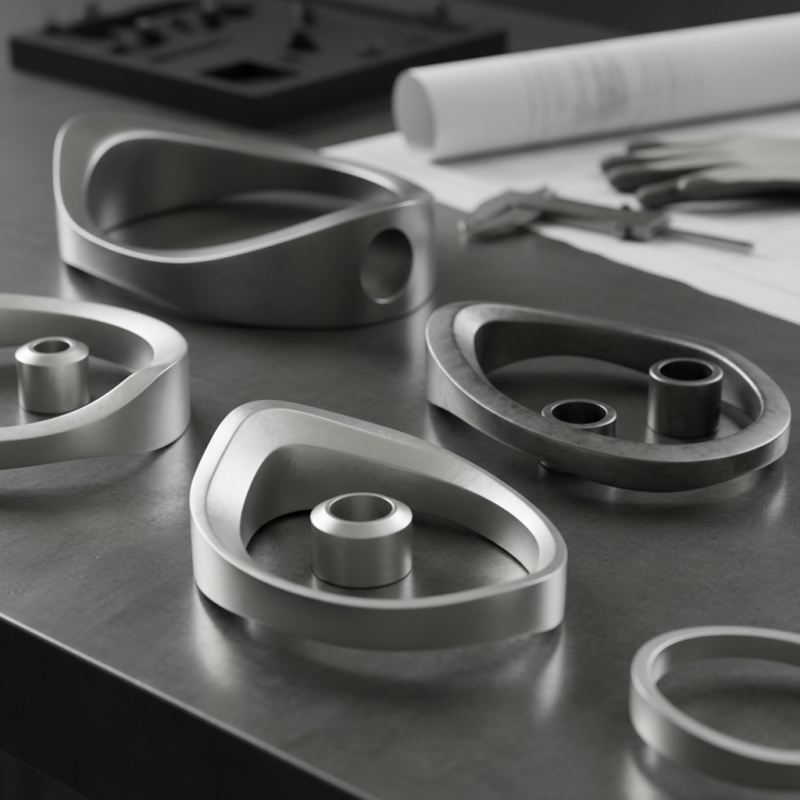
Why Choose Alloy Steel Investment Castings for Your Projects?

Understanding Alloy Steel Investment Casting Process

The alloy steel investment casting process is a refined and intricate method. It starts with creating a wax pattern, which is coated in ceramic. Once hardened, the ceramic shell is heated to remove the wax, forming a mold. This step is critical; flaws in the coating can lead to defects.

Molten alloy steel is then poured into the mold. Temperature control is vital here. If the steel is too hot, it may cause the mold to crack. If too cool, it can cause incomplete filling. This precision affects the final product's strength and durability. Every pour requires strict oversight.

After cooling, the ceramic shell is broken away, revealing the casting. Every piece is unique, yet they share common characteristics. Some may require machining for smooth edges. Others might need polishing for aesthetic purposes. Issues can arise during this stage, highlighting the importance of experienced personnel. An understanding of alloy characteristics aids in making adjustments, ensuring the final piece meets project specifications.


Advantages of Using Alloy Steel in Investment Castings

Alloy steel investment castings offer significant advantages for various projects. One primary benefit is their strength. Alloy steel can withstand high stress and extreme conditions, making it suitable for demanding applications. Moreover, its resistance to wear enhances the durability of the components. This makes alloy steel ideal for industries like aerospace and automotive.

Another critical advantage is the versatility of alloy steel. By varying the composition, manufacturers can tailor the properties to specific requirements. This customization can lead to improved performance in specific environments. Additionally, investment casting allows for complex shapes, minimizing material waste. This process is efficient and reduces overall production costs.

Tips: Ensure to collaborate with experienced engineers when selecting alloy compositions. Their expertise can significantly impact the performance of the final product. Pay attention to testing the castings under typical working conditions. This can reveal potential weaknesses that may not be apparent during the design phase. Regular evaluations of the casting process can provide insights for improvements.

Key Applications for Alloy Steel Investment Castings

Alloy steel investment castings play a vital role in various industries. Their unique properties make them suitable for demanding applications. These castings excel in environments with high stress and temperature. They are commonly used in aerospace, automotive, and heavy machinery manufacturing.

In the aerospace sector, alloy steel castings are crucial for engine components. Their strength-to-weight ratio contributes to enhanced fuel efficiency. In automotive production, they offer durability for critical parts like gears and crankshafts. The extreme pressures faced by these components require reliable materials. Heavy machinery, often exposed to harsh conditions, benefits from the resilience of alloy steel castings.

While these castings provide numerous advantages, they can come with challenges. The manufacturing process can introduce inconsistencies if not managed correctly. Additionally, the initial costs may deter some projects. However, the long-term benefits often outweigh these issues. Investing in quality alloy steel castings can lead to improved performance and lifespan.

Comparative Analysis: Alloy Steel vs. Other Materials

When comparing materials for industrial applications, alloy steel has unique advantages. Its strength and durability make it a top choice for heavy-duty projects. Unlike standard steel, alloy steel contains additional elements like chromium and nickel. These enhance its resistance to wear and corrosion. This makes it suitable for harsh environments where reliability is crucial.

When paired against alternatives like carbon steel and aluminum, the benefits become clearer. Carbon steel is prone to rust and weaker under stress. Aluminum, while lightweight, cannot match the tensile strength of alloy steel. In demanding applications, this is a significant drawback. However, alloy steel can be expensive and more challenging to cast, raising questions about cost-effectiveness for certain projects.

Choosing the right material always involves trade-offs. While alloy steel offers numerous benefits, the specific requirements of a project should guide decisions. Sometimes, a balance between cost and performance is necessary. It’s essential to evaluate each project's unique demands to make informed choices. Ultimately, the right material enhances product longevity and performance.

Why Choose Alloy Steel Investment Castings for Your Projects?

Cost-Effectiveness and Longevity of Alloy Steel Castings

Alloy steel investment castings are known for their cost-effectiveness and durability. In various industries, they reduce both production and lifecycle costs. Reports indicate that these castings can offer up to 30% savings compared to traditional machining methods. This is largely due to reduced material waste and lower labor costs during production.

The longevity of alloy steel castings also enhances their value. These castings are resistant to wear, corrosion, and impact. Studies have demonstrated that alloy steel components often outlast their counterparts by 50%. This extended lifespan means fewer replacements and maintenance interventions, translating into significant savings over time.

However, it’s essential to select the right alloy composition to maximize benefits. Not all alloy steels are equal, and poor choices can lead to premature failure. Regular assessments of the specific conditions in which castings operate can ensure optimal performance and prevent unforeseen costs. Balanced decisions are required to truly harness the advantages of alloy steel investment castings.

Members of