What Type of Three Phase Transformer Do I Need?
Choosing a Three Phase Transformer starts with more than matching a voltage on a label. The right choice depends on the equipment, supply, and conditions at the installation site. A unit that looks suitable on paper may still cause problems if its capacity, winding connection, or cooling method does not fit the load. Small details matter. For example, a workshop with a motor starting under heavy load has different needs from an office running steady electronic equipment. The difference may not be obvious from the equipment list alone.
This guide explains how to compare transformer types and identify the details that shape a practical selection. It covers primary and secondary voltage, kVA rating, frequency, connection type, load behavior, and installation environment. You will also see why nameplate information and manufacturer documentation deserve close attention. Check the expected load, not just the present one. Future expansion can change the answer. There is no universal best option. A dry-type transformer may suit an indoor space, while an oil-filled design may fit other operating conditions, subject to proper site review. Some choices remain uncertain until an electrical professional checks the actual system. That is worth admitting. The goal is not to make selection sound effortless, but to help you ask better questions, compare suitable options, and confirm the final specification with qualified technical support.
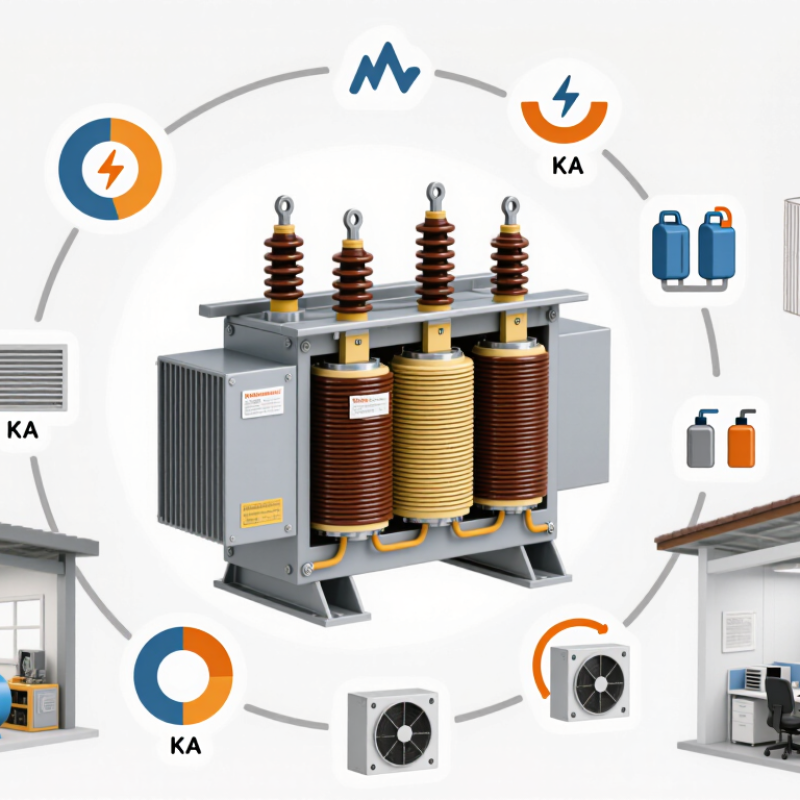
Identify Your Supply Voltage, Load, and Phase Requirements
What Type of Three Phase Transformer Do I Need?
Identify Your Supply Voltage, Load, and Phase Requirements
Start with the utility’s service details, not a transformer catalogue. Confirm the incoming phase, line-to-line voltage, frequency, and grounding arrangement. Then specify the required secondary voltage and whether loads need neutral conductors. The U.S. Energy Information Administration’s Electric Power Annual reports roughly 4,000 billion kWh of U.S. retail electricity sales for 2023. That national figure cannot identify your site’s supply; a utility service record or qualified electrician can. Small details matter.
Estimate the connected load in kVA, then account for expected demand, motor starting current, and nonlinear equipment such as variable-frequency drives. For a balanced three-phase load, kVA equals 1.732 × line voltage × line current, divided by 1,000. Leave suitable headroom, but avoid oversizing without reason: transformer losses and operating costs continue even at light load. One calculation is never the whole answer. I would recheck the load list against real operating schedules; a nameplate total can mislead when machines rarely run together.
Tips: Photograph the service label and record each major load’s voltage, phase, and rated current. Ask the utility to confirm available fault current and service voltage. If sensitive electronics, long cable runs, or frequent motor starts are involved, have an electrical professional review the design before ordering.
Calculate the Required Transformer kVA Capacity
Transformer kVA starts with the load, not the equipment list. For a balanced three-phase system, use kVA = 1.732 × line voltage × line current ÷ 1,000. At 400 volts and 120 amps, the calculated demand is about 83.1 kVA. That number assumes 120 amps represents the maximum coincident load. A spreadsheet can still be wrong.
IEC 60076-1:2011 sets out transformer rating requirements, while IEEE C57.91-2011 addresses loading and thermal limits. These references matter because a nameplate rating alone does not capture every operating condition. Add realistic allowance for future loads, but avoid treating every connected motor as if it starts together. For example, a 25% growth allowance raises 83.1 kVA to about 103.9 kVA. The selected unit must exceed that figure; a 112.5 kVA rating may fit where available and suitable.
Check motor-starting current, harmonics from electronic drives, ambient temperature, altitude, and daily load profile before specifying capacity. A motor may draw several times its running current during startup, briefly stressing voltage and transformer performance. That matters. Record measured peak demand when possible, and confirm assumptions with the project’s electrical engineer. A modest reserve can help, but an oversized transformer may cost more and operate less efficiently at light loads. The awkward part is that demand forecasts are never exact. Keep the assumptions visible, then revisit them when the facility’s actual load data arrives.
What Type of Three-Phase Transformer Do I Need?
Compare estimated transformer capacity with the next standard rating for several example loads.
Estimated kVA is calculated as coincident load (kW) ÷ power factor. The selected capacity is the next standard rating at or above that estimate. Actual sizing may also need to account for motor starting, harmonics, ambient conditions, and future expansion; consult a qualified electrical professional.
Choose a Winding Configuration and Voltage Connection
What Type of Three Phase Transformer Do I Need?
Choose a Winding Configuration and Voltage Connection
Start with the supply and load voltages, then identify whether the system needs a neutral. A wye secondary can provide a neutral for line-to-neutral loads, such as lighting circuits. A delta secondary has no neutral unless a suitable grounding arrangement is added. Check the equipment nameplates and the actual site wiring, not just the panel schedule.
The winding choice affects more than voltage. Delta-wye connections are common where a grounded secondary neutral is useful, but they introduce a phase shift that must match the system. Delta-delta may suit some three-phase loads without a neutral. Wye-wye can work in appropriate systems, though grounding and load balance need careful review. Small details matter.
Confirm the primary and secondary line voltages, frequency, grounding method, and expected load balance. Also check the transformer’s vector group, available protection, and any existing equipment that must stay in phase. In practice, a neutral requirement can change the choice quickly. I still find this easy to overlook. Ask a qualified electrical professional to verify the connection against the site design before ordering; a plausible voltage match is not enough.
Select a Transformer Type for Your Installation Environment
Choosing a three-phase transformer starts with its installation environment, not only its voltage and kVA rating. A clean, temperature-controlled electrical room may suit a ventilated dry-type unit. Dust, metal filings, moisture, or regular washdowns call for closer attention to enclosure protection. A sealed enclosure limits exposure, but it still needs enough space around it to release heat. Heat builds quietly. Check room temperature, airflow, and access for maintenance before settling on a location.
Outdoor installations face different conditions. Rain, direct sun, salt air, and freezing temperatures can affect the enclosure and cooling system. Depending on the site and load, a weather-rated dry-type or liquid-filled transformer may be appropriate; neither is automatically best. Confirm the unit’s temperature and altitude ratings, and consider corrosion protection where air carries salt or chemicals. Noise matters near occupied rooms, too. A common mistake is to focus on the nameplate and overlook the path technicians need to reach connections safely. Measure the available clearance, review the installation requirements, and have a qualified electrical professional verify the selection against the actual site conditions.
One detail may change the choice.
Check Efficiency, Safety, and Applicable Standards
Choosing a three-phase transformer starts with the load, not just the nameplate rating. Start with the load. List connected equipment, starting currents, and expected growth, then compare these figures with the transformer’s kVA rating. Efficiency depends on both core losses, which occur whenever the unit is energized, and winding losses, which rise with load. A larger unit is not automatically more efficient; if it runs lightly loaded for years, its fixed losses may matter more. Check the expected daily load profile and request efficiency data at realistic operating points. Small details count.
Safety needs equal attention. Confirm the primary and secondary voltages, connection, frequency, insulation class, enclosure rating, and installation environment. A dusty plant room or outdoor pad may require different protection. Verify grounding, overcurrent protection, ventilation, clearances, and short-circuit withstand with a qualified electrical professional. I have seen specifications focus on capacity while overlooking heat and access for maintenance. That is an easy gap to miss. Standards also depend on location and application: IEC 60076 and the IEEE C57 series are common references, but applicable editions, local electrical codes, and utility requirements must be checked. Ask for test records and evidence of conformity, not just a standards claim. Review the final design against the actual site conditions before purchase.