Global demand for window coverings is expanding, but buyers still face a practical question: which mechanism will perform reliably after thousands of daily adjustments? Grand View Research’s Window Coverings Market report valued the broader global market at about USD 30.3 billion in 2022 and projected 7.6% annual growth through 2030. That figure covers more than zebra blinds. It signals a growing category, not proof that every supplier meets the same standard.
Small parts matter. A zebra blind’s smooth operation depends on coordinated components: the clutch, chain, brackets, tube, and fabric alignment. Buyers comparing a Zebra Blind Mechanism Manufacturer should examine load capacity, operating consistency, material quality, customization options, and documented quality controls. Ask for samples. Test the chain under realistic use. Check how the blind stops and aligns across repeated cycles. Specifications still leave gaps.
Quality expert W. Edwards Deming’s principle, “Quality is everyone’s responsibility,” is relevant to supplier evaluation, though he was not a zebra-blind specialist. It points to a useful question: how does a manufacturer control quality from component sourcing to final inspection? Trade reports can frame market demand, but they cannot verify an individual factory’s claims. Buyers need evidence. This guide compares manufacturers through practical sourcing criteria, while recognizing that published data and product performance do not always tell the whole story.
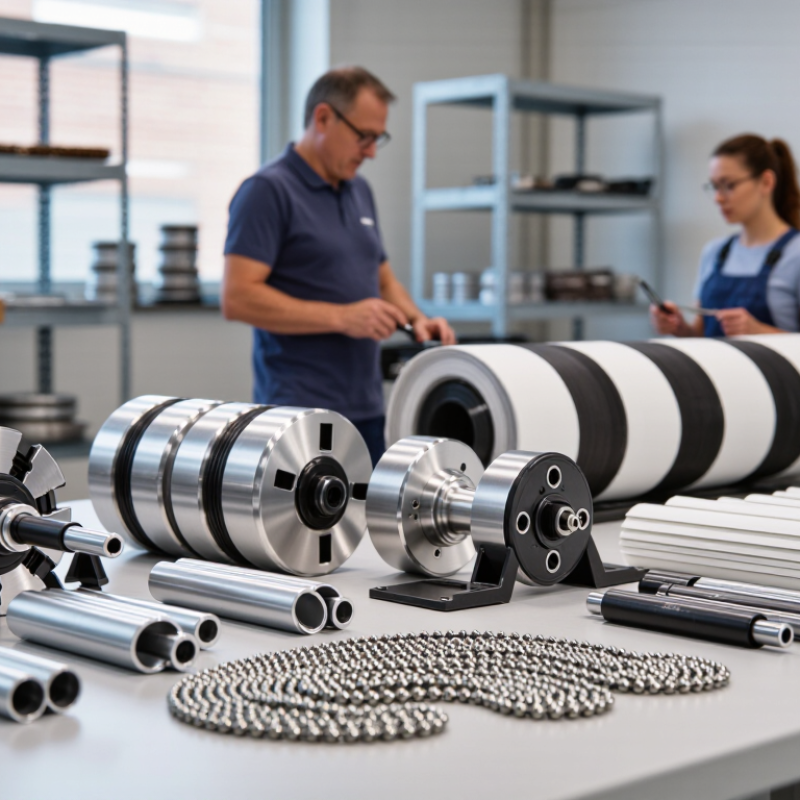
A zebra blind mechanism controls two fabric layers with alternating sheer and opaque bands. Each layer moves around a shared roller tube, allowing the bands to overlap or separate. When opaque sections align, they reduce incoming light; when sheer sections meet, daylight filters through. The effect depends on accurate fabric alignment and steady movement. Small parts matter.
The roller tube supports the fabric and keeps it winding evenly. Brackets hold the assembly in place, while a clutch and bead chain let users adjust the blind by hand. Motorized versions use a compact drive unit instead. A bottom rail adds weight, helping the fabric hang straight, and a fascia can conceal the roller. During installation, uneven brackets or excessive fabric tension may cause drifting or creasing. A showroom sample may hide those problems. Buyers should check how smoothly the mechanism runs across repeated cycles, not just how it looks once. Even a well-made unit can feel rough if its parts are poorly matched.

A representative manual roller-style zebra blind assembly contains one of each listed component, except for the two mounting brackets. Actual configurations may vary by blind design.
Leading zebra blind mechanism manufacturers in the global market compete on smooth operation, consistent component quality, and support for different fabric widths. Their systems typically combine a clutch, drive tube, brackets, and control chain. Small differences matter. A poorly matched tube can cause uneven movement, while a weak clutch may struggle with heavier shades. Reliable manufacturers provide clear load limits and installation guidance, not just attractive product images.
Buyers should compare more than price. Ask for material specifications, cycle-test information, available spare parts, and samples that can be tested with the intended fabric. Check whether the mechanism moves evenly and stops without slipping. A polished sample can still hide limitations, and no supplier is perfect. Some mechanisms are quiet but cost more; others are affordable but need closer quality checks.
Tips: Test a full-width sample with the actual fabric before placing a large order. Check chain tension, bracket fit, and alignment after repeated cycles. Request written details for tolerances and replacement parts. Small oversights can become costly.
| Mechanism category | Main components | How it operates | Typical application | Buyer evaluation points |
|---|---|---|---|---|
| Chain-operated clutch system | Bead chain, clutch, tube, brackets and bottom rail | Pulling the chain rotates the tube, moving the fabric to align its alternating sheer and opaque bands. | Common residential and light-commercial installations | Check clutch operation, chain compatibility, mounting options, component availability and applicable cord-safety requirements. |
| Spring-assisted system | Spring unit, roller tube, end plugs, brackets and bottom rail | A spring inside the roller supports movement; the exact lift and stopping method depends on the design. | Installations where a chain-free operating option is preferred | Confirm adjustment procedure, operating range, fabric compatibility and whether replacement spring parts are available. |
| Motorized roller system | Tubular motor, roller tube, power supply or battery, controls and brackets | An electric motor turns the tube; operation may use a wall switch, remote control or compatible automation system. | Large, hard-to-reach or multi-window installations | Verify voltage and power method, control compatibility, limit-setting process, noise information and service support. |
| Dual-layer zebra fabric system | Two aligned fabric layers, roller assembly, control mechanism and bottom rail | The fabric layers shift relative to each other to vary the alignment of sheer and opaque bands. | Rooms requiring adjustable light filtering and daytime privacy | Assess fabric alignment, smooth travel, edge finish, available fabric options and the suitability of the selected control system. |
| Custom-width mechanism assembly | Cut-to-size tube, mechanism, brackets, fabric and bottom rail | Components are specified or prepared for the ordered blind dimensions and installation method. | Projects with varied window sizes or made-to-measure requirements | Request dimensional tolerances, measurement instructions, sample approval and confirmation of left- or right-side control options. |
| Replacement-parts supply | Clutches, chain loops, brackets, end plugs, tubes and motor accessories | Individual compatible parts support repair or servicing of an existing blind assembly. | Maintenance, repair and spare-parts procurement | Match part dimensions and interface details; confirm drawings, samples, minimum order quantities and reorder availability. |
Buyer note: Mechanism specifications and compatibility vary by product design. Confirm dimensions, operating requirements, applicable safety rules, documentation and shipping terms with the supplier before ordering.
Global buyers should compare zebra blind mechanism manufacturers through measurable quality controls, customization options, and verified production capacity. Ask for cycle-test results, load limits, and inspection records—not just a sample that feels smooth. Small details matter. Check how the clutch, tube, brackets, and fabric alignment perform together; a strong mechanism can still produce uneven stripes if assembly tolerances vary. Request samples in your intended width and fabric weight, then test repeated lifting and stopping.
Tips: Ask for defect rates, monthly output, and recent on-time delivery figures. Confirm whether custom tube lengths, control sides, colors, and packaging affect lead times or minimum order quantities.
Customization is useful only when specifications remain consistent at scale. Request a written tolerance range for dimensions and fabric alignment, plus a process for handling changes between sample approval and mass production. The U.S. Department of Energy’s Energy Saver guidance reports that certain cellular shades can reduce window heat loss by 40% or more and solar heat gain by up to 60%. These figures do not apply directly to zebra blinds, but they show why shade performance should be tested by product type. Ask manufacturers for relevant test methods and results, and compare capacity against your forecast, not a headline factory number. A little skepticism helps.
Selecting a zebra blind mechanism supplier starts with the project, not a catalogue. A compact apartment window may need a quiet clutch and a narrow headrail. A hotel installation may demand consistent operation across hundreds of blinds. Share fabric weight, finished width, tube size, and daily use expectations before requesting a quotation. These details help suppliers recommend compatible components rather than simply quote the lowest price.
Ask for a working sample and check how smoothly it lifts and holds the fabric. If possible, test it with your own fabric, since heavier or textured material can change performance. Request written specifications, installation guidance, and details about replacement parts. For large orders, confirm production capacity, packaging, and delivery timelines. A sample can still behave differently from a full production batch, so agree on inspection criteria in advance. This step is easy to overlook.
Tips: Compare suppliers against the same project brief. Record operating force, noise, fit, and finish. Ask how they handle defects and spare-part requests. Keep one tested sample for reference; it may not answer every question, but it gives your team a useful baseline.
For global buyers, a zebra blind mechanism should be assessed beyond its sample-room performance. Ask suppliers for current test reports, material declarations, and labeling details relevant to the destination market. Motorized systems may require different documentation from manual ones. Verify the requirements with your compliance team or local adviser; paperwork can vary by market.
Check the real shipping plan. Request carton dimensions, gross weight, pallet details, and a written production lead time. A neatly packed sample can still arrive damaged if long rails shift inside a container. Confirm who handles export documents and ask your freight partner to verify tariff classification. Small details matter. Yet forecasts are rarely perfect, so agree how delays or short shipments will be reported.
After-sales support is part of the mechanism’s value. Ask how long replacement clutches, brackets, and control components remain available. Get response-time expectations in writing, along with clear troubleshooting steps and warranty terms. A short video showing installation can prevent repeated service calls. Some suppliers may promise more than they can consistently deliver; check references and test the support process with a practical question before placing a large order.
Please share your email with us to see your results.