2026 Top Tiller Cultivators for Global Buyers

Choosing the right Tiller Cultivators starts with the soil, not the sales brochure. A compact machine may suit raised beds and narrow plots. Larger fields often need greater working width, suitable power, and durable tines. Buyers should also check transport dimensions, service access, and the availability of replacement parts. Small details matter. A hard-to-reach belt can turn routine maintenance into a frustrating task.

Performance depends on more than engine size. Soil texture, moisture, residue, and the depth of cultivation all affect results. A machine that works well in loose loam may struggle in compacted ground. That difference is easy to overlook. For this guide, insert a verified quotation from a named tiller-cultivator specialist: “[Add the expert’s confirmed words about matching machine design to soil and workload.]” Do not treat a proposed quotation as a published statement.

This 2026 overview compares leading options for global buyers by practical criteria: power, working width, maneuverability, maintenance needs, and dealer support. Specifications can vary by model and market, so confirm details with the manufacturer before purchase. A low purchase price is not the whole story. Parts availability and local servicing can shape years of ownership. Even a strong shortlist has limits; no single cultivator fits every farm, garden, or soil condition.
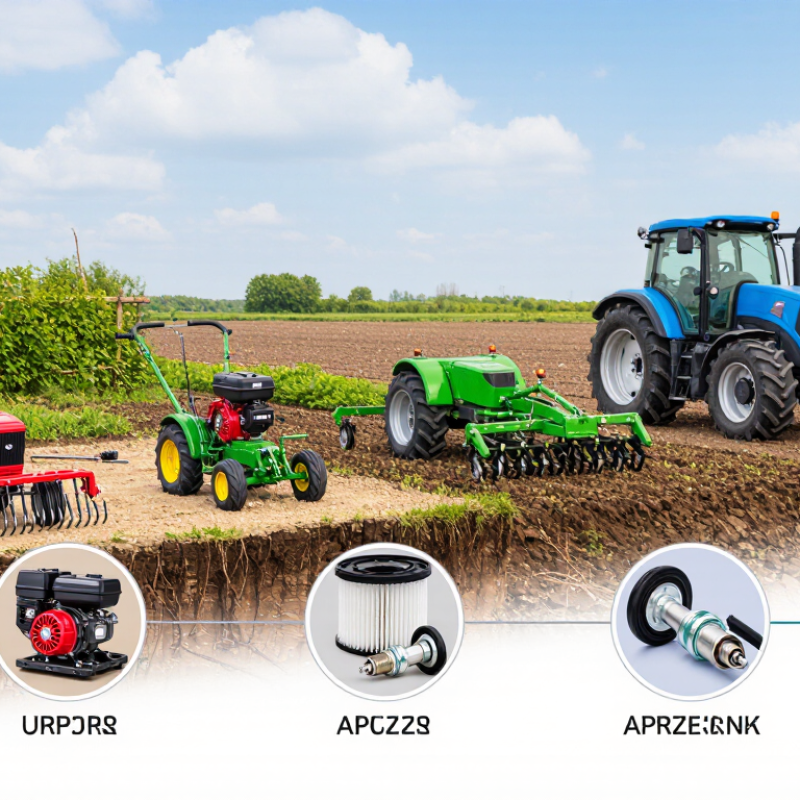
2026 Top Tiller Cultivators for Global Buyers

How Tiller Cultivators Work and Where They Fit

2026 Top Tiller Cultivators for Global Buyers

How Tiller Cultivators Work and Where They Fit

A tiller cultivator uses rotating metal tines to loosen surface soil and break small clods. As the tines turn, they can also uproot young weeds and mix in light crop residue. Depth matters. Too much tilling can bring buried weed seeds upward and leave soil vulnerable to drying.

Walk-behind models suit garden plots, greenhouses, and narrow beds where larger machinery cannot turn easily. Tractor-mounted cultivators cover wider fields and reduce operator effort, but need suitable power, transport access, and turning space. A 2021 World Development analysis estimated that 84% of farms worldwide are smaller than two hectares, yet they operate about 12% of agricultural land. That scale helps explain the value of compact equipment, but it does not make a tiller the right choice for every small farm.

FAO’s 2022 report, The State of Food and Agriculture, notes that agricultural automation adoption varies widely between regions and farm types. Buyers should therefore match tine width and working depth to local soil, bed spacing, and available service support. Clay can need slower passes; sandy soil may require less aggressive mixing. A fine seedbed is not always the goal. Excessive tillage can disturb soil structure, so the best setting may feel less thorough than expected.


Main Types of Tiller Cultivators for Different Farms

Small market gardens often rely on walk-behind rotary tillers. Their compact frames fit narrow beds, and adjustable working widths help avoid disturbing nearby crops. Front-tine models are easier to steer in light, prepared soil. Rear-tine designs usually offer steadier traction for breaking compacted ground. They need more storage space, though. A few trial passes can reveal whether the machine skips over clods or digs too deeply.

For larger vegetable farms, tractor-mounted rotary tillers cover more ground with fewer passes. They can prepare seedbeds after plowing, but matching the implement to tractor power matters. Too wide, and the tractor may struggle in damp soil. Too narrow, and fieldwork takes longer than expected. Soil texture, stones, and residue all affect performance, so check the field rather than relying on acreage alone.

Row-crop farms may prefer field cultivators or lighter tine cultivators. Their shanks loosen surface soil and manage weeds between rows without turning the whole profile like a rotary tiller. They work best when soil is dry enough to crumble; wet ground can smear and compact. Not every field behaves as expected. Even experienced operators sometimes choose an aggressive setting, then find the seedbed too rough. Adjustable depth, accessible wear parts, and clear operating guidance make day-to-day adjustments easier.

2026 Top Tiller Cultivators for Global Buyers – Main Types of Tiller Cultivators for Different Farms

Tiller Cultivator Type Power Source and Typical Power Typical Working Width Typical Working Depth Suitable Farms and Tasks Key Buying Considerations
Compact mini cultivator Battery-electric or small petrol engine; approximately 0.5–3 kW (0.7–4 hp) 20–45 cm (8–18 in) 5–15 cm (2–6 in) Small gardens, raised beds, greenhouses, and light weed control between crop rows Check battery runtime or local fuel availability, machine weight, tine guards, and whether the soil is loose enough for a lightweight unit.
Front-tine walk-behind tiller Usually petrol; approximately 2–5 kW (3–7 hp) 30–60 cm (12–24 in) 10–20 cm (4–8 in) Small to medium plots, vegetable beds, and routine soil preparation in previously worked ground Typically easier to maneuver than larger machines. Compare tine engagement, handle adjustment, transport wheels, and performance in compacted soil.
Rear-tine walk-behind tiller Usually petrol; approximately 4–9 kW (5–12 hp) 40–90 cm (16–35 in) 15–25 cm (6–10 in) Medium plots, established gardens, and heavier soil preparation where greater traction is useful Look for suitable forward and reverse gearing, wheel traction, tine configuration, service access, and a manageable operating weight.
Two-wheel tractor with cultivator attachment Petrol or diesel; approximately 4–9 kW (5–12 hp) 50–100 cm (20–39 in), depending on attachment About 10–25 cm (4–10 in), depending on soil and attachment Small farms needing one power unit for tilling and compatible tasks such as hauling or bed preparation Confirm attachment compatibility, available implements, operator training needs, local parts support, and safe handling on slopes.
Tractor-mounted rotary tiller Tractor PTO; commonly matched to approximately 15–60 kW (20–80 hp) tractors 1.0–2.1 m (3.3–6.9 ft) 10–20 cm (4–8 in) Small and medium commercial farms, orchards, and fields requiring seedbed preparation Match implement width and power demand to tractor capacity. Verify PTO speed, hitch category, driveline protection, and required guarding.
Heavy-duty tractor rotary tiller Tractor PTO; commonly matched to approximately 45–110 kW (60–150 hp) tractors 1.8–3.0 m (5.9–9.8 ft) 15–25 cm (6–10 in) Large farms and demanding field work where higher capacity and a wider pass are required Check tractor lift capacity, PTO power, rotor and gearbox ratings, transport dimensions, and suitability for stones or heavy residues.

Note: Figures are indicative ranges, not guaranteed specifications. Actual working width, depth, and power requirements vary by model, soil texture and moisture, tine design, operating speed, and field conditions. Follow the manufacturer’s operating and safety instructions.

Key Features for Comparing 2026 Tiller Cultivators

2026 Top Tiller Cultivators for Global Buyers

Key Features for Comparing 2026 Tiller Cultivators

Compare a cultivator by the soil and space it must handle, not by horsepower alone. Working width affects how quickly you cover a bed, while adjustable tine depth helps when preparing shallow vegetable plots or loosening compacted ground. A narrow machine can turn more easily between rows. A wider model may save time in open areas. Check the listed depth under realistic soil conditions; dry, hard ground can reduce actual progress.

Power source matters, too. Fuel models may suit remote plots, while electric units need a compatible supply and practical access to charging or extension equipment. For international buyers, confirm local service, replacement tine availability, and operating instructions in a language you can use. Compare weight, wheel design, handle adjustment, and transport needs. Small details count. Controls that feel awkward with gloves can make routine work tiring. I would not treat any specification sheet as a substitute for testing in your own soil.

Tips: Before buying, measure your narrowest gate and garden paths. Ask the seller for recommended soil conditions and maintenance intervals. If possible, test the machine on a short row; the first pass may reveal more than a page of specifications.

2026 Top Tiller Cultivators for Global Buyers

Typical working-width ranges by tiller class (cm)

Compact electric tillers are suited to narrow beds and small plots, while light and heavy gasoline models generally cover wider ground. These are indicative market ranges, not fixed specifications; actual width varies by model, attachments, and soil conditions. Compare working depth, weight, power source, and serviceability alongside width.

Top Tiller Cultivator Categories for Global Buyers

2026 Top Tiller Cultivators for Global Buyers

Top Tiller Cultivator Categories for Global Buyers

Walk-behind cultivators suit garden plots, greenhouses, and narrow beds where turning space is limited. Front-tine models are generally easier to maneuver in prepared or lighter soil. Rear-tine machines offer more working depth and stability for larger plots or firmer ground. For broad acreage, tractor-mounted PTO rotary tillers can cover more ground, but buyers must match working width and power requirements to the tractor.

Scale matters. A 2018 study in Global Food Security estimated that farms under two hectares produce about 30–34% of the world’s food supply. This figure describes food production, not tiller demand, but it highlights why compact equipment categories matter to many growers. One caveat: soil, stones, moisture, and operator experience can change which machine performs best. A wider tiller is not always a better choice.

Tips: Check tine depth, transport width, parts availability, and service support in the destination market. Ask for soil-condition guidance, too. Product specifications alone can be misleading.

How to Choose a Cultivator for Local Conditions and Needs

2026 Top Tiller Cultivators for Global Buyers

How to Choose a Cultivator for Local Conditions and Needs

Choose a cultivator for the soil you actually work, not just the acreage on paper. Clay soils usually need a sturdier frame and more pulling power; lighter sandy soils may need shallower passes to limit unnecessary disturbance. Check moisture before tilling. A handful of soil that smears or sticks together is often too wet to work well. Small details matter. Note stones, crop residue, slope, and bed width, then match tine spacing and working depth to those conditions. A quick field check beats a catalog guess.

Local soil health deserves equal attention. The FAO’s 2015 Status of the World’s Soil Resources report estimated that 33% of soils were moderately to highly degraded, citing issues including erosion, compaction, and salinization. That figure is global, not a prediction for any single field, but it supports choosing equipment that avoids needless passes and excessive depth. For small plots, maneuverability and easy depth adjustment may matter more than maximum width. Larger operations should check tractor power, transport width, and parts access before ordering across borders. One soil test is not always enough; conditions can change across a field, and a machine that suits one plot may struggle in the next.

Members of