In the world of packaging, efficiency is key. Tape applicators play a vital role in streamlining the packaging process. They ensure that products are securely sealed and ready for shipment. Various tape applicators exist, each designed for specific tasks. Selecting the right one can significantly enhance productivity.
Many businesses struggle to find the best tape applicators. This can lead to inefficiencies and wasted resources. Understanding the features of different models is crucial. Some tape applicators are designed for high-speed production, while others cater to low-volume needs. Evaluating your packaging requirements will help guide your choice.
This article presents the top 10 tape applicators available in the market. Each entry is assessed for performance, ease of use, and durability. Integrating the right applicator could transform your packaging workflow. With careful consideration, you can discover the perfect tape applicator to boost your operational efficiency.
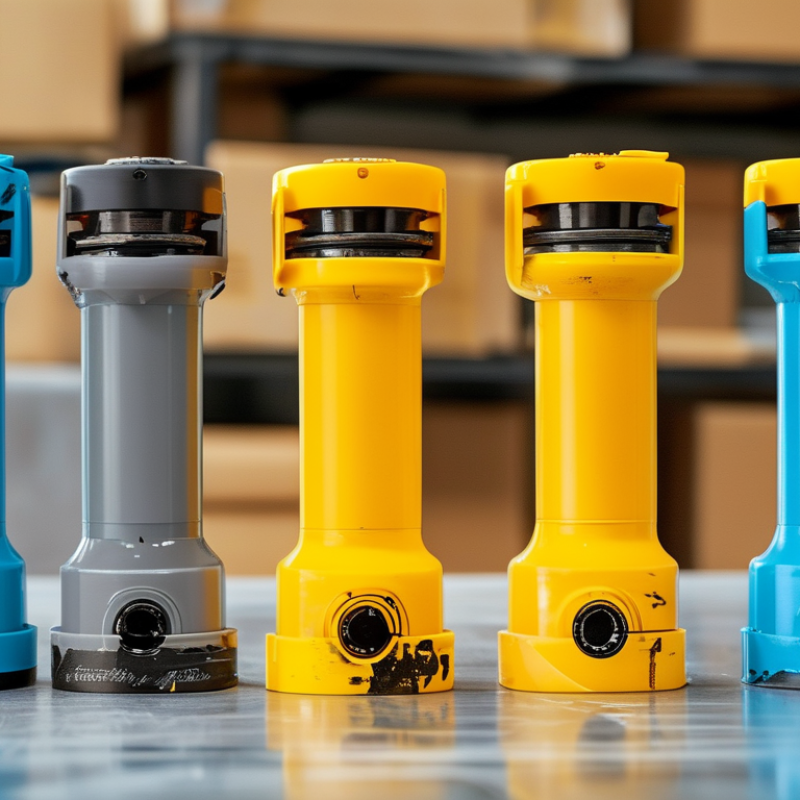
Tape applicators are essential in modern packaging, significantly enhancing efficiency. According to a recent industry report, over 75% of packaging-related injuries occur during manual taping processes. These injuries can slow down operations and lead to increased costs. Automating tape application reduces such risks and enhances productivity.
Many facilities leverage applicators to consistently apply tape. This not only streamlines the packaging process but also ensures secure closures. Research indicates that companies using tape applicators can cut packaging time by 50%. This statistic highlights the value of investing in such equipment. Packaging errors decrease as tape is applied uniformly and accurately.
However, there are challenges. Some businesses still rely on manual methods, which can lead to inconsistent results. Training employees on new applicators may take time. The initial investment can also be daunting for smaller companies. Yet, as many leaders in the industry point out, the long-term benefits often outweigh these initial hurdles. Understanding the importance of tape applicators can lead to better packaging solutions and increased profitability.

This chart illustrates the top 10 tape applicators based on their average application speed (meters per minute) and ease of use (rated from 1 to 10). These metrics highlight the importance of efficiency and user-friendliness in packing operations.
Choosing the right tape applicator can significantly enhance packaging efficiency. One crucial factor is the applicator’s speed. Studies indicate that automatic tape applicators can operate at speeds up to 30 packs per minute. This speed can dramatically reduce labor costs and time, particularly in high-volume settings.
Another important feature is versatility. A good tape applicator should handle different tape types, including polypropylene and paper tapes. According to recent industry data, 65% of businesses reported that flexibility in tape options improved their workflow. Tape width adjustment is also essential for accommodating various box sizes. Precise width settings can minimize tape waste, which is critical for cost management.
Durability plays a vital role too. Many users encounter machinery that fails under constant use. In fact, reports show that 40% of tape applicators need repairs within the first year. Users should look for robust materials and proven performance stats when evaluating options. Addressing these factors can lead to a more effective packaging solution.
When considering tape applicators, efficiency is key for packaging operations. Various models offer distinct features that cater to different packaging needs. Some machines excel in speed, applying tape swiftly to boxes. Others are designed for precision, ensuring clean, straight lines without waste. The choice depends on specific requirements, such as tape type and box size.
One unique feature to note is ease of use. Many applicators now include ergonomic designs. These designs reduce strain during prolonged use, making them suitable for high-volume tasks. However, not all machines achieve this balance. Some users find certain models bulky or challenging to maneuver. Understanding these nuances can lead to better purchasing decisions.
Durability is another crucial factor. Some applicators are built with robust materials to withstand daily use. They maintain consistent performance, even in demanding environments. Still, a few models might fall short and require frequent repairs. Being aware of these aspects aids in selecting the right tool for any packaging project.
| Model | Type | Max Tape Width | Application Speed | Unique Feature |
|---|---|---|---|---|
| Model A | Handheld | 2 inches | 10 inches/sec | Ergonomic design |
| Model B | Automatic | 1.5 inches | 15 inches/sec | Touchscreen control |
| Model C | Desktop | 3 inches | 20 inches/sec | Multi-tape compatibility |
| Model D | Semi-automatic | 2.5 inches | 12 inches/sec | Adjustable tension |
| Model E | Handheld | 2 inches | 8 inches/sec | Lightweight design |
| Model F | Automatic | 1.7 inches | 18 inches/sec | High speed operation |
| Model G | Desktop | 2.2 inches | 22 inches/sec | Compact footprint |
| Model H | Semi-automatic | 2.5 inches | 10 inches/sec | Easy to operate |
| Model I | Handheld | 1.8 inches | 9 inches/sec | Durable material |
| Model J | Desktop | 3 inches | 25 inches/sec | High volume production |
Choosing the right tape applicator is crucial for efficient packaging. Various models serve different needs. Assessing user requirements is key to making the right choice. Some users prioritize speed, while others look for ease of use. The most efficient applicators can cut packaging time in half, but they might lack versatility.
A detailed analysis reveals strengths and weaknesses among the top models. Some perform exceptionally in high-volume settings but are cumbersome for smaller tasks. Conversely, compact alternatives may struggle with durability under heavy use. Each user must reflect on their specific needs. Consider the frequency of use and the types of materials handled. This way, the selected tool aligns perfectly with operational demands.
User feedback often highlights these differences. Many appreciate how some models reduce fatigue during extended use. However, others note that not all applicators provide even tape distribution. This inconsistency can lead to waste. Users should weigh these factors when selecting their tools, ensuring they understand their environment and expectations.
Tape applicators are essential for efficient packaging solutions. To ensure their longevity, proper maintenance is crucial. Cleaning your tape applicator regularly helps prevent dust and adhesive buildup. Use a soft cloth to wipe down accessible parts. Schedule maintenance checks to catch potential issues early.
Tip: Always inspect the tape feed mechanism. A jammed tape can lead to frustration and wasted time. Be vigilant about the tape quality you use. Low-quality tape can damage the applicator in the long run.
Monitoring the usability of your machine is critical. Look for unusual noises or irregular functioning. These signs often indicate wear and tear. Ensure the applicator’s moving parts are well-lubricated. Proper lubrication can reduce friction and prolong the life of your equipment.
Tip: Keep a record of maintenance activities. Documenting issues and solutions helps track performance over time. This proactive approach can save costs on repairs. Always prioritize safe handling practices while operating the applicator.
Please share your email with us to see your results.