When considering the right "Low Flatbed Transport Semi-Trailer," buyers face a daunting array of choices. Selecting the ideal model demands insight and knowledge of existing options. Low flatbed trailers are integral for transporting heavy machinery, large goods, and oversized loads. Their design offers numerous advantages, such as ease of loading and unloading, making them a favorite among logistics companies.
However, making a choice based solely on price can lead to regrets. It's essential to consider factors like weight capacity, durability, and materials used in construction. Buyers may overlook crucial details like tire quality or suspension type. Such oversights can result in costly repairs or inefficiencies later on. Each of the top five models has unique features that cater to different needs. Understanding these differences will help buyers make informed decisions rather than impulsive ones.
Investing in a low flatbed transport semi-trailer requires thorough research. It's about balancing cost with quality and suitability for specific tasks. A strategic choice benefits operations in the long run.
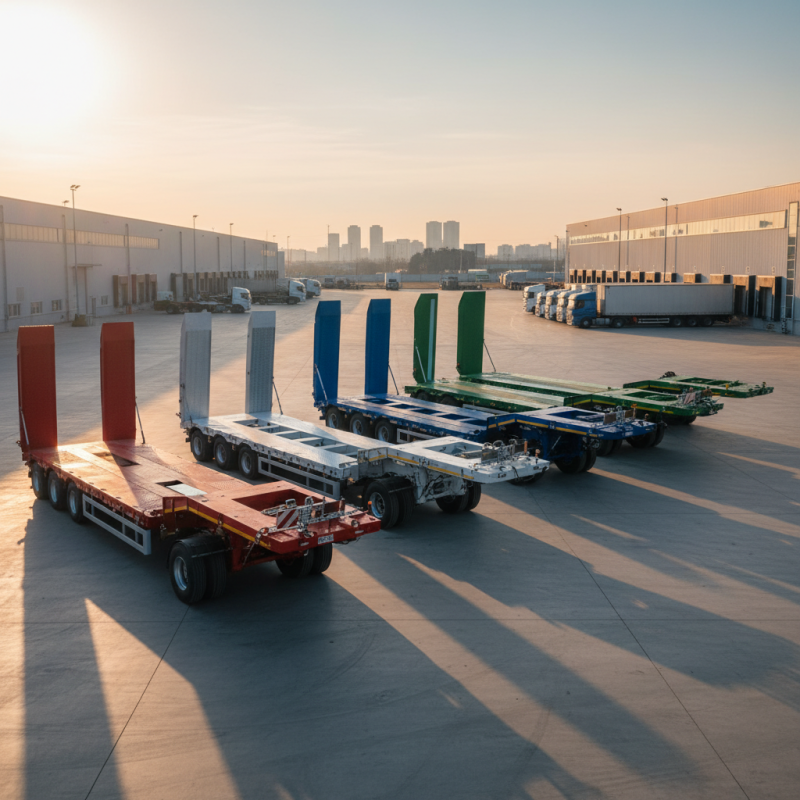
When selecting a low flatbed transport semi-trailer, buyers should think about several key factors. Cargo capacity is crucial. The trailer must support the weight and dimensions of the load. Overloading can lead to accidents or damage. Therefore, understanding the load requirements is essential.
Another important consideration is the trailer’s height. Low flatbed trailers are designed for easy loading and unloading. A lower deck height means that loading ramps or cranes are often unnecessary. This can improve efficiency. Moreover, the construction material of the trailer impacts its durability. Steel is common, but aluminum provides lighter options with good strength.
Finally, inspect the suspension system. A quality suspension absorbs shock and provides better vehicle stability. Poor suspension can lead to wear and tear on both trailer and cargo. It’s an aspect worth double-checking, as compromises here can lead to costly repairs later. Overall, thoughtful choices based on these considerations will enhance performance and safety.

Low flatbed transport semi-trailers are increasingly popular in the logistics sector. They typically provide a lower loading height, facilitating easier loading and unloading. This feature significantly benefits heavy haulage operations. According to industry research, nearly 35% of the logistics business relies on flatbed trailers due to their versatility.
Several types of low flatbed semi-trailers are available. The drop-deck trailer is one such option. It features a section that is lower than the front and rear. This design allows transport of taller cargo that may not fit on a standard trailer. Also, the multi-axle trailer emerges as a top choice, distributing weight effectively and ensuring stability. Research indicates that these trailers can carry loads up to 50,000 pounds safely.
The choice between these types can be challenging. Different regions have various regulations on dimensions and weights. Buyers must consider factors like load type, terrain, and distance. The wrong choice could lead to increased costs or logistical issues. Understanding these diverse options can pave the way for more efficient transport operations.
When selecting a low flatbed transport semi-trailer, certain features are paramount. The construction material plays a significant role in overall durability. Common options include steel and aluminum, each offering different benefits and drawbacks. Steel is robust but heavier. Aluminum is lighter and resists corrosion, which can be a game-changer for longevity.
Tip: Consider the weight capacity of the trailer. Ensure it meets your transport needs without adding unnecessary strain to your vehicle.
Another critical feature to inspect is the deck height. Low-profile designs generally offer easier loading and unloading. This can significantly enhance efficiency. However, lower heights may limit the types of loads you can carry. Be mindful of regulations regarding load height limits.
Tip: Analyze the suspension system as well. A good suspension reduces wear on both the trailer and your cargo. It provides better stability and safety during transport.
Choosing the right low flatbed trailer can be challenging. Balance is essential. You need to weigh the advantages of features against your specific operational needs. Making informed decisions now can save you hassles later.
When choosing low flatbed transport semi-trailers, a comparative analysis reveals key considerations. These trailers must provide reliability, strength, and versatility. Industry reports indicate that over 60% of fleet managers prioritize load capacity and durability. A robust design ensures cargo remains secure during transit. Many buyers overlook the intricacies of weight distribution, which can affect safety and performance.
Another vital aspect involves the materials used in construction. High-grade steel or aluminum enhances strength while minimizing weight. A recent study highlighted that lighter trailers can lead to fuel savings, with some fleets reporting a 15% reduction in fuel costs. However, potential buyers should reflect on their typical usage patterns. Not every scenario will justify the investment in lightweight options.
Lastly, features such as adjustable ride heights greatly contribute to operational flexibility. They can accommodate various cargo types. Yet, some users may not fully utilize these features, leading to underperformance in specific applications. Evaluating past experiences can help guide future decisions. By weighing these factors, buyers can make informed choices for their transport needs.
Investing in low flatbed transport solutions can significantly impact operational efficiency and overall costs. Industry reports indicate that companies often save up to 15% on transportation expenses when opting for low flatbed semi-trailers. This choice provides better loading options and lowers the center of gravity, improving transportation safety.
Choosing the right trailer is crucial. Look for options that maximize payload without compromising compliance with weight regulations. A high-quality low flatbed can handle diverse loads while reducing wear on the vehicle. Lowering your fleet's height can result in easier unloading and loading processes. However, not all low flatbeds are created equal. Some may lack durability or versatility, impacting long-term value.
Tip: Regularly evaluate your trailer's performance versus its cost to ensure you're maximizing your investment. Data from industry experts suggest conducting quarterly audits on trailer wear and efficiency. A well-maintained low flatbed can deliver significant ROI over time. Poor maintenance can lead to costly downtimes, which undermines potential savings. Choose wisely; it’s not just about upfront costs but overall effectiveness.
Please share your email with us to see your results.