Top Hydraulic Pumps for Global Buyers What to Consider?
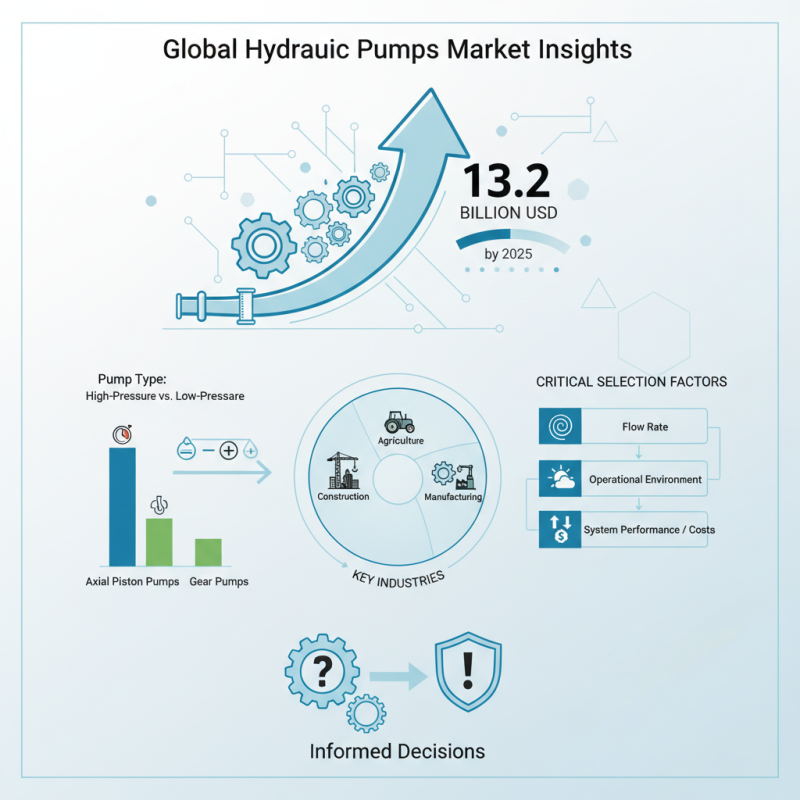
Hydraulic Pumps are essential components in various industries. They convert mechanical energy into hydraulic energy, making them crucial in construction, agriculture, and manufacturing. According to a report by MarketsandMarkets, the global hydraulic pumps market is expected to reach USD 13.2 billion by 2025, highlighting their growing importance.
Industry expert John Anderson, a leading engineer at Fluid Dynamics Corp, states, "Selecting the right hydraulic pump is critical for efficiency and longevity." This emphasizes the need for buyers to carefully consider specific factors such as pump type, flow rate, and operational environment. For instance, axial piston pumps are preferred in high-pressure applications, while gear pumps are often used in low-pressure scenarios.
Choosing the appropriate hydraulic pump can significantly impact system performance and operational costs. Buyers must navigate various options and specifications to meet their unique requirements. It is not uncommon for organizations to overlook the implications of pump selection, leading to inefficiencies. Understanding these aspects is vital for making informed purchasing decisions in the hydraulic pumps industry.
Key Features to Look for in Hydraulic Pumps
When selecting hydraulic pumps, it’s essential to focus on key features that define their performance. One critical aspect is the pump’s flow rate. This determines how much fluid the pump moves in a given time. A higher flow rate will enhance efficiency but may increase energy consumption.
Additionally, consider the pressure rating of the hydraulic pump. This specification indicates the maximum pressure the pump can handle before potential failure. For applications requiring high pressure, opt for pumps designed for such demands. Remember, a mismatch between the pump’s capabilities and the application's requirements can lead to inefficiency or damage.
**Tips:** Always assess the application needs before making a choice. Failing to do so can result in purchasing the wrong pump. Another important factor is the material used in the pump’s construction. Quality materials can ensure durability, particularly in harsh environments. However, be cautious as higher durability often comes with increased costs. Evaluate whether the investment is justifiable for your specific needs.
Top Hydraulic Pumps Features Comparison
Types of Hydraulic Pumps: An Overview
Hydraulic pumps play a crucial role in various industries, from construction to manufacturing. Understanding their types can aid global buyers in making informed decisions. There are primarily two categories of hydraulic pumps: dynamic and positive displacement pumps. Dynamic pumps, such as centrifugal types, rely on the kinetic energy of fluids. They are suitable for high flow rates but less effective under high pressure.
Positive displacement pumps, on the other hand, offer consistent flow regardless of pressure fluctuations. Subtypes include gear, vane, and piston pumps. Gear pumps excel in low-viscosity applications. Piston pumps are renowned for their high efficiency and pressure capabilities, often exceeding 6000 psi in industrial settings. According to recent reports, the global hydraulic pump market is projected to reach $45 billion by 2025, driven by increasing demand for automation.
Selecting the right hydraulic pump is no small task. Buyers must consider fluid viscosity, operating pressure, and application specificity. Misjudging these aspects can lead to performance issues, possibly resulting in costly downtime. Industry experts suggest thorough evaluations before purchasing. Equipped with knowledge, buyers can navigate diverse options and ensure optimal performance.
Factors Influencing Hydraulic Pump Performance
When selecting hydraulic pumps, several factors greatly influence their performance. One key aspect is the pump type. Hydraulic pumps come in various designs, such as gear, piston, and vane pumps. Each has unique characteristics that affect efficiency and output. Understanding these distinctions is crucial for long-term performance and reliability.
Another important consideration is the fluid viscosity. The hydraulic fluid's thickness impacts how the pump operates. High-viscosity fluids can lead to more wear and tear on pump components. This might result in decreased efficiency and potential failures. It requires a careful balance to ensure optimal performance.
System pressure and flow rate are also critical. High-pressure systems need pumps designed to handle intense stress. Meanwhile, flow rate determines how much work a pump can do in a specific time. Achieving the right match between these elements can be tricky, as undersizing the pump may lead to inadequate power for the application. Each decision influences the overall efficiency and durability of the hydraulic pump.
Global Market Trends in Hydraulic Pump Industry
The hydraulic pump industry is changing rapidly. Global market demands are shifting. Rising energy costs and sustainability are major factors. Companies are now focusing on energy-efficient designs. This shift makes it crucial for buyers to stay informed.
Emerging markets, especially in Asia, are seeing significant growth. The demand for hydraulic pumps in construction and agriculture is on the rise. Manufacturers are exploring new technologies to meet these needs. Integration of IoT and automation can be a game changer. However, not all regions will adapt at the same pace.
Quality and reliability remain top priorities. Buyers must ensure that products meet international standards. Unexpected failures can lead to costly downtimes. Some manufacturers struggle with quality control. It's essential to conduct thorough research before purchasing. This includes understanding local market trends and potential long-term impacts. Ultimately, making informed choices will benefit operations.
Top Hydraulic Pumps for Global Buyers: What to Consider? - Global Market Trends in Hydraulic Pump Industry
| Pump Type | Maximum Pressure (bar) | Flow Rate (L/min) | Efficiency (%) | Weight (kg) | Applications |
| Gear Pump | 200 | 10 | 85 | 15 | General hydraulics |
| Piston Pump | 400 | 20 | 90 | 30 | Heavy machinery |
| Vane Pump | 150 | 15 | 80 | 20 | Agricultural equipment |
| Diaphragm Pump | 100 | 5 | 75 | 12 | Chemical processing |
| Hydraulic Screw Pump | 250 | 25 | 88 | 35 | Oil and gas |
Safety and Maintenance Considerations for Hydraulic Pumps
Hydraulic pumps play a critical role in many applications. Ensuring safety and proper maintenance is essential for their optimal performance. Regular inspection of the hydraulic system helps identify potential issues early. Check for leaks, unusual noises, or pressure drops. These signs can indicate a problem that requires immediate attention.
Maintenance routines should include fluid level checks and filter replacements. Contaminated fluid can damage the pump and affect performance. Additionally, proper training for operators is crucial. They must understand the specific operating requirements and safety protocols. Misuse can lead to accidents or equipment failure.
Consider implementing a schedule for routine maintenance. This can reduce unexpected downtime and repair costs. Keep detailed records of all maintenance activities. Documentation helps ensure compliance with safety regulations. Reflect on your existing practices. Are they sufficient for maintaining safety and reliability? Adjustments may be necessary to enhance efficiency.