In the ever-evolving landscape of material handling, the importance of a reliable Forklift Traction Battery cannot be overstated. These batteries power the forklifts that keep industries moving, from warehouses to construction sites. With the growing global demand, China's role as a supplier has become prominent.
Chinese manufacturers are known for their innovation and efficiency in producing high-quality forklift traction batteries. They offer a variety of options tailored to different operational needs. However, not all suppliers are equal. It is crucial for global buyers to assess their choices carefully.
Some suppliers boast impressive capabilities but may lack consistent product quality. Others might have strong reputations yet struggle with customer service. It’s essential to seek suppliers with proven track records and positive reviews. In this competitive arena, understanding the nuances of these suppliers can lead to better purchasing decisions and enhanced operational efficiency.
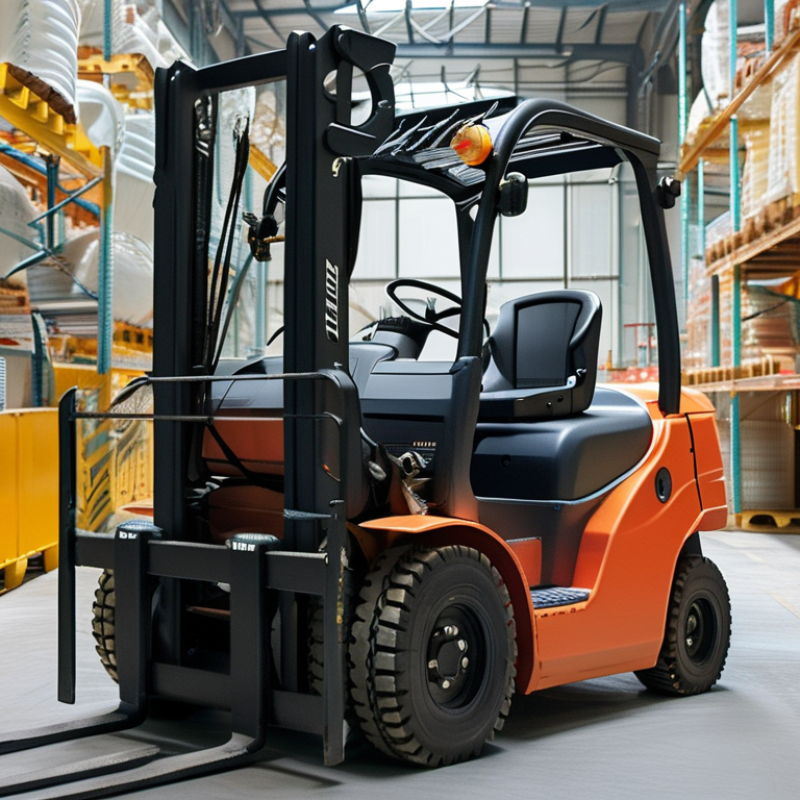
Forklift traction batteries are essential for the efficient operation of electric forklifts. These batteries provide the necessary power for lifting and moving heavy loads. Their performance is crucial in industries such as warehousing, logistics, and manufacturing. A well-functioning battery can enhance productivity and minimize downtime. Choosing the right traction battery can lead to substantial operational benefits.
The lifecycle and reliability of forklift batteries are significant considerations. Quality batteries can endure thousands of charge cycles. They should withstand harsh working conditions. However, not all batteries perform the same. Some may lose capacity quickly, which can lead to unexpected costs. It's important to evaluate suppliers based on their experience and technical specifications.
Moreover, understanding energy efficiency in batteries contributes to sustainability goals. Companies are increasingly looking for solutions that reduce their carbon footprint. This creates a market demand for high-quality, efficient products. Buyers must navigate through various options, balancing cost with performance. Finding reliable suppliers is a critical step in this process.

China's forklift traction battery market has become increasingly vital for global buyers. The nation is recognized for its high-quality manufacturing and competitive pricing. According to a recent industry report, the global forklift battery market is expected to reach $12 billion by 2025, largely driven by demand from China.
Leading manufacturers in China focus on advanced technologies. Many facilities utilize automated processes to enhance efficiency. Some companies have started adopting lithium-ion technology. This type of battery offers faster charging and a longer lifecycle. Data suggests that lithium-ion batteries can reduce operational costs by up to 30% compared to traditional lead-acid batteries.
Tips: When sourcing batteries, evaluate suppliers’ certifications. Look for ISO and other relevant certifications. Quality assurance is paramount for operational safety. Additionally, consider production capacity to ensure timely deliveries. Collaborating with experienced suppliers can streamline your procurement process significantly.
When evaluating forklift battery suppliers in China, several key criteria stand out. The first aspect is quality assurance. Reliable suppliers prioritize quality control throughout production. According to industry reports, approximately 80% of forklift battery failures are linked to poor manufacturing practices. Suppliers should provide certifications and testing data to ensure compliance with international standards.
Another crucial aspect is the range of products offered. Suppliers with diverse battery options allow buyers to find the right fit for their specific needs. A wide selection may include different voltages and capacities. Industry studies indicate that businesses often optimize performance by choosing tailored battery solutions.
Additionally, consider customer support and after-sales service. Effective communication and timely assistance enhance overall satisfaction. Suppliers that offer robust support systems tend to outshine others. An effective warranty can also be a deciding factor. Buyers should expect transparency regarding warranty terms and conditions. Seeking suppliers that demonstrate these qualities can lead to better purchasing decisions in the global market.
| Supplier Criteria | Rating (out of 5) | Average Delivery Time (Days) | Product Range | Warranty Period (Years) |
|---|---|---|---|---|
| Quality of Batteries | 4.5 | 30 | Lead-acid, Lithium-ion | 2 |
| Customer Service | 4.2 | 25 | Lead-acid, Lithium-ion, Gel | 3 |
| Technical Support | 4.0 | 35 | Lithium-ion, Nickel-Cadmium | 4 |
| Pricing Competitiveness | 3.8 | 20 | Lead-acid, Lithium-ion | 2 |
| Sustainability Practices | 4.1 | 40 | Lithium-ion, Green Technology | 5 |
The global demand for forklift batteries has seen significant growth in recent years. As companies seek efficient logistics solutions, the need for reliable battery suppliers is vital. Chinese suppliers have emerged as key players in this market. Their production capabilities and cost-effectiveness attract international buyers.
Many Chinese manufacturers focus on advanced technologies to enhance battery life and performance. Innovations such as lithium-ion technology are redefining industry standards. However, buyers should be cautious. Not all suppliers meet global quality standards. Researching a supplier’s track record is essential.
Market trends indicate a greater push for sustainability. Manufacturers are increasingly investing in greener technologies. Buyers will benefit from understanding these trends. It allows for informed decisions when choosing a supplier. The landscape is competitive, yet many companies struggle with quality assurance. This uncertainty highlights the importance of due diligence in supplier selection.
In recent years, many international companies have turned to Chinese forklift traction battery suppliers. Their technical expertise and competitive pricing attract global buyers. The partnerships often lead to increased operational efficiency and reduced costs. A European logistics company, for example, found significant savings by sourcing batteries from a Chinese manufacturer. They reported performance improvements in warehouse operations.
However, not every partnership has gone smoothly. Some companies faced challenges in quality control and communication. A North American firm initially struggled with battery reliability. They later improved by establishing clear guidelines and regular check-ins with their Chinese partner. This case highlights the importance of ongoing collaboration and adjustment.
Successful partnerships also require a mutual understanding of market demands. Asian suppliers are often responsive to changes in technology and customer needs. One global buyer adapted their designs based on feedback from their supplier. This adaptability creates value for both parties. Such case studies demonstrate that while challenges exist, the benefits of partnering with experienced Chinese suppliers can be substantial.
Please share your email with us to see your results.