Choosing the right Flaking Mill can influence product quality, energy use, maintenance costs, and production reliability. This matters when processing soybeans, corn, grains, or other oil-bearing materials. A well-designed machine should produce consistent flakes without creating excessive fines, heat, or unexpected downtime. Small details matter. Roll diameter, surface hardness, gap adjustment, feed control, and drive capacity all affect daily performance.
This guide, titled Top 10 Flaking Mill Manufacturers for Global Buyers, examines manufacturers through practical purchasing criteria. It considers engineering experience, manufacturing capability, technical documentation, service coverage, spare-parts access, and equipment customization. Buyers should also review throughput claims under real operating conditions, rather than relying only on impressive catalogue figures. A mill rated for 10 tonnes per hour may perform differently with varying moisture, density, or feed preparation. Plant-floor realities can be less attractive.
Safety systems, inspection procedures, warranty terms, and commissioning support also deserve close attention. A dependable supplier should explain how operators adjust roll pressure, monitor temperature, and manage routine wear. Clear answers build confidence. However, no ranking remains permanently correct. Prices, technologies, regional support, and delivery conditions can change quickly. Some smaller manufacturers may offer excellent engineering but limited overseas service. Larger brands may provide stronger support while costing more. Global buyers should compare these trade-offs against their own production goals, site conditions, and long-term maintenance plans. This overview is a useful starting point, not a substitute for technical validation, reference checks, and a carefully reviewed quotation.
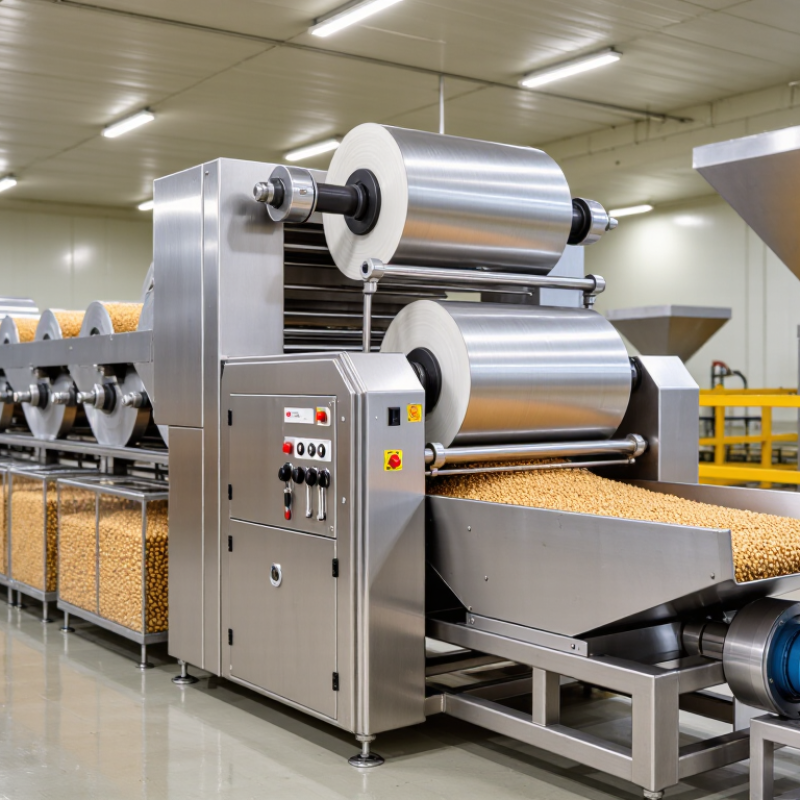
A flaking mill is industrial equipment that prepares oilseeds for efficient oil extraction. It commonly processes soybeans, sunflower seeds, rapeseed, and similar materials. The machine uses two large counter-rotating rollers. These rollers compress cleaned and conditioned seeds into thin, even flakes. Heat and controlled moisture make the seeds more flexible before rolling. This reduces breakage and exposes more cellular structure.
Small changes matter.
In practical plant operation, roller pressure, feed rate, temperature, and moisture require close monitoring. A typical flake may measure less than one millimeter, depending on the seed and process design. Excessive pressure can create powder and increase energy use. Insufficient pressure leaves thick pieces that extract poorly. Operators should inspect flake thickness regularly, not rely only on control screens. Worn roller surfaces can produce uneven results, even when settings appear correct. Cleaning also matters because dust and residue can affect feeding stability. Some buyers focus heavily on hourly capacity. That choice can be misleading. A larger mill may perform poorly with the wrong seed preparation or unstable moisture levels. Reliable evaluation should include trial materials, adjustment range, maintenance access, and measured flake quality. The process is precise, but not perfectly predictable. Crop variety and seasonal condition still influence performance.
An anonymized comparison of representative global flaking-mill manufacturer profiles, typical equipment capabilities, and buyer-relevant specifications.
| Rank | Anonymized Manufacturer Profile | Primary Manufacturing Region | Main Machine Configuration | Typical Roller Diameter | Typical Roller Width | Typical Throughput Range | Common Applications | Key Buyer Considerations |
|---|---|---|---|---|---|---|---|---|
| 1 | Profile A — Integrated Oilseed Processing Systems | Western Europe | Heavy-duty twin-roll flaking mill with hydraulic roll adjustment | 600–1,200 mm | 800–2,000 mm | 5–40 t/h | Soybeans, rapeseed, sunflower seed, corn | Consistent flake thickness, automatic gap control, high uptime |
| 2 | Profile B — Modular Grain Processing Equipment | North America | Compact dual-roll mill for oilseed and cereal preparation | 500–1,000 mm | 600–1,600 mm | 3–30 t/h | Soybeans, peas, barley, wheat, corn | Ease of installation, accessible maintenance points, flexible sizing |
| 3 | Profile C — High-Capacity Asian Process Line Supplier | East Asia | Large-diameter flaking mill integrated with preheating and conditioning | 800–1,500 mm | 1,000–2,500 mm | 10–60 t/h | Soybean, rapeseed, sunflower seed, feed grains | Large-scale production, energy consumption, spare-roll availability |
| 4 | Profile D — European Specialty Oilseed Machinery Builder | Central Europe | Precision twin-roll mill with hardened chilled-steel rolls | 500–1,200 mm | 700–1,800 mm | 4–35 t/h | Soybeans, canola, sunflower seed, specialty seeds | Roll hardness, product temperature control, low fines generation |
| 5 | Profile E — Feed and Grain Equipment Manufacturer | Northern Europe | Medium-capacity flaking mill for feed and grain plants | 400–900 mm | 500–1,500 mm | 2–25 t/h | Barley, oats, corn, wheat, peas | Feed-quality consistency, cleaning access, integration with steam conditioning |
| 6 | Profile F — Turnkey Oil Extraction Plant Integrator | South Asia | Flaking mill supplied as part of a complete oilseed preparation line | 500–1,000 mm | 600–1,800 mm | 5–35 t/h | Soybeans, groundnuts, sunflower seed, sesame | Turnkey engineering, local service support, project lead time |
| 7 | Profile G — Cost-Optimized Industrial Mill Supplier | East Asia | Standard two-roll mill with mechanical or hydraulic adjustment | 400–1,000 mm | 500–1,600 mm | 2–30 t/h | Soybeans, corn, wheat, barley, oilseeds | Initial investment, electrical compatibility, commissioning support |
| 8 | Profile H — Compact Processing Machinery Specialist | Southeast Asia | Small-footprint flaking mill for decentralized and mid-sized plants | 300–700 mm | 400–1,200 mm | 1–15 t/h | Corn, rice, soybeans, cassava, feed grains | Limited-floor-space installation, simple operation, regional parts supply |
| 9 | Profile I — Heavy Engineering and Custom Fabrication Group | Eastern Europe | Custom-built industrial mill with reinforced frame and roll bearings | 600–1,400 mm | 800–2,200 mm | 6–50 t/h | Oilseeds, corn, wheat, feed ingredients | Customization, structural durability, foundation and installation requirements |
| 10 | Profile J — Regional Grain and Oilseed Machinery Producer | Latin America | Medium-to-large flaking mill for soybean and feed processing | 500–1,200 mm | 600–2,000 mm | 4–45 t/h | Soybeans, corn, sunflower seed, animal-feed grains | Local technical service, climate suitability, operator training |
A flaking mill is an industrial machine that passes conditioned grain or oilseed between two counter-rotating rolls. The rolls apply compression and shear, reducing the material into thin flakes. In oilseed preparation, flaking increases surface area and improves heat and solvent penetration before pressing or extraction.
Actual throughput, flake thickness, motor power, and roll dimensions depend on the raw material, moisture content, conditioning temperature, target product, and required production rate. The values shown above are typical equipment ranges rather than verified company-specific quotations.