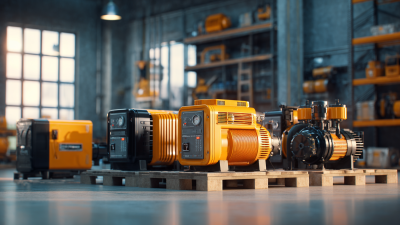
China Top Compressors Suppliers for Global Buyers
China has become a major sourcing base for compressors used in refrigeration, air conditioning, manufacturing, energy, and transport. Global buyers often value its broad supplier network, competitive pricing, and expanding engineering capabilities. However, a polished catalog does not always reveal production quality.
This guide examines leading China compressors suppliers for international purchasing teams. It focuses on practical factors, including compressor type, cooling capacity, energy efficiency, materials, noise levels, and expected service life. Buyers can compare rotary, scroll, screw, piston, and centrifugal solutions more clearly. Technical details matter.
Supplier evaluation also requires evidence. Look for factory experience, quality management systems, product testing records, export history, and responsive after-sales support. Certifications should match the destination market and the intended application. Independent inspections can confirm whether factory conditions match online claims.
Small details often expose larger risks. Ask about oil selection, seal durability, vibration control, spare parts, and operating temperatures. Request performance data under realistic working conditions. A supplier may quote impressive efficiency figures under ideal laboratory settings. Actual results can differ.
No supplier is perfect. Some public information may be incomplete or outdated. This guide therefore encourages direct verification, sample testing, and careful contract review. Experienced buyers should assess total ownership cost, not only the initial price. Freight, installation, maintenance, energy consumption, and downtime can change the final decision.
The goal is not to promote one factory blindly. It is to help global buyers identify capable partners, ask better questions, and select compressors with dependable long-term value. Practical judgment remains essential.
Types of Compressors Supplied by Chinese Manufacturers
China Top Compressors Suppliers for Global Buyers
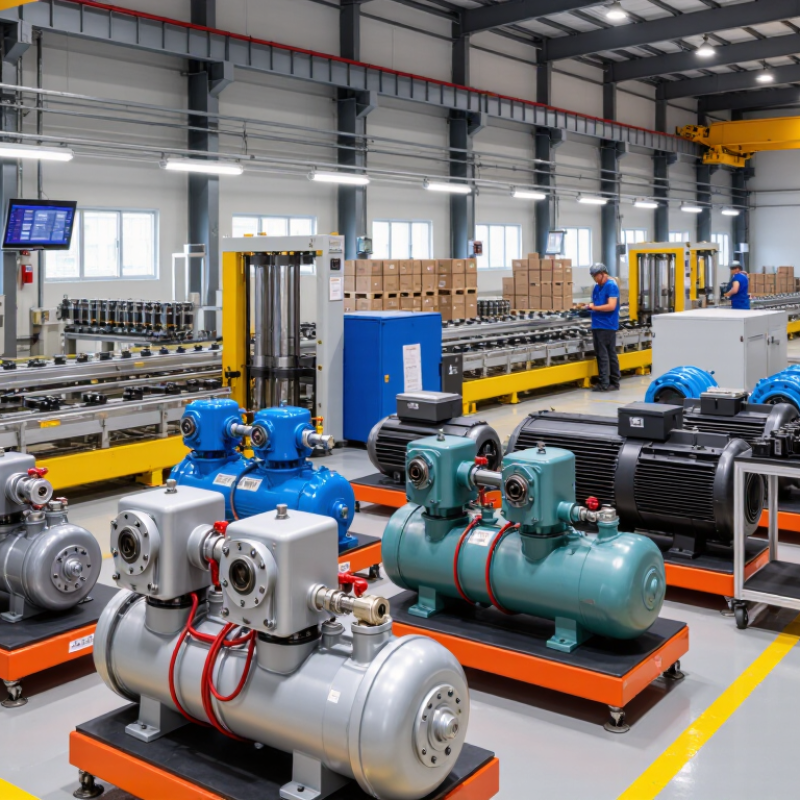
Chinese manufacturers supply a broad range of compressors for factories, workshops, refrigeration systems, and process plants. Reciprocating compressors suit intermittent, high-pressure duties. Their piston design is familiar to maintenance teams. Rotary screw compressors provide steady airflow for production lines. They often support pneumatic tools, packaging machines, and automated equipment.
Scroll compressors operate quietly and produce limited vibration. They are common in medical, laboratory, and climate-control applications. Centrifugal compressors serve large facilities that need high air volume. Diaphragm compressors help isolate gas from lubricants. Oil-free and oil-injected models are also available. The correct choice depends on pressure, flow, operating hours, and air cleanliness.
Experienced buyers should request performance curves, material details, noise data, and test records. A compressor rated at 8 bar may not maintain that pressure under full demand. Small pipe losses can become expensive. Ask suppliers to clarify duty cycles, ambient temperature, service intervals, and spare-part availability. Factory inspection can reveal wiring quality, seal protection, and assembly consistency. A low purchase price can mislead. Energy use may dominate the total cost. Some specifications still require careful verification, especially when translations are unclear. A practical trial under real load is often more useful than a polished catalogue.
China Top Compressors Suppliers for Global Buyers
Typical discharge-pressure ranges of compressor types commonly supplied by Chinese manufacturers
Reciprocating compressors provide the widest pressure range and are widely used for high-pressure gas, process, and industrial applications. Screw compressors are common in factory air systems, while centrifugal, scroll, and rotary-vane compressors are typically selected for specific flow, noise, efficiency, and maintenance requirements. The ranges shown are indicative engineering ranges and vary by configuration, cooling method, and application.
Key Features to Evaluate in a Compressor Supplier
A dependable compressor supplier should be evaluated beyond price and catalog specifications. Real operating conditions matter more than impressive claims. Ask for tested flow rates, discharge pressure, power consumption, and noise data. These figures should match your required duty cycle, ambient temperature, and installation altitude. A compressor that performs well in a showroom may struggle in a dusty workshop.
Material quality also deserves close attention. Check the grade of pressure-bearing components, seals, coolers, and electrical parts. Request inspection records, factory test reports, and traceable quality documents. Clear documentation shows professional control. It also makes future maintenance easier. Ask whether the supplier follows recognized safety and manufacturing standards for your destination market.
Service capacity often separates a useful supplier from a temporary seller. Review spare-parts availability, response times, warranty conditions, and technician training. Request customer references from similar industries. Speak with them directly, if possible. A supplier should explain maintenance intervals without hiding difficult details. I have found that vague answers usually create expensive delays later. Still, no checklist is perfect. Energy estimates can change after installation, especially when air leaks remain unnoticed. Ask for commissioning support and performance verification at the actual site. You may need to revise your original requirements. That is not failure; it is responsible purchasing.
Quality Standards, Certifications, and Export Compliance
When global buyers compare China compressor suppliers, quality evidence matters more than attractive factory photos. Reliable manufacturers should explain their quality system, inspection stages, and corrective actions. ISO 9001 supports process control, but it does not guarantee every compressor performs well. Ask for recent test reports covering pressure, airflow, noise, vibration, and energy use. Request serial-number traceability. That detail is easy to overlook.
Export compliance depends on the destination market and compressor application. A supplier should identify required marks, technical files, customs documents, and country-of-origin information. For European shipments, pressure equipment classification and conformity documents require careful review. For North American projects, electrical safety requirements may differ by voltage and installation. Do not accept copied certificates with unclear scope, expired dates, or mismatched model numbers. Weak paperwork creates expensive delays.
Tips: Compare the certificate holder, factory address, product model, and validity date. Match the nameplate with the quotation and test report. Confirm voltage, frequency, plug type, spare parts, manuals, and warranty terms before payment. Ask for packing photos and export documents before shipment. Keep written answers. They protect both sides when specifications change. One practical weakness remains: some suppliers provide technically correct documents but explain them poorly. A careful buyer should test communication, not only machinery.
How Global Buyers Can Select and Purchase Compressors from China
Selecting a compressor from China starts with the air requirement, not the supplier’s lowest quotation.
Define pressure, flow, duty cycle, ambient temperature, voltage, and installation conditions. A workshop needing 7 bar air for intermittent tools should not automatically buy a continuous-duty industrial unit. That mistake is common.
The U.S. Department of Energy’s Compressed Air System Sourcebook reports that compressed air can consume about 10% of industrial electricity. It also notes that leakage may waste 20–30% of compressor output. Buyers should therefore compare energy performance, not only purchase price. Ask for measured flow data, motor efficiency information, noise levels, and service intervals. Request testing under stated conditions. A neat brochure is not test evidence.
Before ordering, check the factory’s quality procedures, production records, inspection equipment, and export experience. Confirm applicable electrical and pressure-safety requirements for the destination country. Review ISO certificates carefully; verify their scope and validity with the issuing body. Specify packaging, spare parts, warranty response times, and remote troubleshooting in the contract. A pre-shipment inspection should record serial numbers, pressure readings, vibration, and operating temperature. Keep a small doubt. Rated performance can change after installation, especially with poor ventilation or voltage fluctuations. The best purchasing decision leaves room for technical review, independent inspection, and realistic maintenance planning.