As we look ahead to 2026, the landscape of Casting Components is set to undergo significant transformations. The demand for innovative casting component solutions continues to rise due to technological advancements and industry pressures. Manufacturers are increasingly focusing on sustainable practices and lightweight materials. These shifts play a crucial role in shaping the future of casting components.
A deeper dive into the trends reveals the growing emphasis on automated processes. Automation not only boosts efficiency but also enhances precision in casting. Yet, this transition raises questions about workforce skills and training requirements. Additionally, the shift towards 3D printing technologies in casting holds promise but requires careful evaluation of material performance and cost-effectiveness.
It’s essential to acknowledge the challenges that lie ahead. The integration of new technologies will necessitate robust testing and quality assurance. As industries adapt, the reliability of casting components must be prioritized. Keeping an eye on these trends will help stakeholders navigate the complexities of the casting component industry in the years to come.
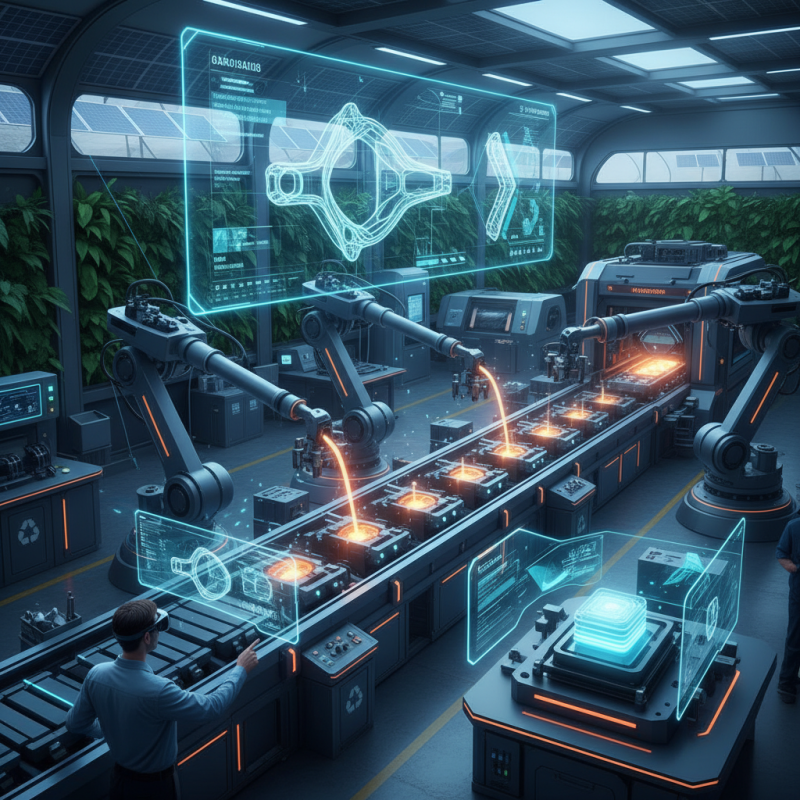
Emerging materials are set to revolutionize casting components by 2026. As industries evolve, so do the materials that support them. Innovative alloys, such as magnesium and aluminum, will gain popularity for their lightweight properties and strength. These materials can reduce energy consumption in manufacturing. Sustainability is driving the demand for recycled metal components too.
Tips: Consider the environmental impact when choosing materials. Look for options that not only meet performance standards but also promote eco-friendliness.
3D printing is also shaping the future of casting. It allows for complex geometries that traditional methods cannot achieve. This technology will enhance efficiency and reduce material waste. However, challenges in scalability and material properties must be addressed.
Tips: Assess the compatibility of 3D printed components with existing systems. Testing is crucial to ensure reliability and longevity.
Another trend is the integration of smart materials into casting components. These materials can adapt to changing conditions, improving performance. While promising, the understanding of their long-term effects is still developing. Further research is needed to maximize their potential in real-world applications.
| Trend | Emerging Materials | Applications | 2026 Impact |
|---|---|---|---|
| Sustainable Casting | Recycled Aluminum Alloys | Automotive Components | Reduced carbon footprint |
| High-Performance Alloys | Titanium Alloys | Aerospace Parts | Enhanced durability and weight reduction |
| Digital Manufacturing | 3D Printed Materials | Custom Tooling and Prototypes | Shortened lead times and design flexibility |
| Smart Manufacturing | Sensor-Embedded Materials | Monitoring Systems in Equipment | Predictive maintenance and quality control |
| Nanomaterials | Carbon Nanotubes | Lightweight Structures | Improved mechanical properties and thermal resistance |

Additive manufacturing (AM) is transforming the casting industry with innovative technologies. In 2026, we expect significant advancements in methods like binder jetting and powder bed fusion. These processes enhance design flexibility and material efficiency, allowing for more complex geometries. According to a report by ResearchAndMarkets, the global additive manufacturing market is projected to reach $76 billion by 2026.
Current applications are demonstrating tangible benefits. For example, companies recently reported a 30% reduction in material waste using these new methods. Smaller batches can be produced more efficiently, which supports just-in-time manufacturing. However, challenges remain. The learning curve for integrating AM into traditional workflows can be steep. Industries might face resistance due to outdated practices or concerns about quality consistency.
Emerging materials are also crucial. The recent introduction of metal alloys specifically designed for AM opens new possibilities for durability and performance. Yet, questions about compatibility with existing casting methods often arise. Understanding fully how these materials perform over time is still a work in progress. As the industry evolves, setting standards will be essential for ensuring quality and reliability in additive manufacturing applications.
The production of casting components is undergoing a significant transformation due to sustainability trends. By 2026, organizations are expected to prioritize eco-friendly practices. According to a report by the Global Casting Industry Association, more than 70% of foundries plan to implement sustainable materials. This shift is attributed to growing regulatory pressures and consumer demand for greener products.
Recycling is becoming a key focus. The same report indicates that utilizing recycled metals can reduce carbon emissions by up to 60%. Yet, many companies struggle with integrating these practices into their operations. Limited access to recycling technologies and inconsistent material quality remain challenges. Despite these hurdles, the pursuit of sustainability provides a unique opportunity for innovation.
Supplier partnerships are also evolving. The industry is witnessing a rise in collaborations aimed at developing more sustainable processes and materials. It’s crucial for businesses to adapt quickly to these changes. An estimated 40% of companies report difficulties in sourcing sustainable materials. As the landscape shifts, staying informed and adaptable will be vital for success in casting component production.
This chart illustrates the projected trends in sustainable practices impacting casting component production by 2026. The focus areas include recycling, material innovation, energy efficiency, and waste reduction.
The integration of smart technologies into casting processes is transforming the manufacturing landscape. As we look towards 2026, the adoption of automation and data analytics is becoming more prominent. Factories are using IoT devices to monitor conditions in real-time. This approach allows for quick adjustments, enhancing both efficiency and quality.
Advanced software works alongside traditional methods. Machine learning algorithms analyze data trends, predicting failures before they happen. This predictive maintenance reduces downtime significantly. However, not every facility is prepared to implement these changes. Some still rely heavily on manual processes, which can lead to inconsistencies in production quality.
Additionally, the human element remains crucial. Workers need training to operate new technologies effectively. A gap in skills can hinder progress. Companies must balance adopting innovation with ensuring their workforce is equipped for the future. The shift toward smart technologies is not just about mechanics; it’s also about cultivating a knowledgeable team. Only then will they truly harness the full potential of these advancements in casting processes.
In 2026, the casting component market is set to undergo dramatic shifts. Market demand is influencing designs significantly. Industries are prioritizing lightweight materials without compromising strength. This shift can lead to reduced production costs and enhanced energy efficiency.
New technologies are driving innovation. Advancements in 3D printing enable complex geometries in casting. This means more intricate designs can be produced quickly. However, there are challenges in quality control and material consistency. Industries need to focus on these aspects to fully exploit new technologies.
**Tip:** Always assess material properties before finalizing designs. Testing prototypes for performance can save costs later.
Sustainability is another driving factor. Eco-friendly materials are gaining traction in casting design. There’s a growing pressure to reduce waste. Companies must rethink their approaches to become more sustainable.
**Tip:** Regularly evaluate your supply chain for sustainable options. Engaging with suppliers can uncover new environmentally friendly materials.
Please share your email with us to see your results.