Top 10 Benefits of Using Blind Flanges for Your Projects?
The use of Blind Flanges in construction and industrial applications has gained significant attention in recent years. According to a report by the American Society of Mechanical Engineers (ASME), blind flanges contribute to system integrity and leak prevention, significantly impacting maintenance costs. Expert James Harrington, a seasoned professional in piping systems, emphasizes, "Blind flanges are essential for ensuring safety and efficiency in pressure applications."
Blind flanges offer numerous benefits. They provide a reliable way to seal the ends of pipes, helping to maintain system pressure. This is crucial for industries where leaks could lead to hazardous situations or costly downtime. Additionally, blind flanges are versatile, fitting various pipe sizes and materials, effectively supporting any project. However, not all projects may require them, and careful consideration is needed to evaluate their necessity.
Understanding the potential drawbacks is also important. Blind flanges can increase installation time and costs if not properly assessed for each project. Each situation is unique, and the decision to use them should be based on a thorough evaluation of specific needs and conditions. Proper expertise in choosing materials and sizes ensures that blind flanges serve their intended purpose effectively.
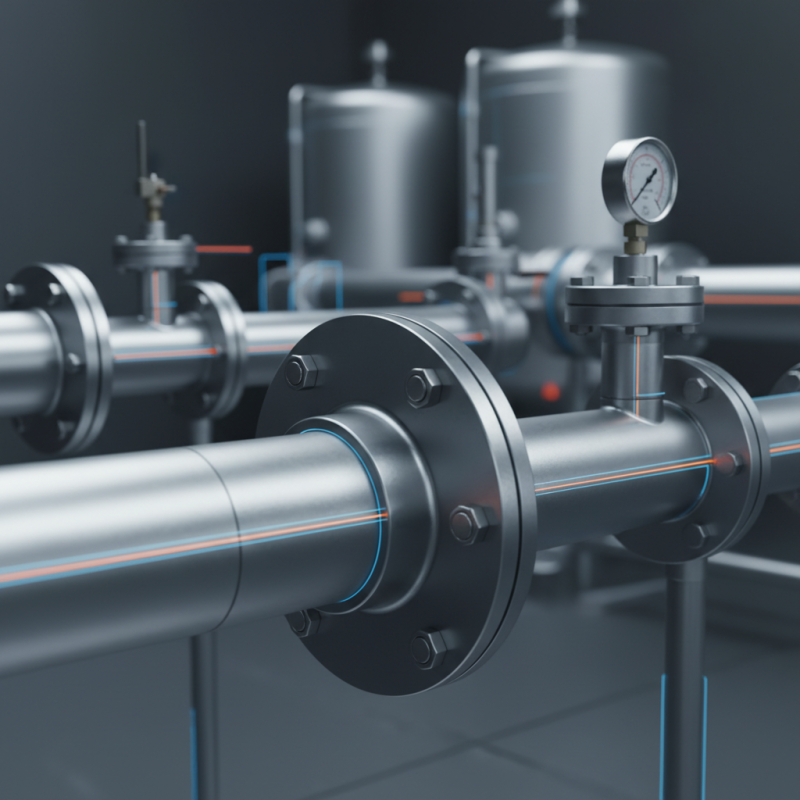
Top Advantages of Blind Flanges in Industrial Applications
Blind flanges are essential components in many industrial applications. They serve to seal pipe ends, providing a barrier against leaks and contaminants. This functionality is critical in maintaining system integrity. Blind flanges also allow for easy access during maintenance without disrupting the entire infrastructure.
One major advantage is their ability to withstand high pressure. In industries such as oil and gas, this is vital. When selecting a blind flange, ensure it meets specific pressure requirements. Proper installation can prevent failures.
Tips: Always check compatibility with existing materials. Mismatched materials can lead to rust or corrosion. Additionally, consider the environment. Factors like temperature and humidity play a role.
Another key benefit lies in space efficiency. Blind flanges can be used in tight spaces where regular fittings may not fit. They help create compact designs. However, the selection process can be tricky. A poor choice might lead to stress on the system.
Tips: Regular inspections are necessary. Look for signs of wear or leakage. Early detection can save time and costs.
Enhanced Safety Features of Blind Flanges in High-Pressure Systems
Blind flanges play a crucial role in enhancing safety within high-pressure systems. These devices provide a solid cover for open pipe ends, which helps prevent accidental leaks or bursts. When dealing with high-pressure environments, the stakes are significantly high. A failure can lead to catastrophic outcomes, underscoring the importance of robust fittings like blind flanges.
In addition to leak prevention, blind flanges simplify maintenance. They allow for easy isolation of sections within a pipeline. This feature enables technicians to perform repairs or inspections without interrupting the entire system. However, improper installation can undermine these benefits. It’s vital for teams to undergo proper training and adhere to protocols. Regular inspections can also help to catch potential problems early, contributing to the overall safety of the operation.
Moreover, these flanges are versatile. They are compatible with various pipe sizes and materials, further solidifying their utility. As industries evolve, the opportunities to apply blind flanges increase. Yet, it’s essential to consider the specific requirements of each project. Rushing decisions in material and design can lead to oversights. The right choice supports both safety and efficiency in demanding environments.
Cost-Effectiveness of Blind Flanges Compared to Alternative Solutions
Blind flanges offer a unique solution for various projects. Their cost-effectiveness stands out, especially when compared to alternatives. Many industries benefit from their simplicity and durability. When creating a sealed system, the use of blind flanges can drastically reduce costs. They eliminate the need for complex fitting configurations or multiple components. This results in significant savings on both materials and labor.
Installation is straightforward, reducing time on site. A variety of sizes and materials are available, making them suitable for many applications. Their versatility is often underappreciated. For instance, blind flanges can be reused or repurposed, extending their life cycle. This not only cuts costs but also promotes sustainability.
However, it is essential to ensure proper selection based on project requirements. Different environments demand specific materials and designs. Failure to do so may lead to issues down the line. The upfront savings could turn into long-term costs if maintenance is neglected. Therefore, careful consideration is crucial. Understanding the specific needs of a project will lead to better decisions and outcomes.
Simplified Maintenance and Inspection Using Blind Flanges
Blind flanges play a crucial role in simplifying maintenance and inspection for various projects. Their design allows for easier access to piping systems. This benefit is vital in industries where downtime can be costly. According to industry reports, nearly 30% of maintenance delays are due to inadequate access points. Blind flanges eliminate this issue, allowing for quicker inspections and repairs.
Using blind flanges can also enhance safety during maintenance. They maintain system integrity while providing a clear separation point. This is especially important in high-pressure systems. A study found that systems with properly installed blind flanges had a 25% lower risk of accidents during maintenance processes. This statistic emphasizes the value of using these components for secure maintenance operations.
Tips: Consider the installation location of blind flanges. Placing them in easily accessible areas can significantly reduce maintenance time. Regular inspections of these flanges can prevent corrosion and leaks. Remember, a little proactive care goes a long way in maintaining system efficiency.
Top 10 Benefits of Using Blind Flanges for Your Projects
| Benefit | Description |
| 1. Simplified Maintenance | Blind flanges allow for easy access to pipelines for routine inspections and maintenance without disrupting flow. |
| 2. Leak Prevention | They create a reliable seal, minimizing the risk of leaks in high-pressure systems. |
| 3. Cost-Effectiveness | Using blind flanges can reduce the overall cost of materials needed for piping systems. |
| 4. Versatile Applications | They can be used in various applications, including water treatment plants, chemical processing, and oil and gas industries. |
| 5. Strength and Durability | Blind flanges provide robust strength to the pipeline, ensuring its durability under extreme conditions. |
| 6. Improved Safety | Their usage reduces the chances of spills and accidents, enhancing the safety of operations. |
| 7. Easy Installation | Blind flanges are straightforward to install, which can save time during project assembly. |
| 8. Simplified Design | They help in simplifying the design of pipelines by eliminating unnecessary components. |
| 9. Enhanced Flow Control | Blind flanges can effectively control the flow of fluids, ensuring optimal performance of the system. |
| 10. Environmental Protection | They contribute to environmental safety by preventing leaks and spills in sensitive areas. |
Material Selection and Durability of Blind Flanges in Diverse Environments
When selecting materials for blind flanges, durability is paramount. Different environments demand specific material properties. For example, stainless steel offers excellent corrosion resistance. It's ideal for high-moisture settings. However, in extreme temperatures, high-strength alloys might be necessary. Choosing the wrong material can lead to failures and costly repairs.
In addition to strength and resistance, the environment will impact longevity. Blind flanges in chemical processing plants require materials that withstand harsh substances. Plastic flanges may serve well in low-pressure applications but are less suited for heavy-duty use. Assessing the conditions ensures optimal performance and safety.
Yet, not every project requires the same material. Engineers should evaluate the specific demands of their projects. Factors like pressure, temperature, and chemical exposure dictate the best choice. Ignoring these details can lead to problems down the line. It's crucial to stay informed and consult materials experts when in doubt.
Top 10 Benefits of Using Blind Flanges for Your Projects