In the evolving landscape of oil and gas extraction, Artificial Lift Technologies play a crucial role. These technologies help improve efficiency in production. With the demand for energy rising, understanding these innovations is more important than ever.
The landscape of Artificial Lift Technologies is diverse and complex. Various techniques are used to optimize production rates and reduce costs. Each method has its advantages and challenges. Some technologies, like electric submersible pumps (ESPs), offer high performance but can be costly to maintain. Others, such as rod pumping, are easier to implement but may not always be the most efficient.
As we look ahead to 2026, it’s essential to recognize the gaps in current technologies. Some solutions may not be sustainable long-term. Companies must evaluate their options carefully. The future of Artificial Lift Technologies will depend on innovation and adaptability. Embracing change could lead to significant improvements in the industry.
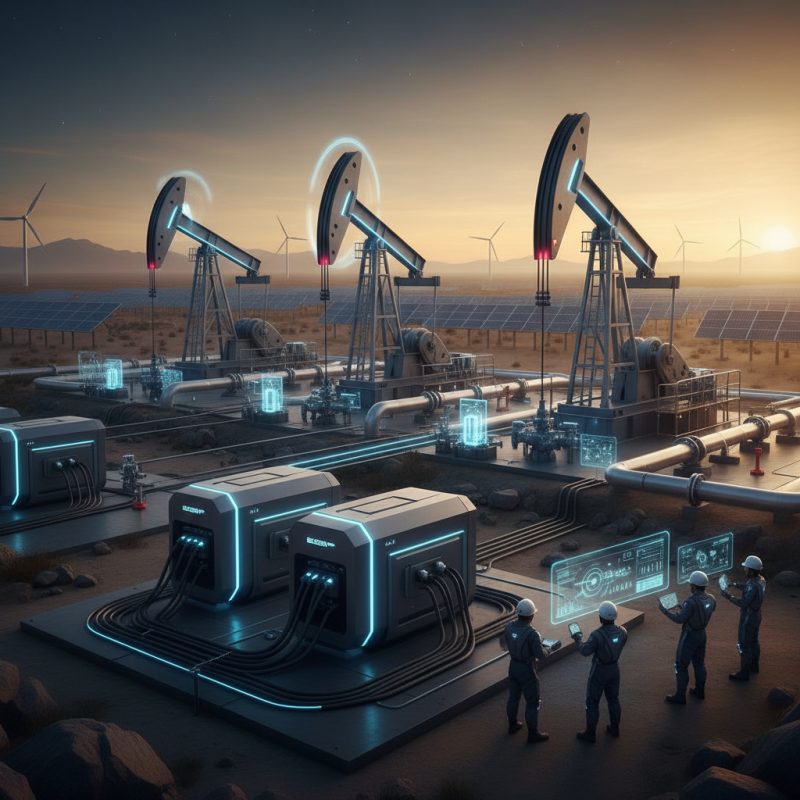
Artificial lift technologies are vital in the oil industry. These systems help extract oil from the ground when reservoir pressure declines. They maintain production rates and ensure efficient resource extraction. Different types of artificial lift methods cater to various reservoir conditions. Understanding these systems is essential for optimizing oil recovery.
One common method is electric submersible pumps (ESPs). They efficiently raise oil to the surface. However, they can fail under high-temperature conditions. This limitation often requires further analysis.
Another technique is gas lift, where gas is injected to reduce fluid density. It can be cost-effective, but proper gas management is crucial.
Operators face challenges while choosing the right method. Poor selection can lead to unnecessary downtime and additional costs. The industry also requires regular maintenance to avoid system failures. Workers must be trained to monitor equipment closely. Emphasizing operational efficiency remains a priority for success.

Emerging trends in artificial lift technologies for 2026 show significant advancements. Industry reports project that the global artificial lift market will grow to $17 billion by 2026, reflecting a compound annual growth rate (CAGR) of 6%. New techniques are being developed to improve efficiency and reduce costs. The adoption of advanced data analytics is gaining traction. Operators are leveraging real-time data to optimize lift systems.
One promising direction is in the automation of Artificial Lift Systems.Automated systems can enhance production and reduce operational interruptions. These systems can adjust in real-time, responding instantly to changes in reservoir conditions. Reports reveal that automated systems reduce downtime by up to 25%. However, the transition to full automation poses challenges. Many operators need more training and understanding of these systems.
Tips: Regular maintenance remains crucial. Routine checks can prevent performance dips. Don't overlook the importance of staff training. Equip teams with the latest knowledge about emerging technologies. Adjusting to these changes only takes time and effort. Embrace continuous learning to optimize lift force applications effectively.
When comparing rod pumping to electrical submersible pumps (ESPs), several key factors emerge. Rod pumps have been a staple in the industry for decades. They are cost-effective and relatively easy to operate. However, they often struggle in wells with high gas-to-oil ratios. In such cases, gas interference can lead to inefficiencies and increased operational challenges.
On the other hand, electrical submersible pumps excel in deeper wells. According to industry reports, ESPs can handle production rates of up to 15,000 barrels per day, significantly higher than typical rod pumps. Their ability to work in high-temperature and high-pressure environments makes them attractive. Yet, they require more complex installations and maintenance. This can lead to higher operational costs over time.
Data from recent studies show that while ESPs have higher initial investments, their long-term performance often justifies the costs. However, not all wells are suited for ESPs, leading to a need for careful analysis. The choice between rod pumps and ESPs is not straightforward. Each well’s unique characteristics should guide the decision process. Mistakes can be costly, and oversights may lead to suboptimal production efficiency.
Gas lift techniques have evolved significantly in recent years. These innovations focus on enhancing oil recovery in challenging environments. According to a report by the Society of Petroleum Engineers, gas lift can improve production rates by 30% in some cases. This method utilizes compressed gas to reduce fluid density in the well, allowing oil to flow more freely.
Recent advancements include the development of smart gas lift systems. They employ real-time data analytics to optimize gas injection rates. This ensures efficient operation in varying reservoir conditions. A field study revealed that intelligent management could lower operating costs by up to 20%. Despite these benefits, some operators find it hard to implement these new technologies effectively.
Challenges remain in the adaptation process. Many companies experience issues integrating automated systems into older platforms. Moreover, training staff to manage these new processes is often overlooked. The shift towards digital solutions requires not just investment but also a cultural change within organizations. This reflects a broader challenge in the energy sector: balancing innovation with existing operational frameworks. The journey is complex, but the potential rewards are substantial.
Artificial lift systems play a vital role in oil and gas production. Yet, the future of these technologies presents challenges and opportunities. As the demand for energy rises, operators must adopt innovative strategies. It’s essential to remain adaptable in this evolving landscape. New technologies can optimize production but require investment and training.
One significant challenge is the integration of advanced data analytics. Many companies struggle to analyze large data sets effectively. Without proper analysis, decision-making suffers. Operators need to invest in training for their teams. Data-driven insights can lead to better performance and reduced costs.
Tips: Regularly assess the skills of your team. Invest in workshops and training sessions that focus on data analysis. Furthermore, consider partnerships with tech firms for expertise.
Another opportunity lies in sustainability. As regulations tighten, companies must find eco-friendly solutions. Traditional methods often face scrutiny for environmental impact. Exploring renewable energy integration can open new pathways. However, transitioning requires a shift in mindset and operational practices.
Tips: Conduct environmental assessments of current practices. Embrace innovative technologies that support sustainability. Engage your team in discussions about sustainable practices and their benefits. This proactive approach can lead to improved compliance and reputation.
| Technology | Description | Applications | Advantages | Challenges |
|---|---|---|---|---|
| Rod Pumping | Utilizes a series of rods to lift fluids from underground. | Oil and gas extraction, water wells. | Reliable, proven technology with low operational costs. | Mechanical wear and maintenance requirements. |
| Electric Submersible Pump (ESP) | A versatile pump installed downhole that requires electricity to operate. | Deep well applications, high-viscosity fluids. | Highly efficient and capable of handling various fluid types. | Power dependency and complex installation processes. |
| Gas Lift | Involves injecting gas into the fluid column to reduce fluid density and enhance flow. | Oil production in low-pressure reservoirs. | Effective for high-flow rate applications. | Gas supply continuity and logistics challenges. |
| Progressing Cavity Pump (PCP) | A mechanical pump design that consists of a helical rotor and stator. | Viscous fluids, heavy oil recovery. | Capable of handling difficult fluids with minimal shear. | Limited use in high gas production environments. |
| Plunger Lift | A natural gas lift method utilizing a traveling plunger. | Low-pressure gas wells. | Low installation costs and minimal power requirements. | May not be suitable for all well types and conditions. |
Please share your email with us to see your results.