Essential Tips for Using a Laser Cutting Machine for Beginners?

Using a laser cutting machine can open up a world of creativity and precision. Many beginners feel excited yet intimidated by this powerful tool. Understanding its features and guidelines is crucial for a successful start.

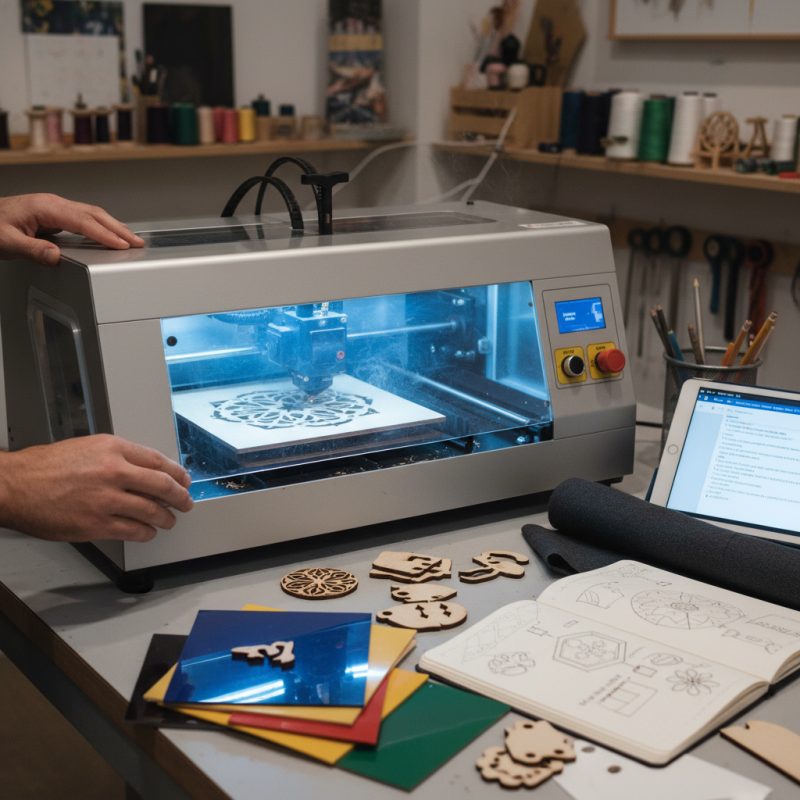
A laser cutting machine offers the ability to cut, engrave, and etch various materials. It’s important to learn about the different types of materials you can use. For example, wood, acrylic, and fabric can give stunning results. However, you might encounter challenges, like misaligned settings or unsuitable materials. These issues can be frustrating but are part of the learning curve.

Before diving into projects, familiarize yourself with the machine's operation. Spend time practicing on scrap materials. Make mistakes and learn from them. This approach will help you understand the nuances of the laser cutting machine. By embracing imperfections, you can improve your skills over time. Engaging with online communities can also provide insights and tips to enhance your experience.
Essential Tips for Using a Laser Cutting Machine for Beginners?

Understanding the Basics of Laser Cutting Machines

Laser cutting machines are powerful tools for creators. They can cut, engrave, and etch a variety of materials. Understanding their basics is crucial for beginners. Knowing how to operate them safely is the first step. Each machine works differently, which can be overwhelming. Familiarizing yourself with the user manual is essential.

Settings matter a lot in laser cutting. Power, speed, and frequency can significantly impact the outcome. Start with simple projects. Mistakes are part of the learning process. Maybe the cut isn't clean, or the engraving is too shallow. These failures teach valuable lessons. Experimentation is key to finding the perfect settings for your materials.

As you practice, safety should always be a priority. Wear protective eyewear and keep the workspace tidy. The fumes from cutting can be hazardous; use proper ventilation. Take note of your progress. Document which settings worked or didn’t work. Over time, you will develop a feel for your machine. This journey may not be perfect, but each project brings growth.


Choosing the Right Laser Cutting Machine for Your Needs

When choosing the right laser cutting machine, consider your specific needs. Think about the materials you plan to cut. Different machines handle various materials like wood, acrylic, and metal differently. Each material requires distinct power settings and focus adjustments, which can affect your results.

Size is another key factor. A large workspace allows for bigger projects, but it may take up more room. Compact models can fit in smaller areas but may limit your creativity. Assess your available space carefully before deciding. Also, think about the cutting speed. A machine that cuts quickly can save time, but slower machines might produce finer details.

Don’t forget about your budget. It’s easy to overspend on features you may never use. Look for a balance between functionality and cost. Research user reviews to gauge reliability. Sometimes, a less expensive model can perform surprisingly well. Reflect on what you truly need to avoid regrets later on. Test the machine, if possible, to see firsthand how it fits your projects.

Essential Tips for Using a Laser Cutting Machine for Beginners

Essential Safety Precautions When Operating a Laser Cutter

Operating a laser cutting machine involves significant safety risks. It is crucial to wear appropriate protective gear. This includes safety goggles to shield your eyes from harmful light. Gloves can protect your hands from sharp materials. Wearing a lab coat or apron helps prevent burns and injuries.

Ensure your workspace is free from clutter. A clean area minimizes distractions and potential hazards. Fire is a primary concern when using lasers. Keep a fire extinguisher nearby and know how to use it. Also, avoid flammable materials in the vicinity. Before starting, double-check all machine settings. Misconfigurations can lead to accidents.

Finally, never leave the machine unattended while it is in operation. If something goes wrong, immediate action is needed. Regular maintenance checks are also vital. This includes inspecting parts for wear and tear. Rushing through these steps can lead to mistakes. Always prioritize safety over speed.

Step-by-Step Guide to Preparing Your Design for Laser Cutting

Preparing your design for laser cutting requires careful planning. Start with vector graphics software. Choose simple shapes and clear lines for the best results. Complex designs can cause issues. Remember that laser cutters can't handle very fine details well. It's essential to design with the machine's limitations in mind.

Once your design is ready, double-check everything. Ensure that all elements are properly aligned. Sometimes, you may overlook small mistakes. These can lead to wasted materials and time. Testing your design on paper before cutting is a good practice. It helps you identify any inconsistencies.

After testing, export the file in a compatible format. Common formats include SVG and DXF. These typically work best with laser cutting machines. You may need to adjust settings based on the material you are using. Each material reacts differently to heat, so be aware of that. Don't be afraid to experiment and learn from any mishaps. Each mistake offers valuable lessons for your next project.

Common Mistakes to Avoid as a Beginner in Laser Cutting

When starting with a laser cutting machine, many beginners face common pitfalls. One major mistake is underestimating material settings. Each type of material requires specific power and speed settings. Ignoring this can lead to burns or inadequate cuts. Experimenting with test pieces can prevent costly errors.

Another frequent error is neglecting proper safety measures. It’s easy to get caught up in excitement. However, safety goggles should always be worn. Additionally, ensuring proper ventilation is crucial. Failing to do so can create harmful fumes.

Finally, many beginners rush their projects. This haste can result in overlooked details. Precision is key in laser cutting. Taking the time to double-check designs and settings pays off. It’s beneficial to embrace mistakes as learning opportunities. Every misstep helps build expertise.

Members of