What is a TIG Welding Rod and How to Choose the Right One?

When it comes to TIG welding, choosing the right TIG Welding Rod is crucial. This rod plays a significant role in joining metals efficiently. Each rod has specific characteristics designed for different materials and welding conditions. Understanding these characteristics is essential for quality results.

The wrong choice can lead to defects, weak joints, and costly repairs. Different metals require different rods, such as stainless steel or aluminum. This variety complicates the selection process further. Experiencing welding challenges often leads to the need for reflection.

Thus, a solid knowledge of TIG Welding Rod types is vital. It not only helps in achieving superior welds but also enhances your overall welding experience. Exploring the options available can sometimes feel overwhelming but is necessary for success.
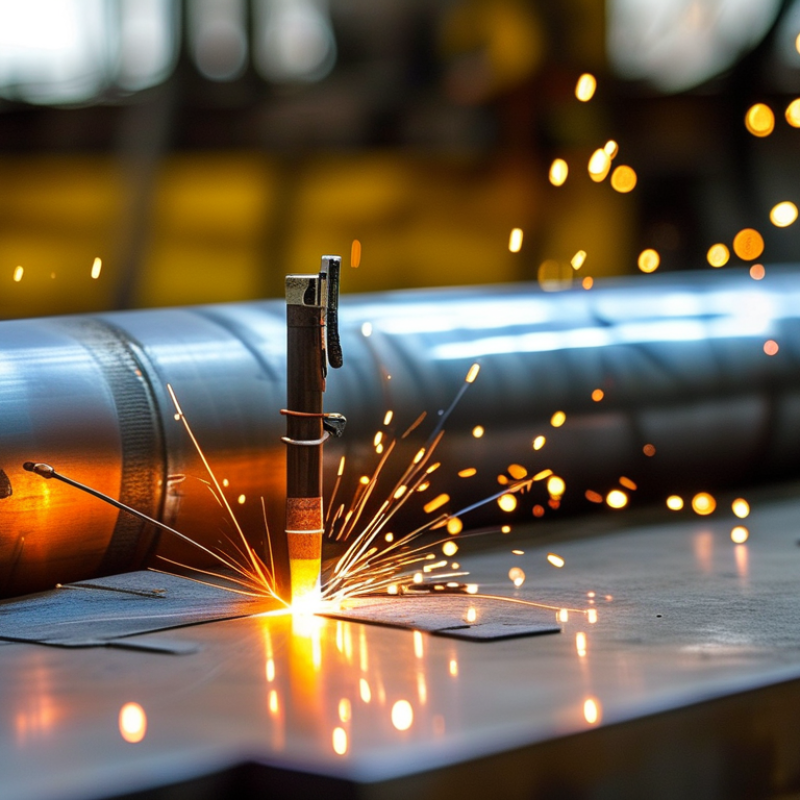
What is a TIG Welding Rod and How to Choose the Right One?

What is a TIG Welding Rod?

A TIG welding rod is a critical component in the TIG (Tungsten Inert Gas) welding process. It serves as the filler material that adds strength to the weld. These rods come in various sizes and materials, commonly including stainless steel, aluminum, and titanium. Each metal type has unique properties that affect the welding process, making the choice of the rod essential for achieving the desired strength and appearance.

Selecting the right TIG welding rod requires an understanding of the base metals involved. For instance, stainless steel rods work well for stainless base metals. However, many beginners struggle to choose appropriately. The diameter of the rod also matters; thinner rods are best for small gaps while thicker rods fill larger joints better. Misjudging this can lead to weak points in the weld.

Moreover, don't overlook the importance of proper storage. Rods are sensitive to moisture, which can lead to impurities and weak welds. Even well-chosen rods can fail if they are not stored correctly. Inspecting the rods before use ensures quality, but it’s easy to overlook this step. Taking time here can greatly enhance your weld quality.


TIG Welding Rod Types and Their Melting Points

Types of TIG Welding Rods Available

TIG welding rods are essential for creating strong, high-quality welds. Understanding the types of TIG welding rods available can greatly impact the final results of your project. There are mainly two categories: filler rods and non-filler rods. Filler rods are used to supply material to the weld joint, while non-filler rods are primarily for applications where no additional material is required.

Filler rods come in various alloys, such as aluminum, stainless steel, and carbon steel. Each alloy offers specific benefits and is suited for different metals. For instance, aluminum rods have excellent corrosion resistance. They are ideal for welding aluminum components. Stainless steel rods provide strength and durability, making them a go-to for food industry applications. Choosing the right alloy is crucial and can be daunting for beginners.

Non-filler rods, on the other hand, are often used for repairs or maintaining specific joint designs. They serve as a base material that the welder can mold more precisely. However, selecting the right rod can sometimes feel overwhelming. It’s essential to understand factors like the base metal and the type of weld joint required. Reflecting on these choices before purchasing will save you time and effort in the long run.

Factors to Consider When Choosing a TIG Welding Rod

Choosing the right TIG welding rod involves understanding various factors. First, consider the material you are working with. Different metals, like aluminum or stainless steel, require specific rods to achieve the best results. Each rod's coating and composition affect the weld quality.

A key tip is to match the rod with the base material. This ensures stronger bonds and reduces the likelihood of defects. For example, using a 4047 rod for aluminum creates a better joint than a general-purpose rod. Pay attention to thickness as well. Thinner materials typically use smaller rods to prevent burn-through.

It's essential to reflect on your welding environment. Factors like temperature and cleanliness can affect the rod's performance. Keep the work area clean to avoid contamination. A dirty surface can lead to poor weld quality, making the choice of a rod less effective.

Always test a few rods before starting significant projects. This way, you can gauge the performance and make an informed decision.

How to Properly Store and Handle TIG Welding Rods

Proper storage and handling of TIG welding rods are crucial for ensuring optimal performance. Many experts suggest maintaining a controlled environment. Humidity can easily affect the integrity of the welding rods. A relative humidity level below 50% is often recommended. Avoiding moisture keeps rods from becoming rusted or contaminated, which can lead to poor welding quality.

The choice of storage container also matters. Containers should be airtight and kept in an upright position. This prevents the rods from warping or bending. According to a study by the American Welding Society, mishandling and improper storage account for almost 30% of common welding issues. Inadequate care of welding rods can lead to surface defects and increased costs for rework.

When handling these rods, it’s essential to wear protective gloves. Oils and contaminants from hands can compromise the welding process. Each welding rod is designed for specific applications; thus, awareness of the right rod to use is vital. By prioritizing careful storage and handling, welders can enhance the performance and longevity of their materials.

Common Mistakes to Avoid When Selecting TIG Welding Rods

When selecting TIG welding rods, many novice welders make critical mistakes that can affect their projects. One common error is choosing the wrong alloy type. Each material, from aluminum to stainless steel, requires specific rods for effective results. Using incorrect rods can lead to weak welds and structural issues.

Another frequent mistake is neglecting to consider amperage ratings. Rods have different ratings, and using the wrong amperage can cause problems like burn-through or poor bead appearance. Pay close attention to your welder’s settings and the rod specifications before starting your work.

**Tips:** Always match the rod with the base material to ensure compatibility. Double-check the specifications on the packaging. It helps to discuss choices with experienced welders or seek guidance from welding professionals. The right rod selection can make a significant difference in your work's quality and safety.

Welders sometimes underestimate the importance of visual inspection of the rods. Cracks, rust, or bends can compromise the rod's effectiveness. Always inspect your materials before use to avoid costly mistakes down the line.

What is a TIG Welding Rod and How to Choose the Right One? - Common Mistakes to Avoid When Selecting TIG Welding Rods

Rod Type Material Diameter (mm) Application Common Mistakes
ER70S-2 Steel 1.6 Mild Steel Welding Choosing wrong diameter for the thickness of metals
ER308L Stainless Steel 2.4 Stainless Steel Welding Not considering material compatibility
ER4047 Aluminum 1.0 Aluminum Welding Ignoring base metal cleaning requirements
ER5356 Aluminum 1.2 Marine Applications Selecting based solely on cost
ER80S-B2 Low Alloy Steel 3.2 High Strength Steel Welding Failing to account for heat input
Members of