How to Source Steel Plate Flange for Your Business Needs?

The demand for Steel Plate Flange continues to rise in various industries, driven by growing infrastructure projects and manufacturing needs. According to a report by Grand View Research, the global flanges market was valued at over $25 billion in 2022 and is expected to grow at a CAGR of 5.4% through 2030. This highlights the critical role that Steel Plate Flange plays in maintaining quality and safety across sectors such as construction and energy.

Sourcing the right Steel Plate Flange is essential for ensuring operational efficiency. Various factors influence the selection process, including material specifications, sizes, and applicable standards. The American Society for Testing and Materials (ASTM) outlines crucial guidelines that can significantly impact product compatibility and longevity. For instance, understanding the specific grades of steel available can determine the effectiveness of a flange in different environments.

However, navigating these requirements can be complex. Not all suppliers offer the same quality or service level. Careful consideration must be given to the sourcing process, especially when weighing cost against reliability. Many businesses may overlook crucial aspects, leading to potential operational setbacks. Thus, a strategic approach to sourcing Steel Plate Flange is vital for long-term success.
How to Source Steel Plate Flange for Your Business Needs?

Understanding the Basics of Steel Plate Flanges in Industry

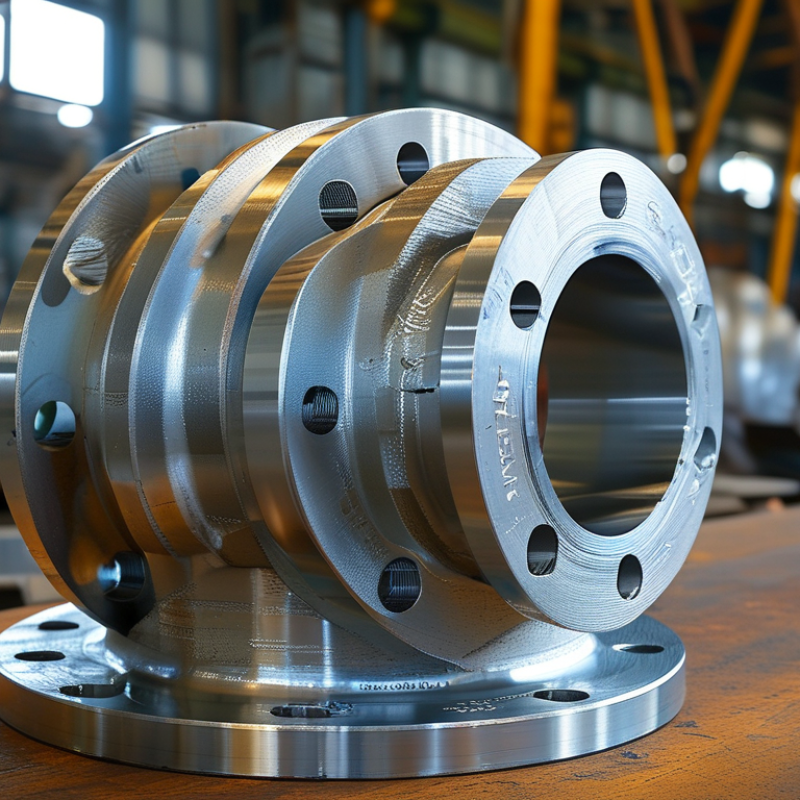
Understanding steel plate flanges is crucial for various industries. These components connect pipes, valves, and equipment securely. They come in different sizes and thicknesses, tailored to specific applications. Knowing how to choose the right flange is essential for ensuring safety and functionality.

When sourcing steel plate flanges, consider the material grade. Common options include carbon steel and stainless steel. Each type serves distinct purposes. Additionally, gauge the pressure and temperature ratings associated with your application. This ensures compatibility and performance.

It's not just about buying the lowest-priced option. Quality often matters more than initial costs. Inferior flanges can lead to leaks or failures over time. Research suppliers thoroughly. Seek feedback from industry peers or look for testimonials. A well-informed choice may require more effort, but it pays off in long-term reliability.

How to Source Steel Plate Flange for Your Business Needs?

Dimension (Inches) Material Type Thickness (Inches) Weight (lbs) Standard Compliance
6 x 1 Carbon Steel 0.5 5.5 ASTM A105
8 x 1.5 Stainless Steel 0.75 10 ASME B16.5
10 x 2 Alloy Steel 1.0 15 ASTM A694
12 x 2.5 Mild Steel 0.9 20 DIN 2633
14 x 3 Cast Iron 1.2 22 BS EN 1092-1

Identifying Your Business Requirements for Steel Plate Flanges

Identifying your business requirements for steel plate flanges requires careful consideration. Start by determining the specifications necessary for your projects. Consider the thickness, diameter, and material type you need. Each project may have different demands, so be clear on your objectives.

Next, consider the environment where the flanges will be used. Will they face extreme temperatures or corrosive materials? If so, high-grade materials may be necessary. Decide your budget without compromising quality. Sometimes, the cheapest option can lead to costly repairs later.

Consulting with engineers or industry experts can provide valuable insights. They can help assess your requirements accurately. Keep in mind that understanding your needs may take time. Pay attention to supplier reliability and delivery timelines. This is vital for maintaining your production schedule. An informed approach will yield better results in sourcing steel plate flanges.

Exploring Different Types of Steel Plate Flanges Available

When sourcing steel plate flanges, understanding the types available is crucial. There are several commonly used flanges in the industry. The most popular types include slip-on, weld neck, and blind flanges. Each type serves a specific purpose and has unique installation requirements. Slip-on flanges, for instance, are easy to install and are often used for low-pressure environments. They are less expensive and require minimal machining. Weld neck flanges can handle higher pressures and are preferred for critical applications.

Additionally, blind flanges are essential for sealing off piping ends. They are thick and robust, offering durability and stability. Familiarity with these options helps in making informed decisions. However, sourcing involves challenges. Understanding specifications and standards can be overwhelming. Sourcing from reliable suppliers is vital. Consider factors such as material quality and compliance with industry standards.

Incomplete information can lead to poor choices. Be cautious and verify your sources. Involve your engineering team to assess compatibility with existing systems. Miscalculation can result in costly downtime. Always review your options before finalizing your purchase. This approach will ensure you meet your business needs effectively.

Evaluating Suppliers for Quality and Reliability in Sourcing

When sourcing steel plate flanges, assessing suppliers is vital. Quality and reliability directly impact production efficiency. According to a 2022 market report, 40% of manufacturing delays stem from subpar materials. This statistic highlights the need for careful supplier evaluation.

To ensure quality, examine supplier certifications. ISO 9001 ensures consistent quality management. A supplier's adherence to this standard reflects their commitment. Additionally, seek suppliers with industry-specific experience. Those familiar with your sector will understand unique requirements.

Tips: Always request samples before placing large orders. This practice provides insight into material quality. Keep communication open and document all agreements. Many businesses overlook this, leading to misunderstandings later. Pay attention to delivery times; consistent delays can indicate broader reliability issues.

Best Practices for Purchasing and Logistics of Steel Plate Flanges

When purchasing steel plate flanges, it's essential to focus on the logistics and sourcing process. Effective supply chain management can reduce costs and enhance efficiency. Consider the origin of the materials used in manufacturing flanges. Domestic suppliers may provide faster shipping times, but international suppliers can offer cost benefits. Balancing these factors is key.

Explore multiple suppliers to compare quality and pricing. Reaching out to industry contacts for recommendations can provide valuable insights. Additionally, assess the supplier's reputation and certifications. Understanding their quality control processes can ensure you receive a reliable product.

Tips: Communicate clearly with suppliers about your specific needs. Ask about lead times and minimum order quantities. Also, check for any hidden fees in contracts. Regularly review your purchasing strategy as market conditions change. Adjusting your approach can lead to better deals and improved logistics efficiency.

Members of