How to Source Jumbo Parent Mother Roll Paper in 2026?

Sourcing Jumbo Parent Mother Roll Paper in 2026 requires more than finding the lowest quotation. Buyers must connect product specifications with real converting performance. Important details include paper grade, basis weight, reel width, core size, moisture level, roll diameter, and winding quality. A small variation can cause web breaks, uneven coating, or excessive trim waste. Therefore, every sourcing decision should begin with a clear technical sheet.

Reliable suppliers should provide traceable mill information, recent test reports, production capacity, and consistent export experience. Ask for samples before placing a large order. Check the roll surface, edge condition, odor, tensile strength, and unwind behavior on your own equipment. A polished sample is not enough. Factory verification, video inspections, and independent quality checks can reveal practical problems earlier. Still, no supplier review is perfect.

Pricing also requires careful interpretation. Freight rates, exchange rates, energy costs, storage fees, and minimum order quantities may change during 2026. A cheaper offer can become expensive after delays or rejected reels. Buyers should compare total landed cost, not only the paper price. Sustainability claims deserve evidence, too. Request certifications, recycled content details, and responsible fiber documentation where relevant.

This guide explains how to build a dependable sourcing process for Jumbo Parent Mother Roll Paper. It examines supplier qualification, technical evaluation, negotiation, logistics, risk control, and quality acceptance. Some recommendations may need adjustment for your market. That is normal. Experienced buyers keep reviewing results, recording defects, and improving their purchasing standards over time.
How to Source Jumbo Parent Mother Roll Paper in 2026?

Define Jumbo Parent Mother Rolls and Their Industrial Uses

How to Source Jumbo Parent Mother Roll Paper in 2026?

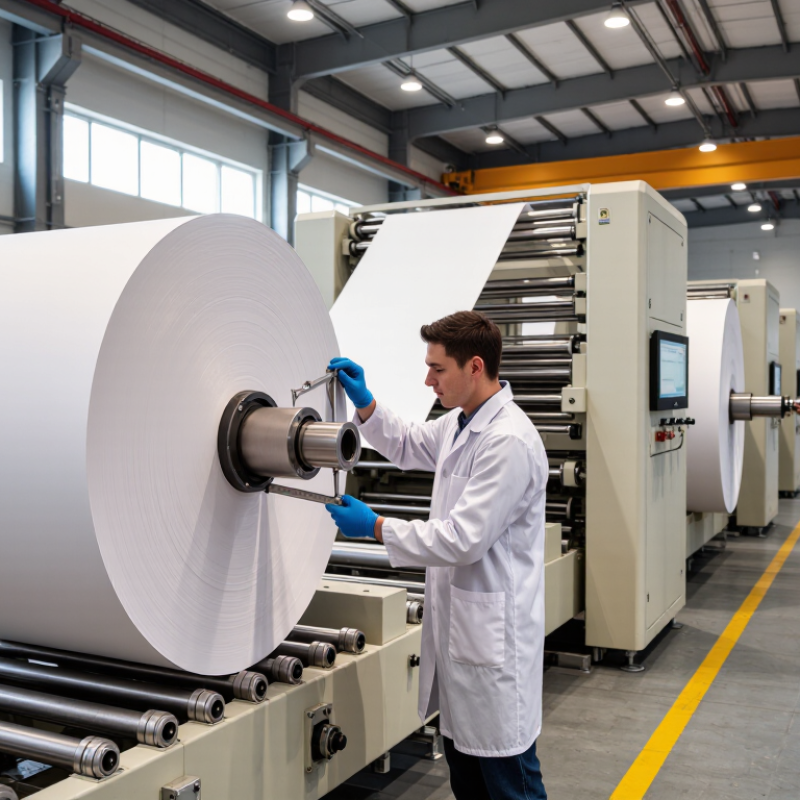
A jumbo parent mother roll is a large, continuous paper roll made for industrial conversion. It is not a finished consumer product. Converters unwind it, slit it, coat it, print it, or emboss it. The roll usually includes a specified paper grade, width, diameter, core size, basis weight, and moisture range. These details define whether it will run smoothly on production equipment.

Industrial uses vary by paper structure and surface treatment. Tissue-grade mother rolls can become toilet tissue, facial tissue, kitchen towels, or folded napkins. Packaging grades support paper bags, wrapping sheets, and folding cartons. Printing grades serve labels, brochures, inserts, and commercial publications. Some technical papers are used for release liners, filtration layers, or protective interleaving. The correct application depends on strength, absorbency, porosity, brightness, and coating performance.

Sourcing in 2026 requires more than comparing price per tonne. Ask for recent test reports, winding details, roll photographs, and production samples. Check the core tolerance carefully. A small core problem can stop a high-speed rewinder. Moisture variation may cause wrinkles, curl, or uneven cutting. That detail matters. A perfect-looking roll can still fail during conversion. I have learned that trial orders reveal weaknesses that documents cannot show. Confirm delivery capacity, packaging protection, traceable batch information, and quality inspection procedures before committing to regular volume. Supplier claims should be tested against measurable results.


How to Source Jumbo Parent Mother Roll Paper in 2026?

Jumbo parent rolls are large, machine-produced reels that are rewound, slit, coated, printed, or converted into finished paper products.

The chart shows representative midpoint basis weights for common jumbo parent roll grades. Tissue rolls are lightweight and are commonly converted into toilet tissue, facial tissue, and paper towels. Kraft and sack kraft rolls are heavier and are used for packaging, shopping bags, and industrial sacks. Coated and uncoated printing grades support labels, magazines, books, and commercial print products. Actual specifications should be confirmed with the mill based on GSM, roll width, core diameter, moisture, coating, and required converting equipment.

Identify Required Paper Grades, Dimensions, and Performance Standards

How to Source Jumbo Parent Mother Roll Paper in 2026?

Sourcing jumbo parent rolls starts with a precise paper specification, not a long supplier list. Define the end use before requesting quotations. Tissue applications may require softness, absorbency, wet strength, and controlled basis weight. Packaging grades often need higher tensile strength, burst resistance, caliper stability, and moisture control. Printing applications may also require brightness, opacity, smoothness, and reliable ink holdout.

Dimensions must match the converting line. Confirm reel width, core diameter, outer diameter, winding direction, maximum roll weight, and splice limits. A small width error can create serious waste. Specify acceptable edge damage, telescoping, looseness, and roll hardness. Ask for basis weight and caliper tolerances, not only target values. These details should appear on the purchase specification and certificate of analysis.

Performance testing should follow recognized ISO or ASTM methods where suitable. Request results for tensile strength, moisture, absorbency, porosity, and surface quality. Test samples under realistic temperature and humidity conditions. A roll can pass a laboratory test yet unwind poorly at high speed. That risk is easy to underestimate. I would also review the first shipment carefully, comparing production behavior with the approved sample. Specifications sometimes need adjustment after real machine trials. That is not failure; it is useful evidence.

Evaluate Suppliers, Production Capacity, Certifications, and Quality Systems

Sourcing jumbo parent mother roll paper in 2026 requires more than comparing prices. Evaluate each supplier’s actual production capacity, not only its monthly brochure figures. Ask for machine width, daily output, storage conditions, and current lead times. A reliable producer should explain how it handles peak orders and unexpected machine maintenance. Request recent production records, trial rolls, and references from comparable buyers. These details reveal operational experience.

Certifications should match your market and product use. Check valid FSC or PEFC documents, ISO 9001 quality systems, and relevant environmental certificates. Verify certificate numbers through official databases when possible. Review the supplier’s moisture control, basis-weight testing, tensile strength checks, and reel-winding procedures. During a factory visit, inspect wrapped rolls, clean floors, calibrated instruments, and labeled batch records. Small signs matter. A polished presentation cannot replace consistent testing.

Tips: Send a clear specification sheet before requesting quotations. Include GSM, reel width, core diameter, moisture range, brightness, and packaging requirements. Ask for a certificate of analysis with every shipment. Test samples under your real converting conditions, because laboratory results may not predict machine performance. Keep a written scorecard for capacity, certification validity, quality response, and delivery history. I would not choose the cheapest offer too quickly. One supplier once looked efficient on paper, but weak communication caused avoidable delays. That experience still deserves reflection.

Compare Pricing, Minimum Orders, Lead Times, and Shipping Terms

How to Source Jumbo Parent Mother Roll Paper in 2026?

Price comparisons begin with specifications, not the lowest quoted figure. Request pricing per metric ton and per roll. State the paper grade, GSM, width, diameter, core size, moisture range, and fiber mix. A recycled-content roll may cost less, yet require tighter moisture control. Ask whether prices include packaging, palletizing, and export documentation. Small details change the final cost.

Minimum orders vary by machine schedule and paper grade. Some mills accept a trial order, while others require several tons or a full container. Confirm whether mixed widths are allowed. A low MOQ can increase the unit price. It may still suit a new converting line. Production lead times commonly range from two to eight weeks after deposit and artwork approval. Request a written schedule with inspection dates. Delays often begin with unclear technical approvals.

Shipping terms need careful comparison. EXW may look cheap but shifts loading and inland transport to the buyer. FOB offers clearer port responsibility, while CIF includes ocean freight but may hide destination charges. Confirm container capacity, roll protection, moisture barriers, and demurrage rules. Ask for recent test reports covering caliper, tensile strength, porosity, and reel hardness. Inspect the first shipment when possible. One imperfect assumption remains: projected freight costs can change before production finishes. Build a reasonable buffer, especially during peak shipping periods.

Verify Samples, Negotiate Contracts, and Manage Delivery Risks

Sourcing jumbo parent rolls in 2026 starts with evidence, not a low quotation. Request two production samples from separate batches. Measure basis weight, moisture, caliper, tensile strength, brightness, reel hardness, and splice quality. Ask for test certificates and the actual production date. Samples can mislead. Pilot one roll on your converting line, because laboratory figures rarely reveal dust, curl, or telescoping. Record machine speed, break frequency, and usable yield.

Use a written specification before negotiating price or volume. Include tolerance bands, inspection rights, rejection procedures, and compensation for off-specification rolls. Link final payment to independent inspection or agreed loading evidence. CEPI’s 2023 statistics reported a 13.5% decline in European paper and board production. That figure shows why capacity promises require verification. Negotiate quarterly reviews instead of locking every assumption into a rigid annual contract. Include approval rules for partial shipments. Otherwise, one delayed reel can disrupt several customer orders.

UNCTAD’s Review of Maritime Transport 2023 states that over 80% of global merchandise trade by volume moves by sea. Delivery planning therefore needs more than a promised sailing date. Request container photographs, moisture protection details, reel-securing methods, and milestone updates. Track port congestion and transshipment exposure. Keep buffer stock based on actual weekly consumption, not optimism. No forecast is clean. A two-week reserve may still fail during a port closure, while excessive stock ties up cash and may damage at the warehouse. Review the plan monthly, and document every exception for the next negotiation.

Members of