What Is a Quick Connector and How Does It Work?

A Quick Connector looks simple, but its small body manages pressure, flow, alignment, and safety at once. You may find one between a hydraulic hose and a machine, behind a pneumatic panel, or inside irrigation equipment. Its purpose is practical: connect and disconnect fluid lines quickly, without repeatedly threading fittings or spilling large amounts of media.

Inside the connector, a plug meets a socket and pushes internal valves open. Springs, locking balls, and seals then hold the connection together. When disconnected, the valves close and limit leakage. The exact design depends on pressure, temperature, chemical compatibility, and the required flow rate. A connector for clean air may fail quickly in hot hydraulic oil. That detail is easy to overlook.

As fluid-power engineer Michael K. McDonald explains, “A connector is not merely a joining point; it is part of the system’s control and safety.” This view matters during selection. Thread size alone cannot determine performance. Material, seal type, coupling force, and contamination resistance matter too.

Not every connection is perfect.

A dusty workshop can damage a precision seal. A rushed installation can leave the plug partially locked. Even a high-quality Quick Connector may leak when used beyond its rated conditions. Therefore, understanding how it works is more valuable than choosing the cheapest option. This guide examines its internal mechanism, common designs, advantages, limitations, and practical inspection points. It also questions a common assumption: faster connection does not always mean better connection. Reliable performance comes from correct specification, careful handling, and regular maintenance.
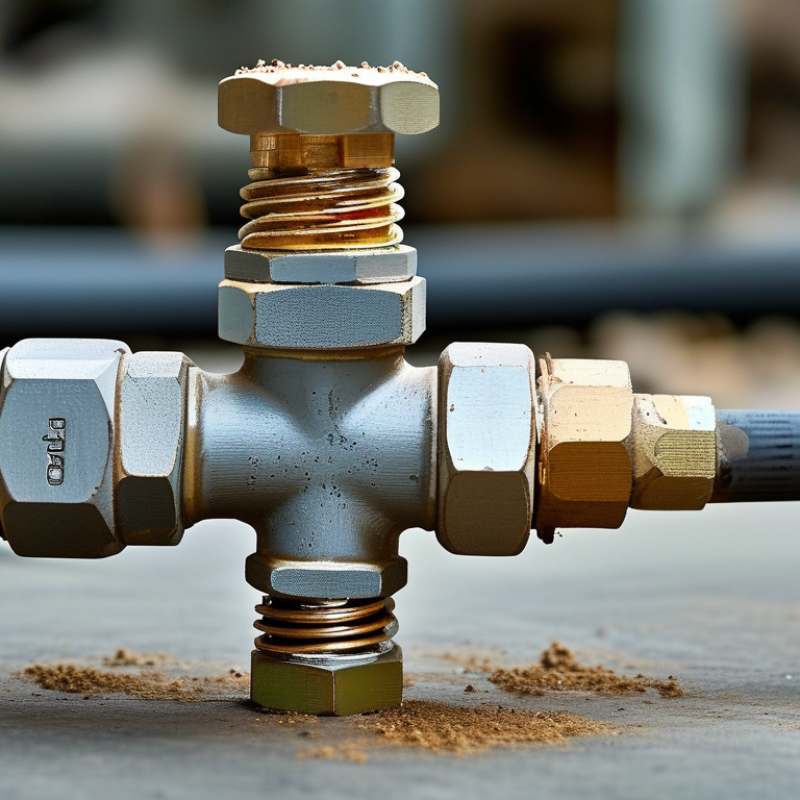
What Is a Quick Connector and How Does It Work?

What Is a Quick Connector?

A quick connector is a fitting that joins pipes, hoses, or tubes without lengthy threading or special tools. It usually has a socket, locking sleeve, and internal seal. When the matching plug enters the socket, small balls or a locking ring hold it securely. The seal presses around the plug and helps prevent leaks. Disconnecting is simple. Pull back the sleeve, then remove the plug. The process saves time during equipment servicing. However, quick connectors are not foolproof. A damaged seal can leak suddenly under pressure.

Tips: Check the connector’s pressure and temperature ratings before installation. Clean both connection surfaces, even when they look nearly spotless. Push the plug fully into the socket until you feel or hear the lock engage. Gently pull it afterward. This small check can prevent an avoidable separation.

In practical maintenance, most problems come from poor alignment, worn seals, or trapped dirt. Never force a connector that resists insertion. Stop and inspect it. A light film of compatible lubricant may help some seals, but it can harm others. Follow the fitting manufacturer’s technical guidance. Replace cracked parts promptly. Test the connection at low pressure first, then increase pressure gradually. A quick connector should make work easier, not encourage careless installation.


What Are the Main Components of a Quick Connector?

A quick connector joins fluid lines without requiring tools for every connection. Its design looks simple, but each component has a precise role. The outer body supports the assembly and guides the mating plug. It is usually made from corrosion-resistant metal or engineered polymer. Material choice affects pressure capacity, temperature tolerance, and service life.

Inside, the locking sleeve controls connection and release. Small locking balls or pins hold the plug in place when the sleeve returns to its normal position. A spring provides that return force.

The sealing element, often an O-ring, closes the gap between the connector and plug. It must remain flexible without swelling or cracking. Some models also include an internal valve that stops flow when disconnected. This is a useful detail. It reduces spills and air entry.

During connection, the plug pushes against the valve and moves the locking mechanism into position. The sleeve then secures the plug with a clear mechanical stop. In practical maintenance, technicians should inspect the seal, locking area, and mating surfaces before use. Dirt can cause leakage or incomplete engagement.

The design is not flawless. A connector may feel attached while its seal is already damaged. Temperature changes, vibration, and repeated cycles can also weaken performance. Correct sizing and pressure ratings matter more than appearance. A clean, smooth click is helpful, but it is not proof of safety.

How Does a Quick Connector Work Step by Step?

What Is a Quick Connector and How Does It Work?

How Does a Quick Connector Work Step by Step?

A quick connector joins fluid or gas lines without threading tools. MarketsandMarkets’ 2023 report projected the global quick disconnect market could reach about USD 4.1 billion by 2028. That growth reflects demand for faster maintenance and reduced assembly time.

The process begins with inspection. I check the connector, seal, tube, and locking sleeve for damage or contamination. Clean parts matter. The operator then pushes the male plug into the female socket. Internal locking balls or a retaining mechanism hold the plug in position. A spring-loaded valve opens inside the coupling, allowing fluid to pass. The seal compresses around the plug and limits leakage.

A firm pull confirms engagement. It should not release easily. Before full operation, pressure rises gradually while the joint is observed for hissing, mist, or movement. ISO 7241 provides dimensional and performance guidance for several hydraulic quick couplings, but compatibility still requires careful verification. Thread size alone is not enough; flow rating, pressure rating, seal material, temperature, and media must match.

Disconnecting follows the reverse sequence. The line must be depressurized first. Pressing the release sleeve separates the locking mechanism, while internal valves close to reduce spillage. This step seems simple, yet hurried handling causes many failures. I have seen clean-looking connectors leak because the seal was twisted during assembly. That is easy to miss. A torque-free connection is not automatically a safe connection. Each installation deserves a functional check and a documented inspection.

What Is a Quick Connector and How Does It Work? — Step-by-Step Guide

Step User Action What Happens Inside the Connector Result Important Check
1. Identify the Connector Confirm that the fitting is designed for the intended tube, hose, pipe, wire, or cable application. The connector type, port size, sealing method, and connection mechanism are matched to the system. The correct connector and compatible mating component are selected. Check size, material compatibility, pressure or voltage rating, temperature range, and media compatibility.
2. Prepare the Components Cut the tube or hose squarely, remove burrs, and clean the mating surfaces. A clean, evenly cut surface allows the seal, locking fingers, or contact elements to engage correctly. The components are ready for insertion or mating. Do not use damaged, crushed, contaminated, or improperly cut tubing or terminals.
3. Align the Mating Parts Position the plug, tube, hose, or cable directly in line with the connector opening. Correct alignment prevents side loading and helps the internal seal or contact system engage evenly. The connection can be made with minimal force. Avoid twisting, forcing, or inserting components at an angle.
4. Insert or Push to Connect Push the mating component into the connector until it reaches the specified insertion position. Depending on the design, a seal compresses around the component while a collet, locking balls, spring clip, or latch holds it in place. The connector forms a mechanical and, where applicable, fluid, pneumatic, hydraulic, or electrical interface. A noticeable stop or click may indicate engagement, but the product instructions remain the final reference.
5. Lock the Connection Release the insertion force and activate any sleeve, latch, lever, threaded collar, or secondary lock. The locking mechanism resists axial separation and maintains contact between the mating parts. The connection is mechanically secured. A retention test should be performed only as specified for the connector type; do not pull on live electrical wiring.
6. Verify the Seal or Contact Inspect the joint and confirm that the component is fully inserted and correctly retained. The sealing element should sit evenly around the mating surface; electrical contacts should be fully engaged and insulated as designed. The connector is ready for functional testing. Look for gaps, exposed conductors, deformed seals, misalignment, or incomplete insertion.
7. Test the Connection Gradually apply the operating condition and inspect for leaks, pressure loss, movement, overheating, or signal interruption. The connector transfers the intended fluid, air, hydraulic pressure, mechanical load, or electrical signal through the joined components. A properly installed quick connector provides a repeatable, detachable connection. Use approved test procedures and never exceed the connector’s published operating limits.
8. Disconnect When Required Stop and isolate the system, release pressure or power, then operate the release sleeve, latch, or locking mechanism. The retainer disengages, allowing the mating component to be withdrawn without cutting the line or removing permanent fasteners. The connection separates for servicing, replacement, or reconfiguration. Depressurize fluid and pneumatic systems and disconnect electrical power before separation.
Key principle: A quick connector combines a mating interface with a sealing and retention mechanism, allowing components to be connected and disconnected faster than with a permanent joint or conventional threaded assembly.

What Types of Quick Connectors Are Available?

Quick connectors join and separate lines without repeated tools or lengthy shutdowns. A spring sleeve, locking ball, or gasket holds the connection securely. When released, the mechanism opens the flow path or electrical circuit. Selection depends on pressure, temperature, media, current, and connection frequency. A connector that feels solid may still fail under vibration.

Several types are available. Push-to-connect pneumatic fittings use a collet to grip tubing quickly. Hydraulic quick couplings use valves that limit fluid loss during separation. Cam-lock couplings suit larger hoses and use two external levers. Threaded couplings offer strong retention but require more turning time. Dry-break couplings reduce leakage and air entry, which matters during chemical or fuel transfer. Electrical quick connectors use contacts, housings, and locking tabs for fast maintenance.

The market supports this broad adoption. MarketsandMarkets reported that the global industrial connectors market could grow from about 67.8 billion dollars in 2023 to 92.2 billion dollars by 2028. Its estimated compound annual growth rate is 6.3 percent. Grand View Research also identifies automation and equipment modernization as major demand drivers. These figures describe connectors broadly, not quick couplings alone. That distinction matters. In field work, I would inspect seals, check coupling compatibility, and test for leaks before operation. Small errors become expensive quickly. A visual check is helpful, but it is not proof of safe performance.

Where Are Quick Connectors Commonly Used?

Quick connectors are used wherever hoses, tubes, or pipes must be joined and separated efficiently. They usually contain a socket, plug, locking sleeve, and internal seal. When the plug enters the socket, the locking mechanism holds it in place. Disconnecting often requires pulling the sleeve back. Some designs also stop fluid flow automatically, reducing spills during maintenance.

In plumbing, quick connectors appear under sinks, on water filters, and in garden irrigation systems. A homeowner can detach a hose without using a wrench. In pneumatic workshops, they connect air tools to compressed-air lines. The familiar click saves time between tasks. However, the connection must match the working pressure, temperature, tube material, and fluid. A fitting made for water may not suit hot oil or aggressive cleaning chemicals.

Manufacturing equipment uses quick connectors for cooling lines, testing instruments, and movable production tools. Vehicles may use them in fuel, air-conditioning, and coolant circuits, where vibration makes inspection important. Technicians should check seals for cuts, clean the mating surfaces, and test for leaks before normal operation. A connector can look secure while remaining partly locked. That mistake is easy to make. Regular replacement is also wise, although replacement timing depends on pressure cycles, heat, contamination, and service records. My practical concern is simple: convenience can encourage rushed checks. A two-second click should not replace a careful inspection.

What Is a Quick Connector and How Does It Work?

Quick connectors are fittings that join or separate fluid or gas lines rapidly, usually with a locking sleeve, valve, or release mechanism. The chart shows representative nominal connector-size ranges commonly encountered in different applications. Actual sizes vary according to pressure, flow rate, material, and system design.

Members of