In the realm of Prototype Manufacturing, 2026 promises to be a transformative year. Innovations are emerging rapidly, driven by technological advancements and market demands. Companies are eager to enhance their capabilities, streamline processes, and create prototypes that are both efficient and cost-effective.
A key trend is the increasing integration of AI and machine learning in manufacturing workflows. This integration aims to improve design accuracy and reduce production times. Another notable shift is the growing emphasis on sustainable practices. Organizations are exploring eco-friendly materials and methods in prototype manufacturing, reflecting a commitment to environmental responsibility.
Despite these advancements, challenges remain. The balance between speed and quality can be difficult to achieve. Companies must navigate the complexities of new technologies while ensuring that prototypes meet rigorous standards. As we approach 2026, it is essential for industry leaders to reflect on these trends and adapt to the ever-evolving Prototype Manufacturing landscape.
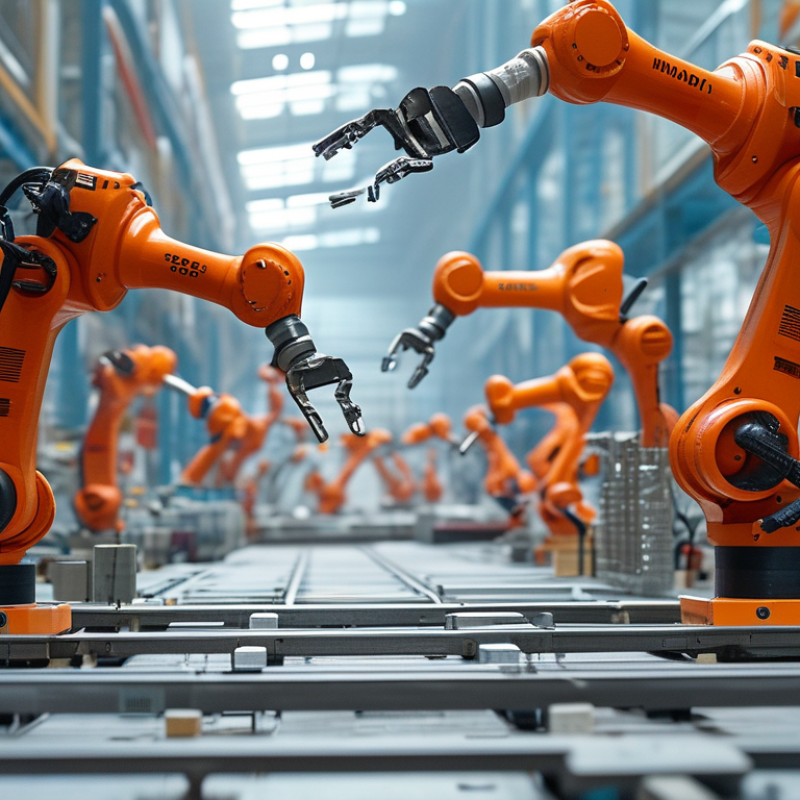
In the ever-evolving world of prototype manufacturing, emerging technologies are set to reshape the landscape by 2026. One of the key trends is the increased integration of artificial intelligence in design processes. A recent report by McKinsey highlights that AI can reduce prototype development time by up to 30%. This accelerates innovation cycles significantly.
Moreover, additive manufacturing technologies, such as 3D printing, are becoming more mainstream. The Global Industry Analysts estimate the 3D printing market will exceed $34 billion by 2026. This growth reflects the demand for custom prototypes and complex geometries that traditional methods struggle to deliver. However, challenges remain. Material limitations in 3D printing occasionally undermine the reliability of prototypes.
Another noteworthy trend is the rise of virtual and augmented reality in testing environments. According to a report by PwC, about 23% of businesses have started using these technologies for prototype assessments. While these tools can improve collaboration and visualization, they also require significant investments in technology and training. Organizations must weigh these costs against potential benefits carefully.

Sustainability is becoming essential in prototype manufacturing. Many industries are shifting towards eco-friendly practices. This focus on sustainability enhances both efficiency and environmental responsibility. Prototyping with sustainable materials minimizes waste and promotes energy savings.
Innovative methods are emerging that support greener practices. Additive manufacturing, for instance, allows for precise production with less material usage. 3D printing can use recycled materials, reducing the need for virgin resources. However, the challenge lies in ensuring the reliability of these alternative materials. Testing is crucial to maintain quality standards in prototypes.
As companies adopt sustainable practices, they face hurdles. Implementing eco-friendly solutions can be costly and complex. Balancing innovation with sustainability is not always straightforward. Therefore, organizations need to assess their processes critically. Identifying areas for improvement often leads to better environmental performance and operational efficiency.
The integration of AI and automation in prototype manufacturing is reshaping the industry landscape. AI systems analyze design data quickly, reducing errors and enhancing precision. Automation streamlines repetitive tasks, minimizing human intervention. This shift allows engineers to focus on creativity and complex problem-solving.
However, the reliance on AI raises challenges. There can be unforeseen flaws in machine-generated prototypes. These imperfections remind us that technology cannot completely replace human intuition. Teams must continuously learn and adapt, ensuring that automation complements human expertise.
Furthermore, implementing AI systems requires significant investment. The cost of technology and training can be daunting for smaller businesses. Companies must weigh these factors against potential efficiency gains. A balanced approach might lead to a more sustainable integration of AI in prototyping processes.
The future of prototyping is increasingly shaped by advancements in 3D printing. This technology allows designers to create complex shapes and structures with precision. In 2026, we will see more industries adopting these innovations. The ability to rapidly iterate designs is revolutionizing product development.
Additive manufacturing enables the use of diverse materials, from plastics to metals. This flexibility supports various applications, such as aerospace and healthcare. However, the process is not without its challenges. Material properties can vary significantly based on printing techniques. Designers must remain vigilant to ensure quality and performance.
The rise of sustainable 3D printing materials is another trend gaining attention. Eco-friendly filaments and recycled materials are becoming more popular. This shift will prompt manufacturers to rethink their processes and reduce waste. Nevertheless, achieving the right balance between sustainability and functionality can be difficult. Many are still navigating this complex landscape, seeking optimal solutions.
Collaborative design approaches are reshaping prototype manufacturing. Teams from various disciplines come together to enhance creativity. This collaboration allows diverse perspectives, driving innovation. Effective communication is key. Regular feedback loops help refine designs iteratively.
In 2026, technology supports these collaborative efforts. Digital tools like virtual reality facilitate real-time brainstorming. Designers can visualize prototypes instantly. However, there can be challenges in alignment. Different priorities may lead to conflicts. Managing these discrepancies requires patience and understanding.
Fostering a culture of collaboration also takes effort. Teams must establish clear roles and responsibilities. Trust plays a vital role in successful collaboration. Inadequate communication can derail projects. Reflecting on past experiences can guide teams to improve future collaborations. Embracing these lessons is essential for progress in prototype manufacturing.
Please share your email with us to see your results.