Why Choose a Parcel Strapping Kit for Secure Shipping?

E-commerce has changed the parcel journey. A carton may pass through conveyors, vans, sorting hubs, and doorsteps before delivery. The Pitney Bowes Parcel Shipping Index 2022 recorded 159 billion parcels worldwide in 2021. That volume makes small packaging failures expensive. A broken carton corner can scatter products across a warehouse floor.

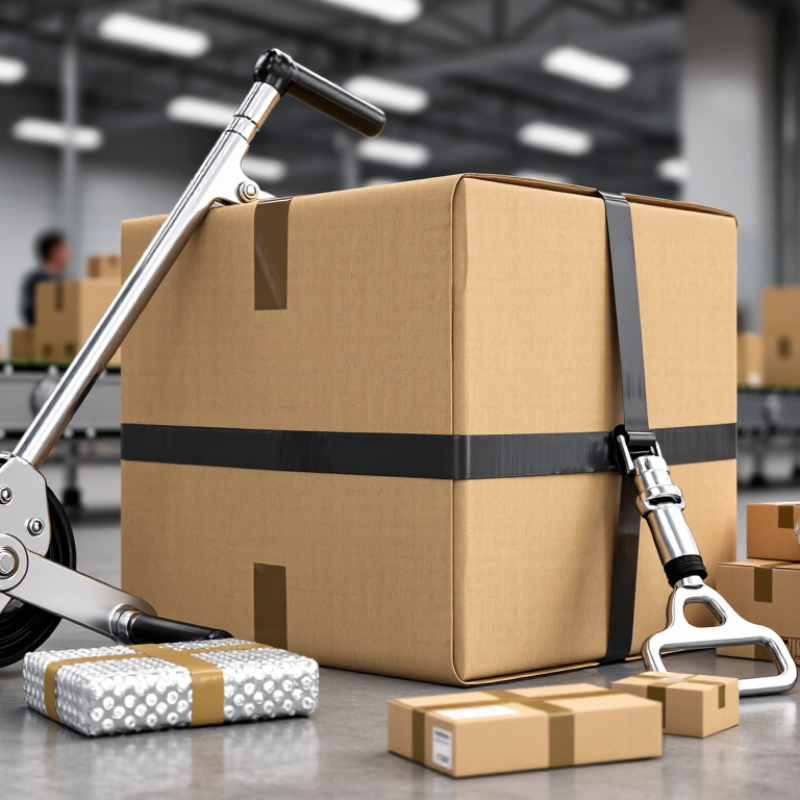
A Parcel Strapping Kit adds controlled tension around the package. It can stabilize cartons, bundle irregular items, and reduce shifting during handling. The right kit usually combines strap, buckle or seal, tensioning tools, and practical instructions. It is simple equipment. But selection still matters. Strap width, material, tensile strength, and operator technique should match the parcel’s weight and surface.

Dr. Susan Selke, packaging professor and author, has described packaging as “a system, not a single material.” That idea applies directly here. Strapping cannot repair a weak carton or replace careful packing. It works best with suitable cushioning, strong closures, and consistent inspection. The Packaging Machinery Manufacturers Institute highlights automation, labor efficiency, and packaging reliability as continuing industry priorities in its 2023 reports. A well-chosen kit can support those priorities without requiring a complex production line.

Still, no kit is magic. Over-tensioning may crush lightweight boxes. Under-tensioning may allow movement. Testing a filled parcel, checking seal quality, and observing real handling conditions remain essential. The best choice is practical, measurable, and slightly cautious. Secure shipping begins with a system that works beyond the packing bench.
Why Choose a Parcel Strapping Kit for Secure Shipping?

What Is a Parcel Strapping Kit?

Why Choose a Parcel Strapping Kit for Secure Shipping?

A parcel strapping kit is a practical set for tightening and securing packages before transport. It commonly includes strapping material, a hand tensioner, a sealing tool, and fastening seals. Some kits also contain cutters or protective corner pieces. Together, these parts hold cartons firmly and reduce shifting during handling.

In daily packing work, the kit is useful for boxes with loose flaps, uneven surfaces, or extra weight. I have found that tension matters more than force. Excessive tightening can crush cardboard edges or damage fragile contents. A careful operator checks the strap after sealing and presses each corner gently. The package should feel stable, not distorted. That small difference is easy to miss.

Strapping material may be made from plastic or other suitable packaging materials. The correct choice depends on parcel weight, carton strength, storage conditions, and transport distance. A reliable kit should feel balanced in the hand, with clear adjustments and durable working parts. Cheap tools can slip, although not every low-cost kit performs poorly. That assumption needs testing.

For consistent results, users should practice on empty cartons before packing valuable goods. They should also inspect worn straps, bent seals, and loose tool components. A kit improves parcel security, but it cannot repair weak packaging or replace proper cushioning. Shipping safety begins with the whole package.


How Does Parcel Strapping Secure Packages?

Parcel strapping secures packages by creating controlled pressure around the carton. A strap pulls the panels together, limiting movement during lifting, sorting, and delivery. It also helps keep flaps closed when tape loosens in cold or dusty conditions. The result is a package that feels firm, not merely sealed.

A practical kit usually includes strap, buckles or seals, a tensioning tool, and a cutter. Thread the strap around the parcel, keep it flat, and tighten it gradually. Excessive tension can crush a soft box. That mistake is common. For heavier cartons, two straps crossing the center can distribute pressure more evenly. A trained packer checks every corner before release. I have found that a quick shake test reveals loose contents better than appearance alone.

Material choice matters. Polypropylene suits light parcels, while composite or steel options may suit dense loads. The correct choice depends on weight, edges, weather exposure, and handling distance. Sharp corners need protectors because straps can cut into cardboard during transit. Measure tension consistently when possible, but do not trust numbers blindly. Damaged cartons may fail below the expected load. Record the packing method for repeat shipments. Small adjustments, such as adding internal padding, can prevent shifting and reduce strap stress.

Why Choose a Parcel Strapping Kit for Secure Shipping?

Strapping helps keep parcels closed, aligned, and resistant to shifting during handling. The chart shows representative break-strength levels commonly associated with polypropylene, polyester, and steel strapping. Actual performance varies with strap width, thickness, joint quality, and tensioning method, which is why a complete strapping kit helps create consistent package security.

Which Components Are Included in a Strapping Kit?

A parcel strapping kit usually combines the basic tools needed to stabilize cartons during handling. Most kits include a roll of polypropylene or polyester strap, a hand tensioner, a cutter, and fastening buckles or seals. Some sets also contain a dispenser, which keeps the strap clean and reduces twisting on busy packing benches.

The tensioner tightens the strap around the parcel without crushing its edges. The cutter creates a clean finish and helps prevent sharp, loose ends. Buckles suit many light-to-medium parcels, while metal seals may provide stronger closure for heavier boxes. Corner protectors are another useful component. They spread pressure across the carton and reduce dents on soft cardboard. In practice, I check strap width, breaking strength, and tool compatibility before packing.

A complete kit is convenient, but it is not automatically suitable for every shipment. I have seen operators over-tighten straps and damage fragile contents. That mistake is easy to repeat. A better approach is to test one packed carton, inspect its edges, and adjust the tension gradually. Protective gloves can improve handling, although they are not included in every kit. The right components depend on parcel weight, carton quality, storage time, and transport movement. A kit with fewer parts may work well for occasional packing, while frequent shipping often benefits from a dispenser and spare fastening pieces.

How to Choose the Right Kit for Your Shipping Needs?

How to Choose the Right Parcel Strapping Kit for Your Shipping Needs

Parcel volume keeps rising. The Pitney Bowes Parcel Shipping Index reported 161.8 billion parcels worldwide in 2022. More parcels mean more handling, vibration, and stacking pressure.

Choose a kit by measuring your real shipments. Record parcel weight, box dimensions, surface texture, and daily volume. Lightweight polypropylene strap suits small cartons and moderate tension. Polyester strap offers better strength for heavier boxes. Steel strap may be excessive for ordinary parcels. It can also damage corrugated edges. Match strap width and thickness with the sealer’s specifications. Check whether the kit includes a tensioner, cutter, seals, and corner protectors. A missing cutter can slow a packing station surprisingly quickly. The Packaging Corporation of America notes that compression strength changes with box design, moisture, and handling conditions. Therefore, strap alone cannot fix weak packaging.

Tips: Test three packed boxes before buying in bulk. Shake one gently. Stack another overnight. Inspect crushed corners, loose seals, and strap marks. Measure packing time per parcel. Also check operator comfort; awkward tools encourage inconsistent tension. This matters because ISTA testing guidance emphasizes repeatable package preparation and distribution simulation. A kit that looks strong may perform poorly with slippery film or dusty cartons. I have found that teams often choose excessive tension, thinking tighter always means safer. That assumption needs review. Too much force can buckle a box. Document the test results, but leave room for adjustment. Shipping conditions are rarely identical every day.

Why Choose a Parcel Strapping Kit for Secure Shipping? - How to Choose the Right Kit for Your Shipping Needs?

Selection Dimension Typical Option Typical Specification Suitable Shipping Scenario Practical Recommendation
Strap Material Polypropylene (PP) Lightweight; commonly available in widths of 9–16 mm Light to medium parcels and cartons Choose PP when low package weight and economical bundling are priorities.
Strap Material Polyester (PET) Higher tension retention than PP; commonly available in widths of 12–19 mm Heavier cartons, stacked parcels and palletized loads Choose PET when the load may shift or remain strapped during longer transport.
Strap Material Woven polyester Flexible textile strap with good abrasion resistance; often 13–19 mm wide Irregular, soft-sided or damage-sensitive packages Use it when edge protection and flexibility are more important than maximum rigidity.
Strap Width 9–12 mm Compact strap size for small parcels Books, apparel cartons, small appliance boxes and mail-order packages Select a narrow strap only when the package weight and surface area are modest.
Strap Width 12–16 mm General-purpose width for common shipping cartons Medium cartons and multi-box shipments A practical default for mixed parcel sizes and routine warehouse use.
Strap Width 16–19 mm Wider strap with a larger contact area Dense, heavy or tall cartons requiring stronger restraint Use wider strap with corner protectors to reduce pressure on carton edges.
Joining Method Metal or plastic buckles Hand-tightened; no heat or powered equipment required Low-volume packing and mobile shipping stations Choose buckle kits for simple setup, portability and occasional use.
Joining Method Heat-sealed or friction-welded Requires a compatible tensioning and sealing tool Frequent packing and higher-throughput operations Choose this method when consistent seals and faster processing are needed.
Tensioning Tool Manual tensioner Hand-operated; suitable for occasional or moderate-volume packing Small warehouses, offices and online sellers Select a manual kit when affordability and easy maintenance matter most.
Tensioning Tool Battery-powered tensioner Adjustable tension; reduces repetitive manual effort Medium-volume packing with repeated daily strapping Choose it when operator comfort, speed and consistent tension are important.
Package Protection Corner protectors Cardboard or plastic inserts placed under the strap Corrugated cartons, printed boxes and soft packages Add protectors whenever strap tension could crush or mark the package.
Outdoor Exposure Moisture-resistant strap and buckle Better resistance to rain and temporary humidity; not a substitute for waterproof packaging Short-term outdoor staging or mixed-weather transport Confirm the strap material and protect the entire parcel with suitable outer packaging.
Kit Completeness Basic kit Strap roll, tensioner, buckles or seals and cutter New packing stations and low-volume shipping Verify that the strap width, buckle size and tool compatibility match before purchase.
Quick selection rule: Match the strap material and width to the parcel weight, use corner protectors on vulnerable cartons, and select a joining method that fits your packing volume and available tools.

How to Apply Parcel Strapping Safely and Effectively?

With 161.8 billion parcels recorded worldwide in 2022, the 2023 Parcel Shipping Index shows how demanding modern parcel handling has become. A parcel strapping kit helps stabilize cartons during sorting, loading, and delivery. It usually combines strap, tensioner, seals, and a cutter. The right kit can reduce shifting without adding excessive packaging weight. A strap is not a substitute for a sound carton. That mistake is easy to make.

Start by checking the carton’s seams, corners, and contents. Use a strap width and strength suitable for the package size. Place the strap squarely around the carton, not across weak edges. Keep your fingers away from the tensioner and sealing point. Pull the strap firmly, but do not crush the box. Over-tightening can damage products and weaken cardboard. Leave no loose tail.

Cut the strap with controlled movement. Hold both ends before releasing tension. Wear safety glasses when cutting rigid materials. Gloves can help prevent sharp-edge injuries. Corner protectors are useful for soft cartons. Apply two crossing straps when the parcel is tall or unstable. Then shake the package gently and inspect every contact point. International Safe Transit Association test guidance highlights vibration, shock, and compression as common distribution stresses. My own checks often reveal uneven tension after the first pass. Recheck it. A small adjustment can prevent a larger failure.

Members of