How to Maintain Rotating Machines for Optimal Performance?

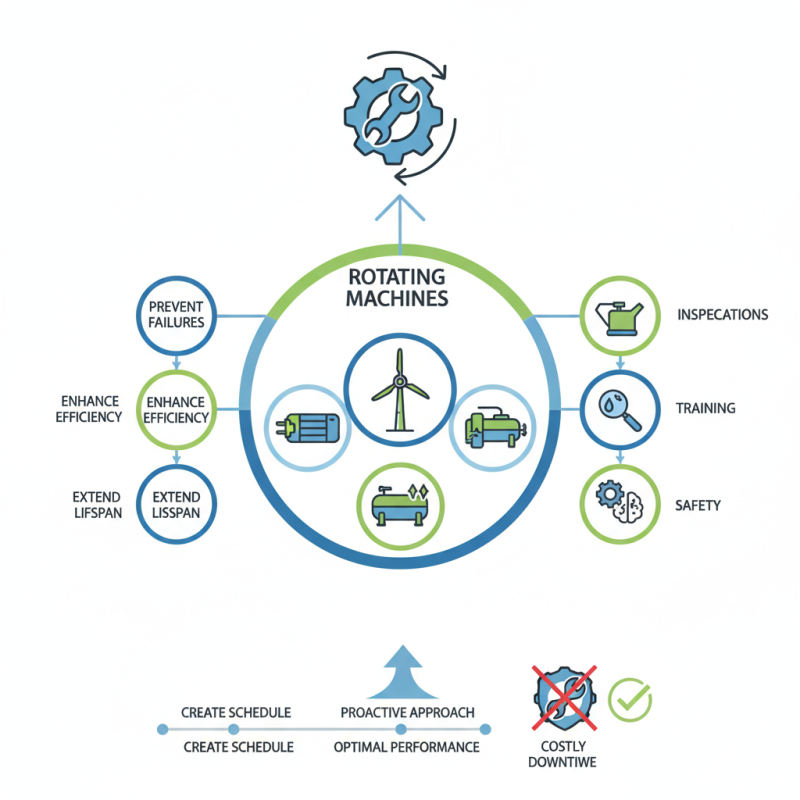
Maintaining Rotating Machines is essential for their optimal performance. These machines play diverse roles in industries, from power generation to manufacturing. Regular maintenance can prevent unexpected failures and enhance efficiency.

Rotating machines include motors, turbines, and compressors. Each component requires specific care to function properly. For instance, lubricating moving parts can reduce wear and tear. Inspections help identify potential issues before they escalate. However, many operators overlook these critical tasks. Ignoring maintenance can lead to costly repairs and downtime.

Creating a maintenance schedule is vital. Yet, some organizations might not prioritize it. This can stem from budget constraints or lack of awareness. Recognizing the importance of upkeep is crucial. It not only extends the lifespan of rotating machines but also ensures safety in the workplace. Regular training for staff can promote better practices. Ultimately, embracing a proactive approach can yield significant benefits for all involved.
How to Maintain Rotating Machines for Optimal Performance?

Understanding the Importance of Regular Maintenance for Rotating Machines

Regular maintenance for rotating machines is crucial. It helps prevent unexpected failures. Machine components are subjected to wear and tear over time. If neglected, minor issues can escalate into major problems, leading to costly downtime.

Understanding maintenance schedules is essential. Routine inspections can identify early signs of trouble. For instance, checking alignment and lubrication can prevent overheating. Monitoring vibration levels can provide insights into the machine's health. These practices are often overlooked, yet they can be game-changers.

Many operators forget the basics. They may skip lubricating bearings or mismanage belt tensions. This neglect can lead to severe consequences. Regular audits could help track such oversights. Being consistent in maintenance efforts is key to optimal machine performance.


Key Components of Rotating Machines Requiring Routine Inspection

Regular inspection of key components in rotating machines is crucial. Bearings are among the most critical parts. They support the shaft and allow smooth rotation. Inspect them for wear and lubrication gaps. A small issue here can lead to larger problems later on.

Another important component is the shaft itself. Look for any signs of misalignment or vibration. Even minor misalignments can cause stress and shorten the lifespan of the machine.

Take time to check the coupling as well. Ensure it’s tightly secured and free from damage.

Don’t overlook the condition of seals and gaskets. They prevent contamination from dirt and moisture. A worn seal can lead to serious failures. Regularly assess their integrity.

Lastly, remember that even a small oversight can lead to unexpected downtime. Emphasizing attention to detail is essential in maintenance.

Best Practices for Lubrication in Rotating Machine Maintenance

Lubrication is crucial for the smooth operation of rotating machines. Proper lubrication minimizes friction, reduces wear, and extends equipment life. According to industry reports, nearly 40% of machine failures are attributed to inadequate lubrication practices.

Using the right lubricant is vital. Choose lubricants that match operating conditions. Ensure they are compatible with machine materials. Regularly check for contamination, as dirt and moisture can significantly reduce effectiveness.

Tips: Implement a routine monitoring schedule. Consider using automatic lubrication systems for consistency. These systems help maintain optimal levels, thus reducing manual errors.

Another point to consider is the application method. Over-lubrication can lead to grease buildup and seal damage. Regularly inspect grease levels to avoid this issue. In many cases, less is more when it comes to lubrication. Reflect on past practices and adjust accordingly to optimize machine performance.

How to Maintain Rotating Machines for Optimal Performance?

Aspect Best Practice Frequency Notes
Lubrication Schedule Follow the manufacturer’s lubrication schedule Quarterly Ensure compliance for extended equipment life
Type of Lubricant Use high-quality synthetic lubricants Annually Reduces friction and wear on rotating parts
Lubricant Cleanliness Ensure lubricant is free from contaminants Monthly Contaminated lubricants can cause failures
Vibration Monitoring Regularly check vibration levels Bi-Monthly Detects alignment or imbalance issues early
Temperature Checks Monitor operating temperatures Weekly Excess heat indicates lubrication failure
Training Personnel Provide training for operating staff As needed Well-informed staff help in better maintenance

Common Failure Modes in Rotating Machines and How to Prevent Them

Rotating machines face several common failure modes. One major issue is bearing failure. This often occurs due to poor lubrication or contamination. Regularly checking lubricant levels can help avoid this. Cleanliness is critical. Dirt and debris build-up can lead to significant damage.

Another common failure is misalignment. When parts are not aligned correctly, vibrations increase. This can lead to wear and tear, reducing efficiency. Periodic alignment checks using appropriate tools are essential. If you notice abnormal vibrations, it could signal misalignment. Pay close attention; addressing it early can save costs.

Finally, overheating in rotating machines can be a hidden threat. Overheating may result from excessive load or poor ventilation. Ensure that cooling systems are running efficiently. Heat can cause materials to expand, leading to failures. Inspect airflow regularly. Even small changes can prevent catastrophic issues. Always reflect on machine performance data to identify patterns. Regular maintenance can extend the life of rotating machines significantly.

Data-Driven Approaches to Predictive Maintenance in Rotating Equipment

Predictive maintenance leverages data analytics to enhance the performance of rotating machines. Utilizing sensors and IoT technology, operators can collect real-time data on vibration, temperature, and speed. According to a recent industry report, predictive maintenance can reduce equipment downtime by up to 30%. It also extends the lifespan of rotating equipment, leading to significant cost savings.

The challenge lies in interpreting the data effectively. Many organizations struggle with data overload. They fail to focus on critical parameters, which can lead to misdiagnosed issues. A study from a prominent maintenance organization indicates that approximately 50% of predictive maintenance efforts miss the mark due to inadequate analysis. Decision-makers must invest in training personnel to analyze data efficiently.

Another important aspect is the integration of machine learning algorithms. These can identify patterns and predict failures before they occur. Reports suggest that predictive models can achieve an accuracy rate of over 85%. However, not all systems are equipped to implement these advanced techniques. Companies need to continually assess their capabilities and be open to necessary upgrades. Adopting data-driven approaches is an ongoing process, not a one-time fix.

Members of