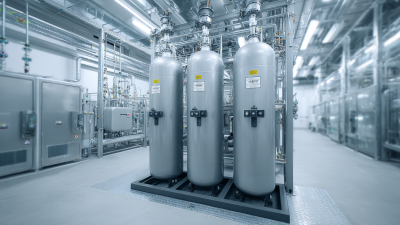
Choosing the right air compressor air dryer is critical for optimal performance. Industry expert John Smith, a renowned HVAC consultant, emphasizes, “The quality of your air dryer can make or break your air compressor efficiency.” This statement underscores the importance of selecting the right equipment.
When considering an air compressor air dryer, multiple factors come into play. You need to assess the size of your compressor and the specific applications it serves. Moreover, the environmental conditions where the equipment operates can influence your choice. A dryer that works well in one setting may not perform effectively in another.
It is vital to understand your operational demands clearly. An undersized or overly utilized dryer can lead to moisture problems and equipment failure. Reflecting on industry trends, many users underestimate this aspect. They often regret neglecting this crucial link. Prioritizing quality here pays off in the long run.
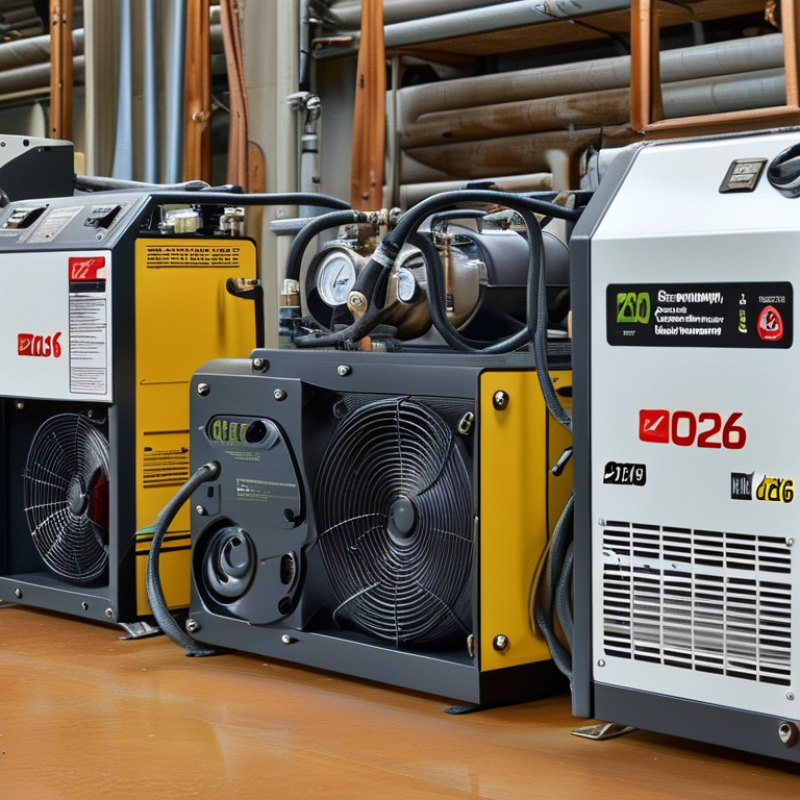
Choosing the right air compressor air dryer is crucial for optimal performance. It can significantly impact the efficiency of tools and equipment. One key factor to consider is the drying method.
Refrigerated dryers are common; they cool the air to condense moisture. In contrast, desiccant dryers remove moisture through adsorption. According to industry reports, refrigerated dryers can achieve up to 40°F pressure dew point, while desiccant types can reach -40°F. This difference can affect your operations.
Another important factor is the flow rate. The right dryer must match the compressor's output. A mismatch can lead to excess moisture, damaging sensitive equipment. Look for dryers rated for at least 10% more than your compressor’s CFM (cubic feet per minute) output to allow for variations. Many facilities experience pressure drop from poorly matched systems, leading to inefficiencies and potential equipment failure.
When selecting a dryer, consider the environment. Factors such as temperature, humidity, and application type influence the choice. For instance, a high-humidity area may require a more robust dryer. It’s essential to reflect on your specific conditions. Regular maintenance of the chosen dryer also enhances reliability. Clear out moisture traps and check filters regularly to ensure optimal performance.
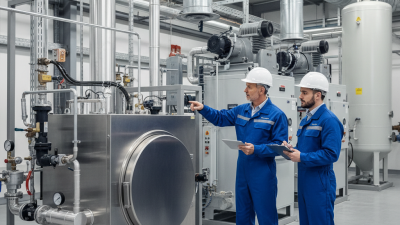
Selecting the right air dryer technology is crucial for efficient performance. There are several main types of air dryers, each with specific applications. Refrigerated dryers are popular for general applications. They cool down the compressed air, which condenses moisture. This is effective, but not ideal for extremely humid environments.
Another option is desiccant dryers. These use moisture-absorbing materials to achieve very low dew points. They are excellent for sensitive processes that require dry air. However, their maintenance can be more demanding. Membrane dryers offer a compact design and are lightweight. They separate moisture using a selective permeable membrane. This technology is energy-efficient but may not suit high-capacity needs.
In selecting an air dryer, consider your specific application. Think about your moisture levels and pressure requirements. The right choice balances performance and reliability. Evaluating the operational costs over time can also reveal hidden challenges. Each technology has its pros and cons, making it important to reflect on your actual needs. Seek expert insights when in doubt, as making the right choice can significantly enhance productivity.
| Air Dryer Type | Technology | Applications | Advantages | Disadvantages |
|---|---|---|---|---|
| Refrigerated Dryer | Cooling Method | General industrial applications | Energy efficient, low maintenance | Limited dew point reduction |
| Desiccant Dryer | Adsorption Method | Pharmaceutical, food and beverage | Low dew point levels, high performance | Higher operational costs, requires regeneration |
| Membrane Dryer | Selective Permeation | Electronics, instrument air | Compact design, low maintenance | Limited flow rates and efficiency |
| Cyclone Separator | Centrifugal Force | Pre-treatment in compressed air systems | No energy consumption, low maintenance | Ineffective for fine particles |
| Heatless Desiccant Dryer | Regeneration using compressed air | High purity air applications | Suitable for low temperatures, effective moisture control | High air consumption during regeneration |
Selecting the right air dryer often requires a careful assessment of your air compressor system. Sizing your air dryer correctly is crucial for maintaining optimal performance. It ensures that your compressed air remains dry, which can prevent costly damages to machinery. According to industry reports, undersized dryers may lead to inadequate drying and increased maintenance. This can cause operational inefficiencies, resulting in potential downtime.
When sizing an air dryer, consider the flow rate of your air compressor. The dryer should match or slightly exceed this rate to function effectively. The Compressed Air and Gas Institute suggests that a good rule of thumb is to size the air dryer for 25% more capacity than your maximum air demand. Utilizing this guideline can help maintain consistent performance and minimize risk.
Environmental factors also play a role. Humidity levels can vary greatly depending on your location. For example, in humid climates, air dryers may need to work harder to maintain desired dryness levels. Some users overlook these factors, leading to an imbalance between their air systems. Regular assessments are necessary to ensure that your dryer remains appropriately sized for changing conditions.
Maintaining air compressors and air dryers is crucial for optimal performance. Regular maintenance can significantly extend the lifespan of your equipment and enhance efficiency. According to a recent industry report, nearly 30% of compressor failures are linked to inadequate maintenance practices. Ensuring your equipment is in good working order can save costs and prevent unexpected downtime.
Regularly check air filters and replace them as needed. Clogged filters can reduce airflow and increase energy consumption. Aim to inspect them monthly, especially in dusty environments. Monitor oil levels and change the oil according to the manufacturer's guidelines. Oils degrade over time, impacting performance and lubrication.
Keep the equipment clean. Dust and moisture accumulation can lead to corrosion and rust. Using a moisture separator can help minimize issues caused by humidity. Ensure all connections are tight to prevent air leaks. A simple leak can cost businesses thousands of dollars in wasted energy. Regular inspections of fittings and hoses are recommended to identify wear and tear early.
When selecting an air dryer, cost-effectiveness and energy efficiency are paramount. Many factors influence the overall expense. Initial purchase costs, ongoing energy consumption, and maintenance should all be considered. A more energy-efficient model may have a higher upfront cost but save money over time. Evaluating the energy consumption rate is essential, as it directly impacts utility bills.
Understanding your specific application can guide your decision. For example, industrial operations may need powerful drying systems. Smaller shops may find that less robust, energy-efficient models suffice. Monitoring airflow and humidity levels can also enhance efficiency. Look for systems with built-in controls that adjust output based on real-time conditions. This adaptability can lead to significant energy savings.
Addressing potential shortcomings is vital. Some air dryers may not perform well under varying humidity levels. Routine maintenance is often overlooked but essential for optimal function. Regular checks ensure the system operates efficiently. Consider these factors before making a purchase to ensure long-term value.
Please share your email with us to see your results.