How to Choose the Best Strap Latches for Your Needs?
Choosing the right Strap Latches starts with the job they must do, not their finish or price. Will the latch secure a tool-box lid, a vibrating machine cover, or an outdoor storage panel? Each use brings different loads, movement, and exposure to moisture. A latch that feels firm on a workbench may loosen after months of vibration. Details matter.
Grand View Research’s Industrial Fasteners Market report estimated the broader market at USD 89.83 billion in 2023 and forecast a 4.7% compound annual growth rate from 2024 to 2030. That figure covers many fastening products; it is not a Strap Latches market estimate. Still, it points to a practical lesson: fastening choices span varied industries and operating conditions. Compare rated load, strap material, adjustment range, mounting pattern, corrosion resistance, and ease of release. Check the manufacturer’s test conditions, too. A load rating without context can mislead.
Fit matters. So does the operator’s hand.
A specific, independently verifiable quotation from a named Strap Latches specialist was not available to me, so I won’t invent one. That restraint is useful here: product advice should be traceable to test data and stated assumptions. This guide will help you match latch design to the actual load, environment, and service routine—while flagging compromises worth a second look. A cheaper latch may work perfectly. Or it may demand replacement sooner.
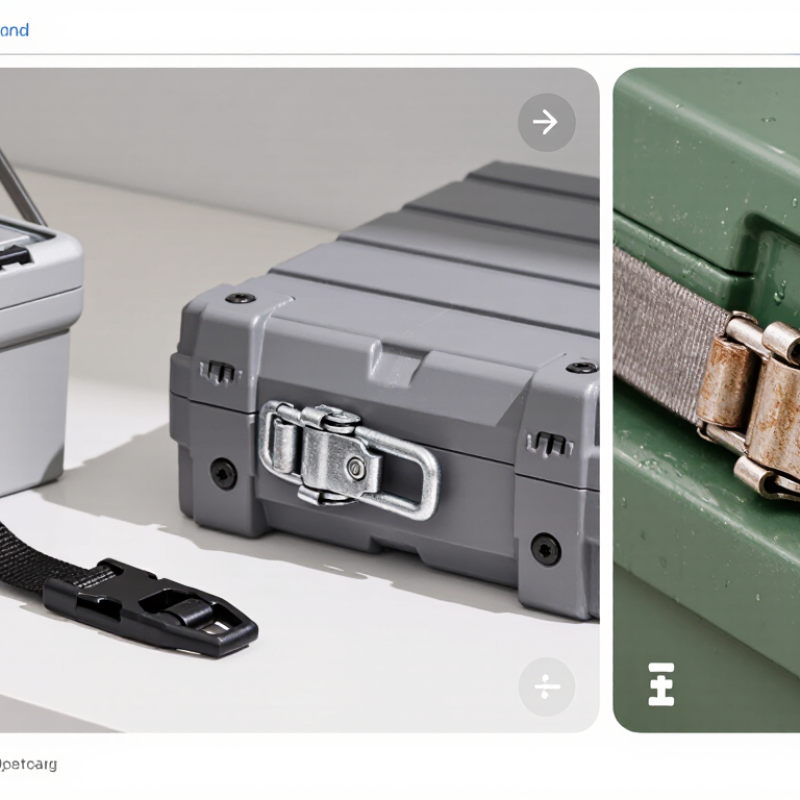
Understanding Strap Latches and How They Work
A strap latch uses a flexible band and a fastening mechanism to hold a lid, panel, or bundle in place. Depending on its design, the strap may tighten through a cam buckle, ratchet, or over-center lever. Pulling the strap creates tension; the latch helps maintain it. Simple in principle. The details matter.
To choose one, consider what it will secure, how often it will be opened, and what conditions it will face. A light fabric strap may suit a storage cover, while a reinforced strap and corrosion-resistant hardware may be more appropriate near moisture. Check the stated load capacity, but do not treat that number as a complete guarantee. Uneven loading, worn stitching, and sharp edges can all affect performance.
Fit matters too. The strap should sit flat, without twisting, and the latch should close without excessive force. After fastening, tug the secured item gently and check for slipping. A quick check is useful, but it cannot reveal every weakness. In practice, people sometimes overlook the strap path itself; a small misalignment can cause rubbing over time. Inspect it periodically, especially if the latch sees frequent use. A little uncertainty is normal when loads vary, so leave a sensible margin rather than relying on a tight fit alone.
Identifying Your Application and Operating Conditions
Before choosing a strap latch, define what it must hold and how often it will move. A storage-box lid sees different stresses than a vibrating equipment cover. Note the panel’s weight, the direction of pull, and whether pressure can build behind it. Small details matter. Measure the gap between surfaces, too; seals, trim, or a misaligned frame can limit latch reach.
Consider where and how the latch will operate. Outdoor exposure, washdown, dust, salt air, and temperature swings can affect metals, springs, and coatings. Choose corrosion-resistant materials where moisture is routine, and check that the finish suits nearby surfaces. In a hot machinery area, verify the rated temperature rather than judging by appearance. Also assess vibration: a latch that stays closed on a bench may loosen on moving equipment. A secondary retainer may help when accidental release could cause damage.
Think about hands, tools, and maintenance. Will an operator wear gloves? Is there room to pull the handle without pinching fingers or hitting an adjacent panel? A quick-release style may save time, while an adjustable draw latch can accommodate modest wear or changing seal thickness. Do not over-tighten it; compressed seals and bent panels are easy to overlook. Test a sample under actual load, dust, and vibration. Fit matters. Access clearance is easy to miss during a quick check.
Comparing Strap Latch Types, Materials, and Adjustability
Choosing a strap latch starts with the way you need it to open and hold. Over-center latches clamp firmly and suit rigid cases or panels. Buckle-style designs allow quick adjustment, while ratcheting types can tighten longer straps around bulky loads. Check the latch’s rated capacity and mounting points; a strong strap can still fail if its fittings are poorly aligned. Fit matters.
Material affects durability. Stainless steel resists moisture, making it useful near wash areas or outdoors. Plated steel often works well in dry indoor settings, while polymer straps offer flexibility and resist scuffs. Sunlight, temperature changes, and repeated tension can still wear materials down. A common oversight is choosing by appearance alone. It is easy to miss how often the latch will be adjusted.
Tips: Measure the closed strap path, including corners and padding. Leave enough adjustment range for small changes in load size, but avoid excess slack. Before regular use, close the latch several times and check that it stays secure without forcing it. If the fit feels awkward, reconsider the latch type or mounting position; the first choice is not always the best one.
Selecting the Right Latch and Checking Installation Fit
Selecting a strap latch starts with the strap and the job it must do. Measure the strap’s width and thickness, then check that the latch accepts both without pinching or sliding. Note the closing direction, available hand clearance, and whether the strap will face vibration, moisture, or repeated opening. A latch that closes easily on a workbench may bind once mounted against a panel. Small details matter.
Check the latch’s rated working load against the actual load, including movement or shock; do not rely on the breaking strength alone. Confirm that the mounting surface is strong enough for the fasteners, and that the latch reaches its locked position without forcing the strap. The U.S. Bureau of Labor Statistics reported 2.6 million nonfatal workplace injuries and illnesses in private industry in 2023. That figure is not latch-specific, but it reinforces the value of dependable, repeatable handling. Test it loaded. Open and close the assembly several times, then inspect for strap creep, loose screws, sharp edges, or awkward finger access. A bench test alone is not enough. I would recheck the fit after real use, because wear and settling can reveal problems that a neat first installation hides.