Choosing the right pneumatic hose is crucial for efficient operation in various industries. With a multitude of options available, the selection process can be overwhelming. Finding the most suitable pneumatic hose requires understanding your specific needs. Consider factors like pressure ratings, materials, and application requirements.
Pneumatic hoses come in various sizes and configurations. Each type serves different functions in systems that rely on compressed air. From construction to manufacturing, these hoses play a vital role. Selecting the wrong hose can lead to inefficiencies or failures. This not only affects equipment but can also impact overall safety.
Evaluating your requirements is key. Are you working in high-temperature environments? Or do you need resistance to chemicals? Each scenario demands a different kind of pneumatic hose. By clearly defining your needs, you'll minimize mistakes. Making an informed choice will not only enhance performance but also ensure longevity.
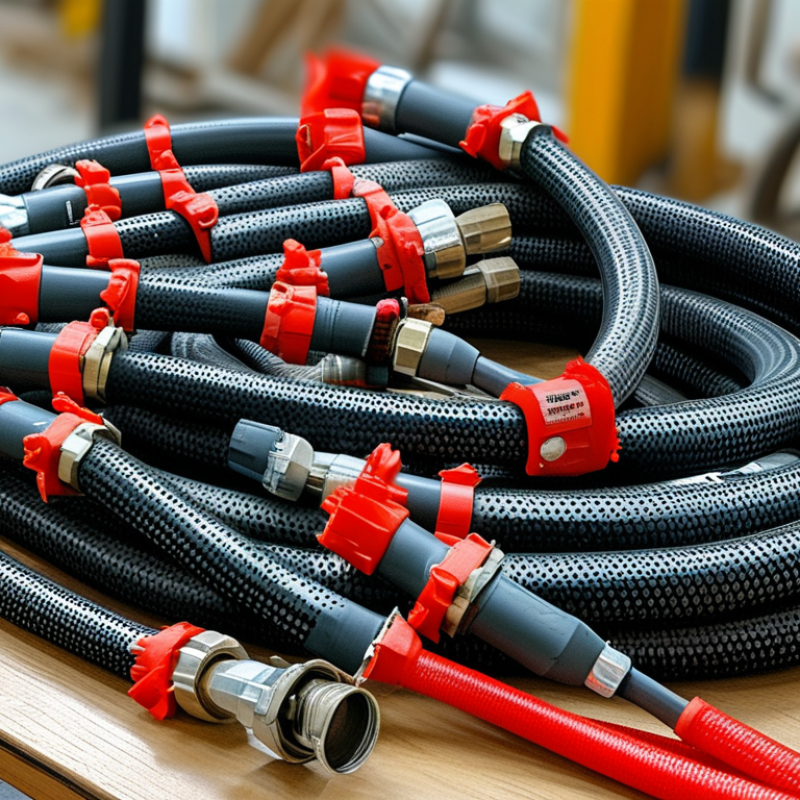
Pneumatic hoses play a crucial role in many industries, from manufacturing to construction. Understanding the different types of pneumatic hoses can significantly enhance operational efficiency. For instance, polyurethane hoses are highly flexible, making them ideal for tight spaces. Conversely, rubber hoses are noted for their durability and ability to withstand extreme conditions. According to a report by MarketsandMarkets, the global pneumatic hose market is projected to reach $2.8 billion by 2026, indicating the growing demand for diverse applications.
Selecting the right pneumatic hose involves considering specific needs. For low-pressure applications, soft PVC hoses may suffice, while high-pressure systems require reinforced options. It’s essential to factor in the operating environment. Chemical exposure or extreme temperatures can degrade certain materials. Look for hoses that offer resistance and longevity. Regular inspections help identify wear and damage early, ensuring safety and reliability.
Tips: Always check the compatibility of the hose material with your air supply. Measuring diameter correctly prevents pressure loss. Also, consider the weight of hoses for portability. Each material type has its advantages and weaknesses. Understanding these can lead to smarter choices.

Choosing the right pneumatic hose is critical for efficiency and safety in various applications. Key factors to consider when selecting a pneumatic hose include material, pressure rating, and temperature resistance. According to industry reports, the global pneumatic hose market is expected to grow by 5.2% annually by 2025. Such data reflects the importance of making informed decisions when selecting hoses.
Material choice is essential. Rubber and thermoplastic elastomers are often preferred for their resilience. However, specific applications may call for different materials, impacting durability and flexibility. The pressure rating, measured in psi, indicates how much pressure a hose can withstand. Using a hose that does not meet the required pressure can lead to failure. About 30% of hose failure incidents are linked to incorrect pressure ratings.
Temperature resistance also plays a vital role. Hoses must perform within a specified temperature range. Operating outside this range can lead to reduced performance or damage. It’s reported that improper temperature handling can decrease hose lifespan by up to 50%. Users should consider these factors thoroughly, ensuring they choose a hose that aligns with their specific environment and needs.
When selecting pneumatic hoses, material type significantly influences performance and durability. Common materials include rubber, polyurethane, and nylon, each offering unique benefits and drawbacks. Rubber hoses are flexible and resistant to abrasion, making them ideal for various applications. However, they can be less resistant to chemicals and UV light.
Polyurethane is lighter and more resistant to abrasion and chemicals. It excels in high-pressure applications, yet it may not withstand extreme temperatures. Nylon hoses are robust and lightweight, ideal for pneumatic systems that require flexibility. Still, they can be susceptible to fatigue over time.
Tips for selecting the right material:
- Assess the environment: Chemical exposure and temperature extremes matter.
- Consider application needs: High-pressure requirements demand specific materials.
- Evaluate flexibility needs: Hoses should bend without breaking.
A study by the Pneumatics Institute found that improper material choice led to a 20% increase in maintenance costs for companies. Making informed choices will lead to lower downtime and improved efficiency in operations. A thoughtful approach helps avoid failures and ensures the best performance of your pneumatic systems.
| Material | Pros | Cons | Best Use Case |
|---|---|---|---|
| Polyurethane (PU) | Lightweight, flexible, abrasion-resistant | Not suitable for high-temperature applications | General industrial applications, air tools |
| Polyvinyl Chloride (PVC) | Chemical resistance, low cost | Less flexible, susceptible to UV damage | Water transfer, low-pressure applications |
| Rubber | Highly durable, flexible, temperature resistant | Heavier, more expensive than other materials | Heavy-duty applications, outdoor use |
| Metal | High pressure resistance, great heat tolerance | Heavy, prone to corrosion | High pressure systems, steam applications |
When selecting a pneumatic hose, size and pressure requirements are crucial. The right diameter affects airflow. A larger diameter hose reduces pressure drops. This can lead to improved efficiency and lower energy costs. According to industry data, a pressure drop of just 1 PSI can result in a 2% reduction in efficiency. Ensuring that your hose matches the pneumatic system’s specifications is vital.
Pressure ratings also matter significantly. Each pneumatic system has specific pressure requirements. Using a hose with insufficient pressure rating can lead to failures. For instance, operating a hose rated for 100 PSI at 120 PSI can result in explosive failures. A recent report from the Pneumatic Institute indicated that about 15% of accidents in pneumatic systems involved hose failures due to improper pressure ratings. This statistic highlights the importance of thorough evaluations.
Aside from size and pressure, consider the material. Different applications demand different materials. A hose made from rubber may not withstand high temperatures or chemical exposure. As materials and standards evolve, it’s essential to stay updated and choose wisely. Reflecting on past failures can guide future choices.
Pneumatic hoses are vital for efficient operation in various applications. However, they require proper maintenance to extend their lifespan. Regular checks can prevent unexpected failures. Here are some essential tips for maintaining your pneumatic hoses.
Inspect hoses frequently for signs of wear or damage. Look for cracks, abrasions, or discoloration. Any visual damage can drastically reduce performance. Replace worn hoses immediately to avoid leaks or further complications. Ensure connections are tight but not over-tightened. Over-tightening causes unnecessary stress on the hose.
Keep hoses clean and free from debris. Dirt can cause blockages, leading to pressure loss. Store hoses properly when not in use. Avoid sharp bends or kinks that can weaken the material. Consider temperature fluctuations as extreme heat or cold can affect hose durability. With simple, regular maintenance, you can ensure your pneumatic hoses function effectively and last longer.
Please share your email with us to see your results.