2026 How to Choose the Right Single Acting Steering Cylinder?
Choosing the right Single-Acting Steering Cylinder is crucial for optimal performance in various applications. According to a recent market study by Technavio, the global hydraulic cylinder market is expected to grow by over $1 billion between 2021 and 2025. With such significant growth, understanding the specifics of steering cylinders becomes increasingly essential.
Single-Acting Steering Cylinders, primarily used in mobile equipment and marine applications, occupy a vital niche. They offer advantages like simplicity and cost-effectiveness while providing efficient solution options. However, selecting the wrong cylinder could lead to performance issues or safety hazards. Factors such as load capacity, stroke length, and environmental conditions play a significant role in this choice.
Reliability is paramount in choosing a steering cylinder. Not all manufacturers adhere to the same quality standards. Inconsistent quality can lead to failures. Always consider reputable suppliers and tested products. Aligning choices with application needs ensures smooth operation and promotes longevity. Reflecting on these aspects is critical for making an informed decision.
Understanding Single Acting Steering Cylinders: Key Features
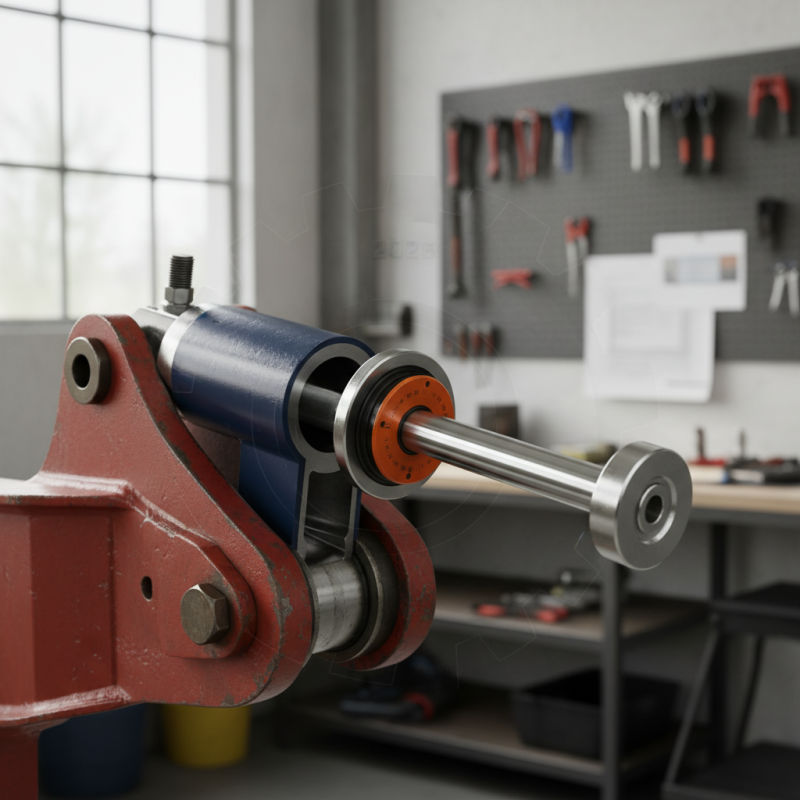
Choosing the right single acting steering cylinder requires a deep understanding of its features. These cylinders are essential for various applications, often found in marine and agricultural machinery. A key characteristic is their simplicity. They operate using hydraulic fluid to create movement in one direction, relying on a spring or gravity to return to the neutral position. This straightforward mechanism minimizes potential failure points, making them a reliable choice.
Another important aspect to consider is the force exerted. Single acting cylinders have specific ratings for pressure and force. It's crucial to match these ratings with your application requirements. An underestimated pressure rating could lead to operational failures. Moreover, the size and stroke length matter. A cylinder that’s too short won't provide adequate steering capability. On the other hand, excessive length can hinder performance.
In addition, quality matters. Not all materials are created equal, and that's a point where reflection is needed. Opting for cheaper alternatives could result in quicker wear and tear. For reliable performance, choose cylinders with adequate certifications. Lastly, consider maintenance needs when selecting a cylinder. Regular inspections can prevent unexpected downtime and ensure safety during operations. Balancing these factors is vital to make an informed choice.
Evaluating Application Requirements for Steering Cylinders
When selecting a single acting steering cylinder, evaluating application requirements is crucial. Understanding the specific needs of your machinery can make a significant difference in performance. For instance, hydraulic steering systems typically require cylinders that handle varying pressures and loads effectively. According to industry data, improper selection can lead to decreased efficiency and increased maintenance costs.
Tip: Always assess the maximum load and pressure your application will impose. This assessment helps ensure your chosen cylinder can withstand operational demands without failure.
Additionally, consider environmental factors. Exposure to elements like moisture and temperature extremes can affect durability. Industry reports indicate that cylinders designed for harsh conditions generally have longer lifespans. Reflecting on the specific environment of use can prevent premature wear and enhance reliability.
Tip: Look for materials and seals tailored for your operating conditions. These choices can mitigate risks associated with environmental damage and improve overall functionality. The right selection, based on thorough evaluation, leads to better productivity and cost-effectiveness in the long run.
2026 How to Choose the Right Single Acting Steering Cylinder?
This chart illustrates the evaluation of different parameters to consider when selecting a single acting steering cylinder for various applications. The values represent the importance level (from 1 to 10) of each parameter.
Selecting Cylinder Size and Configuration for Optimal Performance
Selecting the right single acting steering cylinder is crucial for efficient hydraulic steering systems. The cylinder size must match the vehicle's specifications. A proper size ensures adequate steering response without unnecessary strain. An oversized cylinder may react too quickly, leading to instability. Conversely, an undersized cylinder might struggle, affecting control.
Configuration also plays a vital role. Consider the mounting options and stroke length. The wrong configuration can limit movement, causing poor performance. Ensure that the mounting points align with the steering mechanism. Analyze how the cylinder interacts with other components. Misalignment may lead to failures or inefficiencies.
Remember that testing and adjusting configurations are essential. If the initial choice doesn't yield optimal results, revisit your selections. Experimenting with different sizes and angles can provide better performance. Track feedback from users. This information can drive future improvements. Emphasize practicality and adaptability in your choices.
Assessing Material and Durability Considerations
When selecting a single acting steering cylinder, assessing material and durability is vital. The right material enhances performance and extends the lifespan. Common materials include aluminum, steel, and composite materials. Each has unique strengths and weaknesses. For instance, aluminum is lightweight but can be less durable than steel. On the other hand, steel offers robustness but adds weight.
Durability is equally important. Extreme weather conditions may affect performance. Corrosion resistance is a critical factor. A cylinder with corrosion-resistant coatings can resist harsh elements. Regular inspections can help identify wear and tear early. This proactive approach can prevent costly replacements.
Tips: Always check the specifications for compatibility with your system. Consider environmental factors. High humidity environments may require specific materials. Prioritize cylinders with proven durability ratings. Investing time in material assessment can save money in the long run.
Identifying Reliable Manufacturers and Suppliers in the Market
Selecting a reliable manufacturer or supplier for single acting steering cylinders requires a keen eye. A 2023 market report indicated that about 40% of companies struggled with quality issues stemming from unreliable suppliers. This underscores the importance of thorough research before making a purchase.
Consider industry credentials. Many suppliers lack proper certifications. A manufacturer’s ISO 9001 certification can indicate a commitment to quality management. However, many companies may misrepresent their capabilities. Reviews and case studies provide insights, but they can be biased. Look for third-party evaluations or testimonials.
Another critical factor is scalability. Some manufacturers might meet immediate needs but may fail during larger orders. A report from Industry Week stated that 30% of businesses faced supply chain disruptions because their suppliers could not scale up effectively. Engage potential suppliers in discussions about their production processes and lead times to ensure they can meet your demands. Additionally, inspect prototypes or samples to verify quality before committing.
2026 How to Choose the Right Single Acting Steering Cylinder? - Identifying Reliable Manufacturers and Suppliers in the Market
| Parameter | Description | Value |
| Bore Size | The diameter of the cylinder bore | 50 mm |
| Stroke Length | The distance the cylinder can extend | 250 mm |
| Operating Pressure | The maximum pressure the cylinder can handle | 200 bar |
| Material | The primary material used in manufacturing | High-Strength Steel |
| Temperature Range | The operational temperature range | -20°C to 80°C |
| Warranty Period | The period during which the manufacturer guarantees repairs or replacements | 2 years |
| Certification | Quality certifications obtained by the manufacturer | ISO 9001 |