A Frequency Converter is an essential device in modern electrical systems. It serves to convert electrical power from one frequency to another. This conversion is crucial for various applications, including industrial machinery and renewable energy sources.
Understanding how a Frequency Converter operates requires knowledge of electrical principles. These devices utilize complex circuits and software for precise control. This technology ensures equipment operates efficiently across different regions or conditions. However, not all converters are created equal. Some may face issues like overheating or inefficiency at low loads.
When exploring Frequency Converters, one must consider the specific application. Each scenario can have unique requirements. This complexity can lead to challenges. Users must carefully evaluate their needs and the specifications of the converters available. Making the right choice can significantly impact performance and longevity.
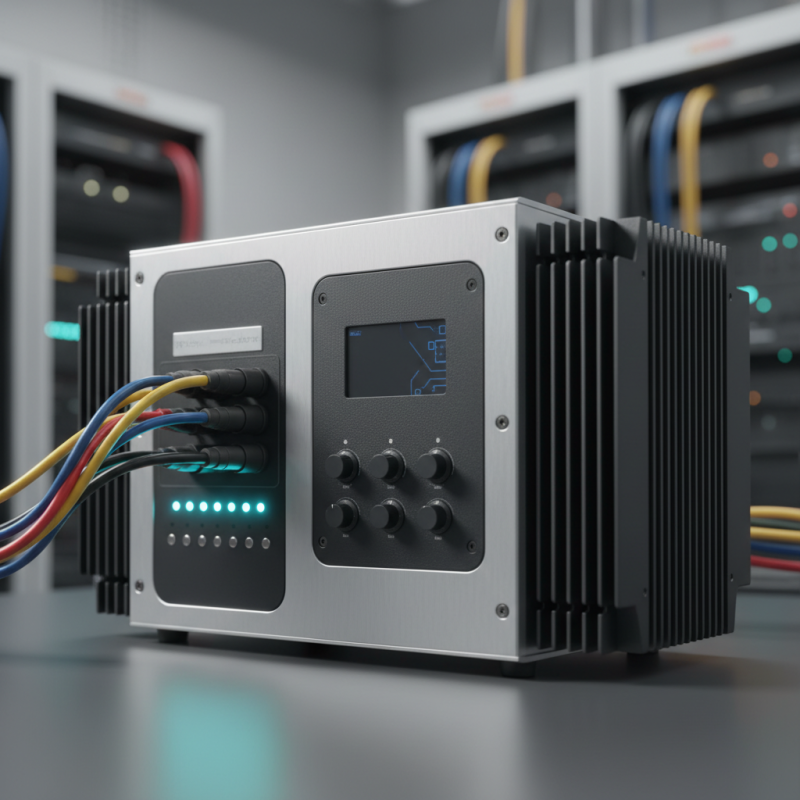
A frequency converter is essential in many modern applications. It changes the frequency of the electrical power supplied to motors. This process allows devices to operate efficiently under varying speed requirements. For instance, in manufacturing, different machinery requires specific operating frequencies. A frequency converter adapts the power source to meet these needs.
The importance of frequency converters extends to renewable energy sources too. Wind turbines and solar panels produce energy at varying frequencies. Converters enable these sources to integrate smoothly into the power grid. They enhance stability and energy quality. However, their complexity can lead to potential issues, like harmonics and inefficiencies. Addressing these challenges is crucial for optimal performance.
In the context of electric vehicles (EVs), frequency converters play a vital role. They help manage energy usage and motor performance. Without them, EVs would struggle with efficiency and range. Yet, the technology is still evolving. There is a need for ongoing research to resolve existing inefficiencies. This highlights the crucial dialogue between innovation and practical application in energy conversion.

In industrial and commercial settings, frequency converters play a vital role. They help control the speed and torque of electric motors. Common types include Voltage Source Inverters (VSI) and Current Source Inverters (CSI). According to a report by Research and Markets, the global frequency converter market is expected to exceed $10 billion by 2025. This growth is driven by the increasing demand for energy-efficient solutions.
VSI converters are widely used due to their efficiency. They work by converting the input voltage into a variable output frequency. CSI converters are better for applications requiring high power. The efficiency of these converters can impact overall system performance. Many facilities still rely on outdated systems. These systems may not utilize the latest technology, thus missing out on energy savings.
Another notable type is the Matrix Converter. It directly converts AC to AC. It lacks the need for a DC link, making it lighter and more compact. Adoption is slow in some regions, largely due to a lack of understanding and training. Proper implementation of these converters can lead to significant cost savings, improving overall operations. Investing in education and training in frequency converters ensures better choices in the long run.
This bar chart illustrates the distribution of different types of frequency converters used in industrial and commercial settings based on their applications. The data represents the percentage usage of each type in various sectors.
Frequency converters play a crucial role in adapting electrical energy for various applications. Their design involves key components that enhance functionality. At the core of a frequency converter are the rectifier, inverter, and filter. The rectifier converts AC to DC power. This process is essential for managing voltage levels.
The inverter then transforms the DC energy back into AC power but at a modified frequency. This alteration allows for better control of motor speeds in applications like conveyors or fans. Filters smooth out the output signal, ensuring consistent performance. These components work in concert to achieve desired operational outcomes.
Despite their usefulness, frequency converters can experience inefficiencies. For instance, heat generation is a common issue. This heat must be managed to avoid system damage. Additionally, improper installation can lead to fluctuating output frequencies. This instability may compromise equipment functionality. Regular assessment and adjustment are necessary to maintain reliability in frequency converters.
Frequency converters play a crucial role in enhancing energy efficiency across various industries. By adjusting the frequency of electrical power supplied to motors, these devices optimize the performance of equipment. According to a report by the U.S. Department of Energy, implementing frequency converters can result in energy savings of up to 30% in many applications. This is particularly vital in sectors such as manufacturing and HVAC, where equipment operates continuously.
Utilizing frequency converters also leads to significant cost reductions. For instance, a study from the International Energy Agency reveals that optimizing the speed of electric motors can lower operational costs by around 40%. However, proper installation and maintenance are essential. Poorly configured systems may negate these savings, causing inefficiencies. Therefore, companies must carefully evaluate their frequency converter applications to ensure maximum benefit.
Moreover, the initial investment in frequency converters can be a barrier for some companies. Yet, with life cycle savings often outweighing upfront costs, the long-term benefits make a compelling case. As industries strive for more sustainable practices, understanding the full impact of frequency converters is critical. Adaptation and oversight are necessary to truly realize their potential in promoting energy efficiency and reducing operational expenses.
Frequency converters are vital in various industrial applications. They adjust the frequency of electrical power, enabling machines to run smoothly under different conditions. A notable example is in wind turbines. They adapt the varying wind speeds to maintain a constant output frequency for the electrical grid.
Another practical use can be found in HVAC systems. Frequency converters control the speed of motors, enhancing energy efficiency. This process reduces power consumption and extends equipment lifespan. However, integrating a frequency converter may present challenges, such as compatibility issues with existing systems.
In transportation, frequency converters are crucial for electric trains. They convert the alternating current of the grid to a suitable frequency for train motors. This approach improves performance and reduces maintenance needs. Despite these advantages, installation costs can be high, and expertise is necessary for optimal operation.
| Application | Industry | Benefits | Input Frequency (Hz) | Output Frequency (Hz) |
|---|---|---|---|---|
| Wind Turbines | Renewable Energy | Increases efficiency and grid compatibility | 50 | 60 |
| Industrial Motors | Manufacturing | Improved speed control and energy savings | 60 | 50 |
| Railway Systems | Transportation | Enhanced operational efficiency | 50 | 16.7 |
| HVAC Systems | Building Management | Improved energy consumption management | 60 | 50 |
| Data Centers | Information Technology | Optimizes power quality and reliability | 50 | 60 |
Please share your email with us to see your results.