Why Choose a Fiber Laser Welding Machine for Your Business?

In today's fast-paced industrial landscape, choosing the right welding technology is crucial. The "Fiber Laser Welding Machine" stands out as a revolutionary tool in manufacturing. According to Dr. Emily Carter, a leading expert in laser technology, "Fiber Laser Welding Machines offer unmatched precision and efficiency for modern businesses." This statement underlines the growing importance of adapting advanced technologies.

Fiber laser technology is known for its ability to create strong, clean welds with minimal heat. This feature reduces warping and maintains material integrity. Many businesses have shifted to fiber laser machines to enhance productivity and quality. Yet, the transition to this technology can be challenging. Not every company fully understands the benefits, and initial costs can deter some.

Moreover, some organizations face difficulties in training staff on these machines. Effective operation requires a solid understanding of laser principles and safety measures. While the potential for growth is significant, it is essential to weigh the investment against operational capabilities and long-term goals. Making an informed decision about adopting a Fiber Laser Welding Machine means analyzing both the advantages and the hurdles involved.
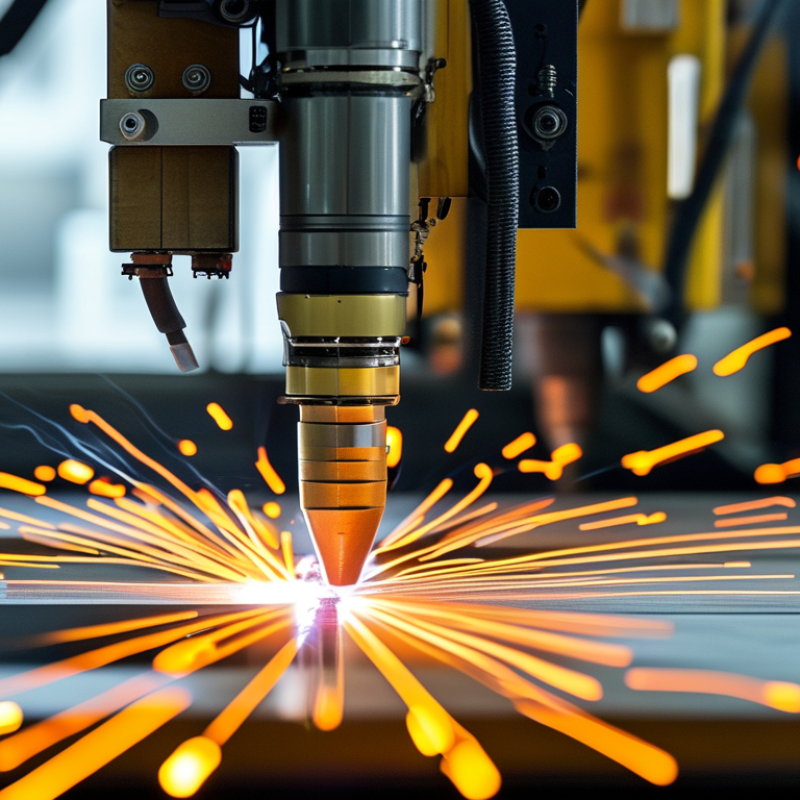
Why Choose a Fiber Laser Welding Machine for Your Business?

Advantages of Fiber Laser Welding Machines Over Traditional Methods

Fiber laser welding machines are revolutionizing the manufacturing landscape. They offer distinct advantages over traditional welding methods. One of the most notable benefits is precision. Fiber lasers focus on a small area, creating clean and strong welds. This precision reduces the risk of damaging surrounding materials. It also minimizes the need for extensive finishing work after welding.

Speed is another significant advantage. Fiber laser welding can complete tasks faster than conventional methods. This increased efficiency can lead to higher productivity levels. Additionally, these machines can operate for longer periods without overheating. This reduces downtime and increases overall output.

Furthermore, fiber laser welding machines are more energy-efficient. They consume less power and can operate on lower energy settings while maintaining quality. However, investing in this technology might require upfront costs for training and setup. Companies need to weigh these factors carefully. Adopting new technology involves a learning curve and adjustments in workflow.


Impact of Fiber Laser Technology on Productivity in Manufacturing

Fiber laser technology is transforming the manufacturing landscape. Many businesses are adopting this cutting-edge technology due to its efficiencies. The precision offered by fiber lasers drastically reduces errors in welding. This precision means fewer defective parts and less material waste. As a result, manufacturers can boost their productivity significantly.

Additionally, fiber laser welding machines operate faster than traditional methods. They can complete welds quickly and accurately. This speed allows companies to increase their output, meeting customer demands promptly. However, the transition to fiber laser technology might require training for existing staff. Some may find it challenging to adjust to these advanced machines.

Moreover, maintenance can be a concern. Fiber lasers may need specific care, especially for optimal performance. Regular checks increase reliability but also demand time and resources. Some businesses face difficulties while ensuring that the equipment runs smoothly. Engaging with experts during this transition can provide valuable insights. Embracing fiber laser technology can have a substantial impact, but companies should proceed with thoughtful planning.

Impact of Fiber Laser Technology on Productivity in Manufacturing

Cost Efficiency: Analyzing the Return on Investment of Fiber Lasers

Investing in a fiber laser welding machine can significantly enhance your business's cost efficiency. These machines offer fast processing speeds, which lead to fewer labor hours spent on each project. As a result, manufacturers often see a drastic decrease in operational costs over time. The initial investment might seem high, but the long-term return often outweighs this expense.

When considering installation, think about the training for your staff. Proper setup and operation are crucial. Ensure your team is familiar with the technology to avoid mishaps that could lead to wasted materials or time. Small miscalculations can cause big losses.

Moreover, the durability of fiber laser machines plays a vital role in ROI. They require less maintenance compared to traditional systems. This can reduce downtime and repair costs significantly. However, keep in mind that different materials may require specific settings. Failing to adjust could result in subpar welds. Experiment with various settings to find the optimal approach for your projects. The learning curve may present challenges, but the rewards are often worth the effort.

Applications of Fiber Laser Welding in Various Industries and Sectors

Fiber laser welding technology is rapidly gaining traction across various industries. Its applications span automotive, aerospace, electronics, and medical sectors. According to a recent market report, the fiber laser welding market is expected to reach $1.2 billion by 2025, driven by increasing demands for precision and efficiency.

In the automotive industry, fiber laser welding is essential for creating lightweight and fuel-efficient vehicles. The technology is capable of joining dissimilar materials, which is crucial for modern automotive designs. Reports suggest that using fiber lasers can reduce welding time by up to 60%. This efficiency allows manufacturers to meet production demands while maintaining high-quality standards.

In the electronics sector, precision is key. Fiber lasers are increasingly used for welding delicate components due to their ability to focus energy on a small spot. This minimizes heat-related damage, which is vital for products like smartphones and computers. The market for laser welding in electronics is projected to grow at a compound annual growth rate (CAGR) of 7.8% over the next five years, reflecting the rising need for advanced manufacturing techniques. Yet, challenges remain, such as the need for skilled operators. This highlights the importance of continuous training and adaptation in a fast-paced technological landscape.

Why Choose a Fiber Laser Welding Machine for Your Business? - Applications of Fiber Laser Welding in Various Industries and Sectors

Industry/Sector Applications Benefits of Fiber Laser Welding
Automotive Welding of body panels, exhaust systems, and battery packs High-speed, precision welding with minimal heat distortion
Aerospace Joining complex components and lightweight materials Enhanced strength and reduced weight
Medical Devices Welding of surgical instruments and implants Non-contact process minimizing contamination
Electronics Welding of housings, connectors, and circuitry Precision and repeatability for high-quality products
Food Industry Sealing of packaging and welding of stainless steel equipment Hygienic process with no additional materials required

Future Trends in Fiber Laser Welding Technology and Market Growth Statistics

The fiber laser welding technology is rapidly evolving. It has carved a niche in various industries, due to its efficiency and versatility. Market analysts predict continued growth in this sector. The increasing need for precision and speed drives demand for these machines. Many businesses are adopting fiber lasers for their superior performance.

Investing in fiber laser welding can be compelling. The operational costs are often lower, thanks to reduced energy consumption. Additionally, these machines can weld a variety of metals with exceptional precision. Recent trends indicate a rise in automation, enhancing consistency in manufacturing processes. This could lead to higher productivity in factories.

Tips: Always assess your specific welding requirements. This can help you choose the best machine for your needs. Regular maintenance is crucial to extend the lifespan of your equipment. Many companies overlook this aspect, leading to unexpected downtimes. Ensuring proper training for your staff can maximize the laser machine's potential. Remember, investing in technology is about balancing cost and benefit.

Members of