Essential Tips for Choosing the Right Batching Plant Concrete?

Choosing the right Batching Plant Concrete is crucial for construction projects. According to a report by Research and Markets, the global ready-mix concrete market is expected to grow significantly, reaching USD 1 trillion by 2026. This surge in demand emphasizes the importance of selecting quality batching plants.

One must consider various factors when choosing batching plant concrete. The technology used in these plants plays a vital role in the mix quality and delivery efficiency. Many industry experts recommend investing in advanced systems to enhance production efficiency and reduce waste. Moreover, understanding the specific needs of your project can lead to better outcomes. However, not all plants deliver on their promises, and thorough research is essential before making a decision.

It’s easy to overlook key details in batching plant concrete selection. Pricing, specifications, and brand reputation can cloud judgment. A plant that seems cost-effective may lack the reliability needed for large-scale projects. Reflection on past experiences and feedback from peers can help avoid common pitfalls in this critical choice.
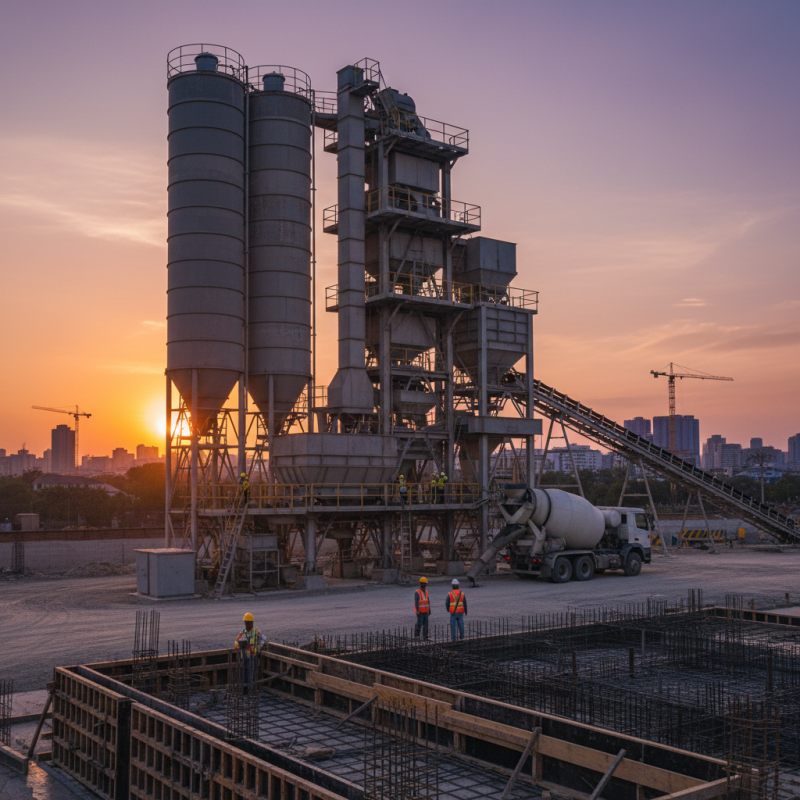
Essential Tips for Choosing the Right Batching Plant Concrete?

Identifying Your Project Requirements for Batching Plants

Choosing the right batching plant for concrete is crucial. It starts with understanding your project requirements. Consider the scale and complexity of your project. A small operation may need a mobile unit, while larger jobs require stationary plants. Assess your concrete production needs. How much concrete do you need on a daily basis? This will affect the size and capacity of the plant you choose.

Think about the site conditions as well. Is your location accessible for large machinery? Poor road conditions could hinder delivery. Moreover, consider the environment. Are there restrictions on emissions or noise levels? Review local regulations that could impact plant operations. These practical details often get overlooked but can be pivotal.

Finally, reflect on your budget. High-quality batching plants come at a cost. However, cheaper options may compromise reliability and efficiency. Weigh your priorities carefully. Your choice should balance quality, cost, and performance. In the end, it’s about making an informed decision based on clear, defined project needs.


Understanding Different Types of Batching Plants Available

When considering different types of batching plants, it’s important to understand their unique features. There are mainly two categories: stationary and mobile batching plants. Stationary plants are fixed and designed for high-capacity production. They are ideal for large construction projects that need continuous concrete supply. On the other hand, mobile plants offer flexibility. They can be moved from one site to another, making them suitable for smaller projects or those in remote locations.

Another consideration is the type of batching system. There are weigh batching and volume batching systems. Weigh batching is generally more accurate. It ensures consistent quality of concrete, which is crucial for structural integrity. However, it may require more maintenance. Volume batching, while simpler and faster, can lead to variations in concrete quality. It’s essential to weigh these factors carefully, as choosing the wrong system can affect project outcomes.

Compliance with industry standards is another critical aspect. Ensure the plant adheres to local regulations and safety guidelines. This compliance not only ensures quality but also helps maintain a good reputation. Having good equipment and skilled operators is vital. However, operators often face challenges, such as fluctuating material quality. Being aware of these issues allows for better decision-making during procurement.

Concrete Batching Plants: Types and Popularity

Key Features to Consider in a Batching Plant

When selecting a batching plant for concrete, several key features demand attention. The plant’s capacity is crucial. It should align with project requirements. Too small a plant can hamper productivity. Conversely, an oversized plant may lead to unnecessary costs. Balance is the key.

Another important feature is automation. Advanced batching plants offer automated systems for improved accuracy. This ensures precise ingredient measurements. However, maintenance of these systems can become complex. It's essential to consider your team's expertise here. Can they handle possible issues?

Finally, think about mobility. Some batching plants are stationary, others portable. Mobile plants are versatile. They can be relocated easily for various projects. But, are they as robust as permanent ones? Each choice has its trade-offs. Reflect on what best suits your operational needs and constraints.

Essential Tips for Choosing the Right Batching Plant Concrete? - Key Features to Consider in a Batching Plant

Feature Description Importance
Capacity The maximum amount of concrete the plant can produce per hour. Essential for meeting project demands.
Type of Mixer Type of mixer (drum, pan, or twin-shaft) affects batching quality. Influences mix consistency and quality.
Control System Automated or manual controls for seamless operation. Affects efficiency and precision of batching.
Durability Material quality that withstands heavy use and harsh conditions. Ensures longevity and reduces maintenance costs.
Portability Ease of transport and setup on different job sites. Important for projects that require mobility.
Maintenance Requirements Frequency and ease of maintenance necessary to keep the plant running. Critical for reducing downtime and ensuring productivity.
Energy Efficiency Energy consumption and possible green technology integration. Impacts operational costs and environmental footprint.

Evaluating the Cost and Budget for a Batching Plant

When evaluating the cost and budget for a batching plant, several factors come into play. First, the initial investment is crucial. A typical concrete batching plant can cost anywhere from $100,000 to over $1 million. This range greatly depends on capacity, features, and technology used. Premium models may offer automation, reducing labor costs, yet they come at a higher price. Understanding your project's scale can guide you in choosing the right model.

Maintenance and operational costs are equally important. Industry reports indicate that maintenance can account for up to 10% of a plant's total operating budget. Regular checks and replacements maintain efficiency. Neglecting this can lead to expensive downtimes. It's useful to factor in potential repairs and the lifespan of parts while planning your budget.

Additionally, fluctuating material prices can impact overall costs. Concrete's raw materials often experience volatility. Having a flexible budget can cushion against sudden price hikes. Investing in a comprehensive cost analysis tool can yield better insights into long-term expenditures. Ultimately, careful planning ensures your batching plant remains profitable and meets project demands efficiently.

Assessing Vendor Reputation and Support Services

When selecting a batching plant for concrete, evaluating vendor reputation is crucial. A reliable vendor often has a history of excellence in the industry. According to a report by the American Concrete Institute, 70% of projects falter due to poor vendor support. Understanding the vendor's track record ensures you choose a partner who can meet your needs.

A vendor's after-sales support is equally important. Look for vendors who offer robust technical assistance. Some studies indicate that projects with dedicated support teams experience 20% fewer operational delays. Before making a decision, ask for client testimonials. Reviews reveal not just strengths but also weaknesses that could impact your project.

Tip 1: Research online forums and industry reviews to gauge vendor credibility. Many users share their experiences there, highlighting the vendor's responsiveness.

Tip 2: Schedule an interview with potential vendors. This helps assess their communication skills and willingness to provide ongoing support.

Vendor reputation directly impacts project success. Gathering insights about previous client experiences can lead to more informed choices.

Members of