What Is Electrical Steel and Its Key Applications?

Electrical Steel plays a crucial role in various industries. Its unique properties make it ideal for applications in electrical machines. This material is designed to reduce energy losses in transformers and motors.

The manufacturing process of Electrical Steel involves careful control of its composition. This ensures optimal magnetic performance. However, achieving these ideal conditions can sometimes be challenging. Small variations can lead to inefficiencies in energy transfer.

Applications of Electrical Steel are diverse. It is used in everything from electric vehicles to renewable energy systems. While its demand grows, manufacturers must address the challenges of production. Balancing cost and quality remains a constant struggle. Understanding Electrical Steel is essential for any innovation in the electrical sector.
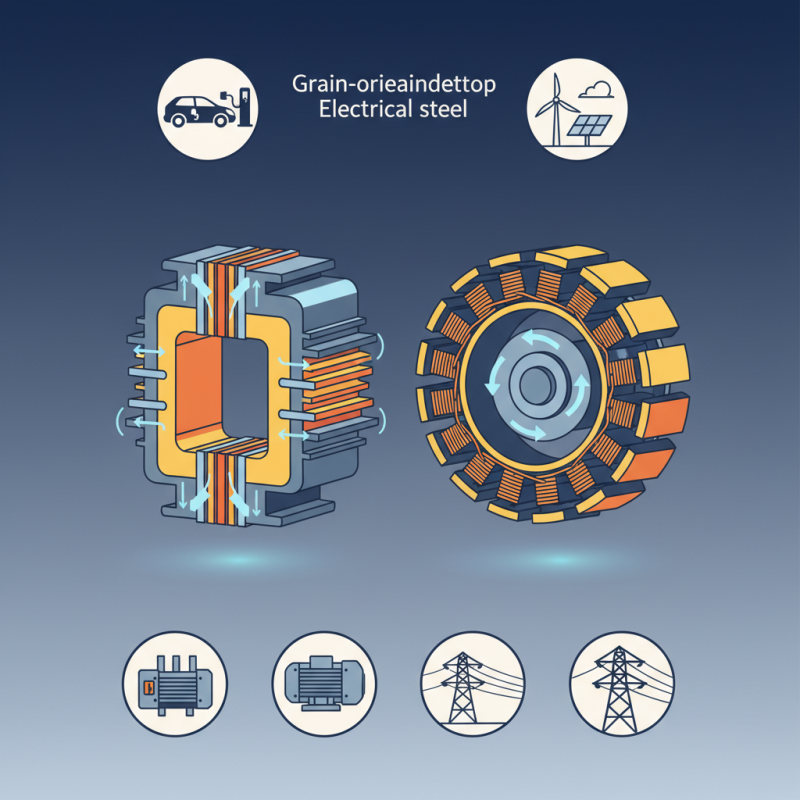
What Is Electrical Steel and Its Key Applications?

What Is Electrical Steel? Definition and Composition Overview

Electrical steel, often referred to as silicon steel, is a specialized type of steel designed for electrical applications. It typically contains a significant amount of silicon, usually between 2% and 4%. This addition helps decrease the electrical losses that occur when the steel is subjected to magnetic fields.

The composition of electrical steel varies depending on its specific application. For instance, grain-oriented electrical steel is often used in transformers. This type has a specific crystal alignment that enhances its magnetic properties. Non-oriented electrical steel, on the other hand, is suitable for electric motors. The choice of type affects efficiency and performance.

In practice, the manufacturing process can sometimes lead to inconsistencies. Some batches may not achieve the desired magnetic properties. This can affect the overall efficiency of devices. Engineers often need to test materials thoroughly. Variability in composition might lead to unanticipated challenges. These reflections on production stress the importance of quality control in the industry.


Electrical Steel Key Applications

Electrical steel is essential in various applications due to its magnetic properties. This chart illustrates the percentage of usage across different applications such as transformers, electric motors, generators, inductors, and power electronics. Each segment indicates the significance of electrical steel in these sectors.

The Importance of Electrical Steel in the Electrical Industry

Electrical steel plays a crucial role in the electrical industry. This specialized steel is used primarily for the production of electrical transformers and motors. Its unique properties, like high magnetic permeability, help reduce energy loss. In a world striving for energy efficiency, electrical steel is more important than ever.

The production of electrical steel requires precision. Each sheet must be thin to minimize loss during energy transfer. However, not every manufacturer achieves the same standards. Quality can vary, leading to inefficient performance in electrical devices. This reflects a need for continuous improvement in production processes.

Moreover, electrical steel is essential for renewable energy applications. Wind and solar power rely on efficient electrical systems, where electrical steel helps improve performance. Yet, the focus on sustainability brings challenges. Steel production itself has environmental implications. Balancing efficiency and sustainability requires ongoing attention and innovation in the industry.

Key Applications of Electrical Steel: Motors, Transformers, and Generators

Electrical steel plays a crucial role in the functioning of various machines. It is specially designed to enhance electromagnetic properties. This material is vital for electric motors, offering high efficiency and performance.

In motors, electrical steel helps reduce energy losses. It improves magnetic flux, enabling smoother operation. This is especially important in applications like electric vehicles, where efficiency translates to longer range. However, sourcing high-quality electrical steel can be challenging. The production process must balance cost and performance.

Transformers also rely heavily on electrical steel. These devices need transformers to minimize energy loss during power transmission. The right steel can enhance stability and reduce noise. Generators, much like motors, depend on this material for effective energy conversion. Yet, corrosion and wear over time can impact their performance. Addressing these issues remains an ongoing challenge for manufacturers.

Market Trends: Global Demand and Production Statistics for Electrical Steel

The global demand for electrical steel is steadily rising. This material is crucial for manufacturing transformers, motors, and generators. Its unique magnetic properties improve energy efficiency. Recent statistics show a significant increase in production, especially in developing countries.

Production trends indicate that Asia dominates the market. Countries like China and India show the highest growth rates. However, production in these regions faces challenges. Environmental regulations are becoming stricter, leading to higher operational costs. Sustainability has become a focal point, pushing companies to innovate.

Market dynamics suggest that while demand grows, supply chain issues may arise. Raw material costs fluctuate, impacting manufacturers' strategies. Additionally, competition among producers is intense. It creates pressure to improve quality while keeping prices competitive. Balancing quality and cost is a continual struggle for many. Companies must reflect on their approaches to meet future demands effectively.

What Is Electrical Steel and Its Key Applications? - Market Trends: Global Demand and Production Statistics for Electrical Steel

Region Production Volume (Thousand Tons) Demand Volume (Thousand Tons) Market Share (%)
North America 300 280 20
Europe 450 430 30
Asia-Pacific 1000 950 40
Latin America 150 140 5
Middle East & Africa 200 180 5

Innovative Developments: Advances in Electrical Steel Manufacturing Techniques

Innovative developments in electrical steel manufacturing are transforming the industry. Advanced techniques improve efficiency and reduce production costs. Research indicates that modern processes can enhance magnetic properties by up to 15%. This efficiency translates into significant savings for manufacturers.

Understanding these developments is crucial. Electrical steel's quality directly impacts the performance of electrical equipment. Optimized production methods ensure better grain orientation, leading to higher efficiency in motors and transformers. The global demand for high-performance electrical steel is growing, with an estimated market value increase to $37 billion by 2025.

Tips: Consider the environmental impact of electrical steel production. Sustainable methods are key to reducing waste. Adopt practices that minimize energy consumption. Investing in innovative technologies can yield long-term benefits, even if the initial costs are higher. Reflecting on the overall process can unveil areas for improvement.

Members of