In the world of industrial air management, desiccant air dryers play a vital role in maintaining optimal moisture control, thereby enhancing productivity and ensuring the longevity of equipment. According to Dr. Emily Stevens, a renowned expert in compressed air systems, “The efficiency of a desiccant air dryer can be the difference between operational excellence and costly downtime.” As industries across sectors strive to improve their processes, understanding the benefits, costs, and selection criteria for these systems becomes crucial.
Desiccant air dryers utilize desiccant materials to absorb moisture from compressed air, making them especially effective in environments where humidity control is paramount. While the initial investment may be higher compared to other drying technologies, the long-term benefits of minimizing corrosion and preventing equipment failure make desiccant air dryers a smart choice for many businesses. In this article, we will explore the various advantages of desiccant air dryers, analyze their costs, and provide insights on how to choose the right unit for specific needs, ensuring that firms can make informed decisions to boost their operational efficiency.
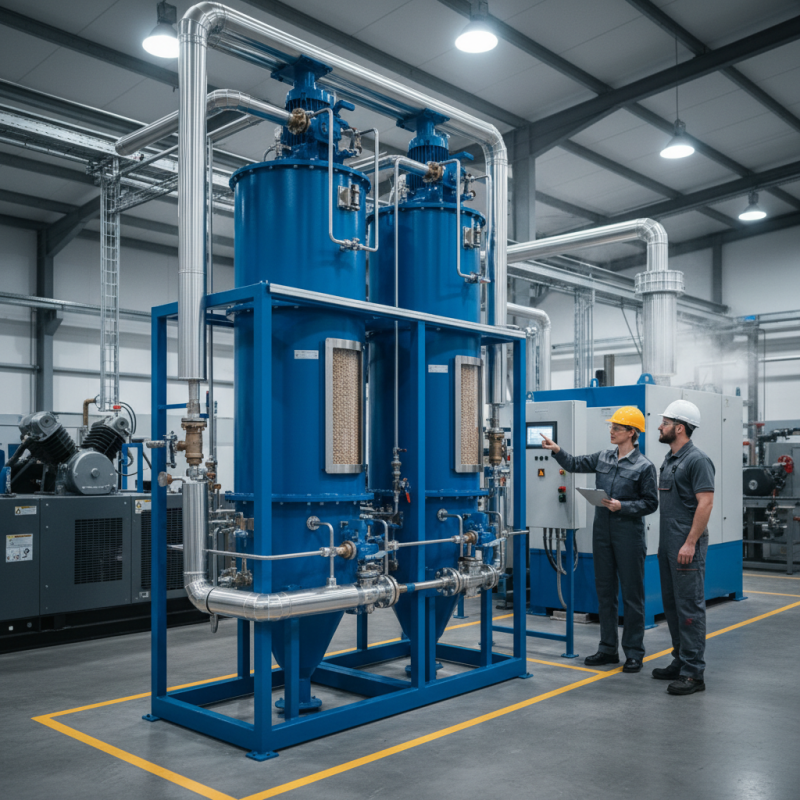
Desiccant air dryers play a crucial role in various industries by removing moisture from compressed air. Their functionality is primarily based on the desiccant material, which absorbs water vapor, creating dry air for processes that require specific humidity levels. These dryers typically utilize silica gel, carbon molecular sieve, or activated alumina as desiccants, which have excellent moisture-attracting properties. The design of desiccant air dryers often features dual chambers, allowing one chamber to adsorb moisture while the other regenerates the desiccant for continuous operation.
When selecting a desiccant air dryer, it’s essential to consider factors such as airflow capacity, pressure drop, and regeneration method. A dryer that meets the specific humidity control needs of your application will improve efficiency and equipment lifespan. Additionally, look for features such as automatic control systems and energy-efficient designs to optimize operation costs and ease of maintenance.
Tips: Regularly check and replace desiccant materials as needed to ensure optimal performance. Additionally, consider installing filters upstream of the dryer to prevent particulate contamination, which can reduce the effectiveness of the desiccant and prolong maintenance intervals. Finally, familiarize yourself with the operational limits and maintenance requirements of your chosen model to maximize its lifespan and efficiency.
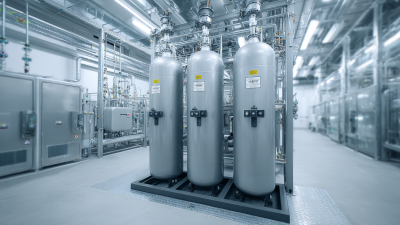
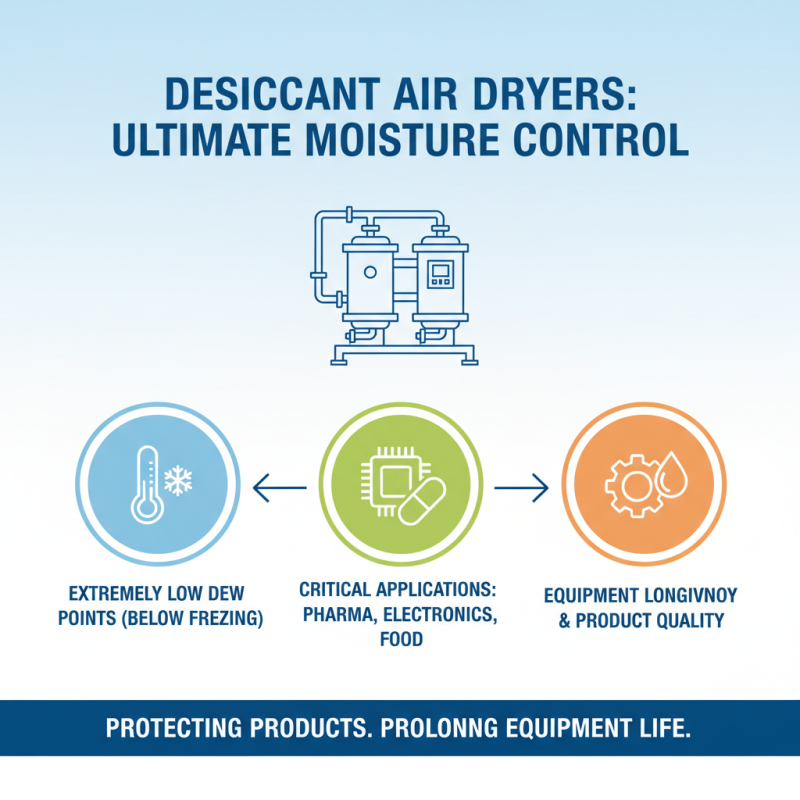
Desiccant air dryers are essential tools in various industries that require moisture control. One of the key benefits of using these dryers is their ability to achieve extremely low dew points, often below freezing temperatures. This is particularly advantageous in applications like pharmaceuticals, electronics manufacturing, and food processing, where even the smallest amount of moisture can compromise product integrity. By effectively removing moisture from the compressed air, desiccant dryers help in prolonging the lifespan of equipment and ensuring the quality of the final products.
Another significant benefit is their versatility across different operating conditions and environmental challenges. Unlike refrigerated air dryers, which may struggle in low temperatures, desiccant dryers maintain efficiency in various climates. This makes them suitable for industries operating in extreme conditions or places with fluctuating humidity levels. Additionally, they often come with minimal maintenance requirements, contributing to reduced operational costs over time. This reliability makes desiccant air dryers a preferred choice for businesses keen on optimizing their processes while ensuring quality and safety in their output.
When evaluating desiccant air dryers against other drying solutions, it's crucial to consider both upfront costs and long-term benefits. A recent report by the Industrial Drying Solutions Association indicates that while desiccant dryers can have a higher initial price point—ranging from $5,000 to $10,000, depending on capacity—they often offer lower operational costs compared to traditional refrigeration dryers. These reductions are primarily due to their energy-efficient designs and the ability to perform effectively in lower dew point conditions, which can lead to decreased energy usage by up to 20%.
Furthermore, desiccant air dryers excel in applications requiring stringent moisture control. According to a study from the Compressed Air and Gas Institute, desiccant systems maintain dew points as low as -40°F, making them ideal for sensitive environments such as pharmaceuticals and food processing. This capability effectively reduces the risk of corrosion and damage to sensitive equipment, potentially saving businesses from costly repairs or replacements. When factoring in these long-term savings and operational efficiencies, the initial investment in desiccant air dryers can be justified, particularly in industries where moisture control is paramount.
| Dryer Type | Initial Cost ($) | Operating Cost/Year ($) | Moisture Removal Capacity (scfm) | Lifespan (Years) | Maintenance Frequency (per Year) |
|---|---|---|---|---|---|
| Desiccant Air Dryer | 5,000 | 600 | 20 | 10 | 1 |
| Refrigerated Air Dryer | 3,000 | 400 | 10 | 15 | 1 |
| Membrane Air Dryer | 4,000 | 500 | 15 | 12 | 2 |
| Heatless Regenerative Dryer | 6,000 | 800 | 25 | 8 | 1 |
| Heated Regenerative Dryer | 7,000 | 700 | 30 | 10 | 1 |
When choosing the right desiccant air dryer, several key factors should be taken into account to ensure optimal performance and efficiency. Firstly, consider the specific application requirements. Different industries may have varying humidity control needs, so it's crucial to evaluate the moisture content of the air that needs to be processed. A dryer with adjustable settings or multiple capacities may be necessary to meet changing demands effectively.
Another important aspect is the energy efficiency of the unit. Desiccant air dryers can consume significant energy, particularly if they operate continuously. Look for models that incorporate advanced technologies, such as regeneration cycles or low-energy consumption modes, which can help to reduce operational costs over time. Additionally, the size and footprint of the dryer should align with your available space and installation requirements. A compact design might be necessary for limited areas, whereas larger units could be more suitable for expansive operations.
Lastly, maintenance considerations cannot be overlooked. Evaluate the ease of access to key components for routine checks and repairs, as well as the availability of replacement parts. A well-designed air dryer that allows for straightforward maintenance will promote longevity and reliability, making it a critical factor in your overall decision-making process.
This bar chart compares the initial cost, annual maintenance cost, and energy consumption of three different desiccant air dryers, highlighting important factors to consider when choosing the right one.
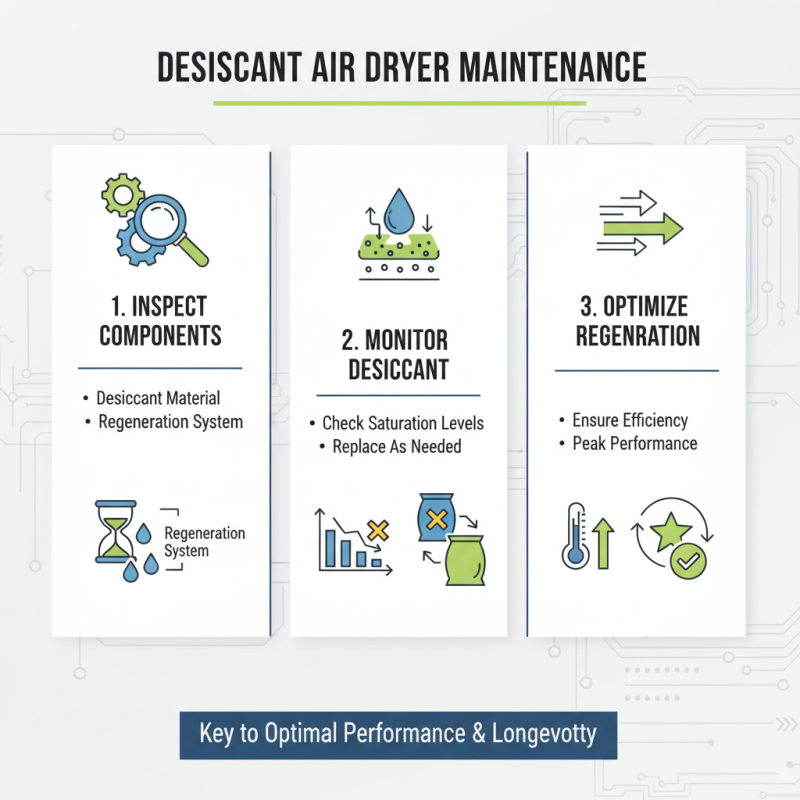
Proper maintenance of desiccant air dryers is crucial for ensuring optimal performance and longevity. Regular inspection of critical components, such as the desiccant material and the regeneration system, is essential. Over time, the desiccant can become saturated, diminishing its moisture-absorbing capabilities. To maintain efficiency, it’s advisable to check the saturation levels and replace the desiccant as needed. Additionally, monitoring the regeneration process can help identify any inefficiencies, ensuring the system works at peak performance.
Another important aspect of maintenance is ensuring that the air intake and exhaust systems are free from obstructions. Blockages can reduce airflow, causing the dryer to operate less effectively. Periodic cleaning and checking for leaks in the system can help mitigate these issues. Furthermore, maintaining proper operating conditions as outlined in the manufacturer's guidelines, including temperature and pressure settings, plays a critical role in prolonging the life of the dryer and maintaining the quality of the compressed air produced. Regular training for staff on proper operational procedures can also enhance the dryer’s performance and reduce the likelihood of costly repairs.
Please share your email with us to see your results.