What is a Clamp Saddle and How to Choose the Right One?

Choosing the right Clamp Saddle is crucial for any plumbing or mechanical project. A clamp saddle ensures secure connections within piping systems. Whether you are a seasoned professional or a DIY enthusiast, understanding clamp saddles can make a significant difference in your work.

The clamp saddle plays a vital role in distributing stress evenly across the joint. This helps prevent leaks and pipe damage. However, not all clamp saddles are created equal. Each type comes with specific features that cater to different applications. Careful consideration of the material, size, and design can enhance the longevity of your setup.

In your quest for the perfect clamp saddle, reflect on your project's unique requirements. Do you need a heavy-duty option for high pressure? Or, perhaps, a lightweight choice for a residential task? Thoughtful choices can lead to improved reliability and performance. Remember, the best solution often requires careful thought and a bit of trial and error.
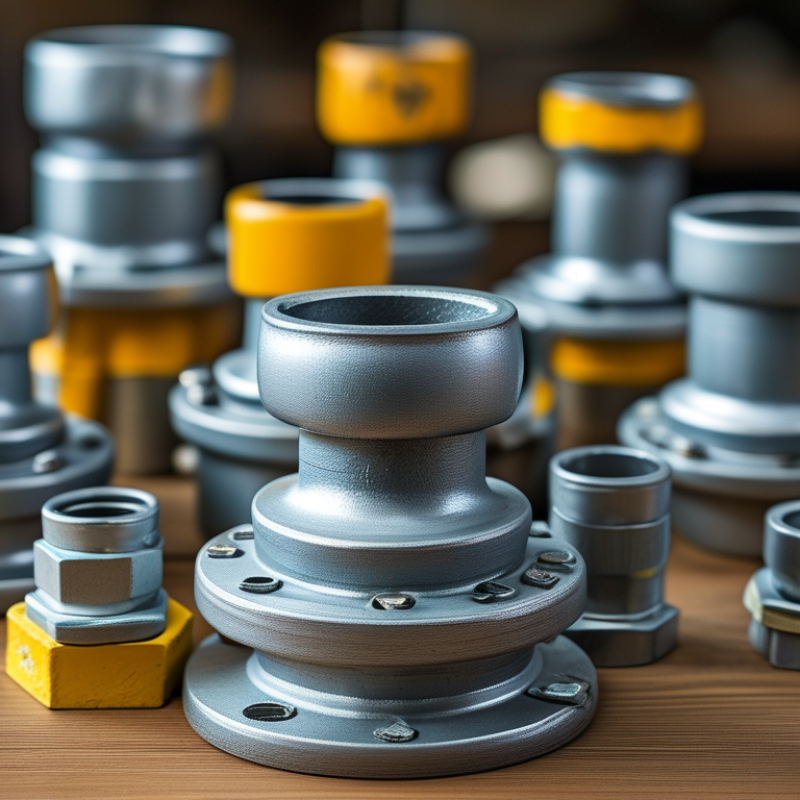
What is a Clamp Saddle and How to Choose the Right One?

What is a Clamp Saddle?

A clamp saddle is a vital component in various piping systems. It securely attaches pipes to a structure, ensuring stability and reducing movement. Made from durable materials, clamp saddles can withstand varying temperatures and pressures. Their design allows for quick installation, making them practical for both residential and commercial use.

When selecting a clamp saddle, consider the pipe size and material. Compatibility is crucial for effective performance. Improper fittings can lead to leaks and system failures. Checking the pipe diameter ensures a snug fit. Additionally, the environmental conditions where the saddle will be used matter. For example, corrosive environments may require specialized materials to prevent deterioration.

**Tips:** Ensure you regularly inspect the clamps for wear and tear. Sometimes, minor adjustments can prevent major issues. Always consult installation guidelines to avoid mishaps. Standard practice often overlooks the importance of proper alignment, which can significantly impact the system’s efficiency.

What is a Clamp Saddle and How to Choose the Right One?

Feature Description Material Options Applications
Design Clamp saddles are designed to securely hold pipes or cables in place, preventing unwanted movement. Plastic, Metal, Composite Plumbing, Electrical, HVAC
Size Variability Available in various sizes to accommodate different pipe diameters. Steel, PVC, Aluminum Construction, Marine Applications
Mounting Type Can be mounted using screws, bolts, or adhesive. Galvanized Steel, Stainless Steel Industrial, Residential
Load Capacity Various load ratings indicate how much weight they can support. Copper, Nylon Commercial Plumbing, Wiring Installations
Corrosion Resistance Some materials offer enhanced corrosion resistance for longevity. Coated Steel, High-Density Polyethylene Outdoor Installations, Marine Use

Different Types of Clamp Saddles and Their Applications

Clamp saddles are crucial in various applications, from plumbing systems to construction. Understanding their types can optimize performance and durability. Common types include split clamp saddles and full clamp saddles. Split clamp saddles are ideal for quick repairs without dismantling entire pipelines. In contrast, full clamp saddles offer comprehensive support in high-pressure applications.

Data suggests that selecting the right clamp saddle can increase system efficiency by up to 30%. For underground installations, corrosion-resistant materials are essential. Using materials like stainless steel can significantly enhance longevity and reduce maintenance costs. Additionally, choosing the right size is vital. An improper fit may lead to leaks or system failures.

Tips for selection: always assess the pressure ratings needed. Evaluate the environment where the saddle will be used. Remember that not all clamps are created equally. Small discrepancies in sizing can lead to failure. Regular inspections can identify potential issues before they escalate. Invest in quality clamps; they are often more reliable in the long run.

Factors to Consider When Choosing a Clamp Saddle

When selecting a clamp saddle, it's crucial to consider various factors that can impact performance and safety. One key element is the material of the clamp saddle. For example, stainless steel offers superior strength and corrosion resistance—ideal for harsh environments. In industries such as oil and gas, using the right material can prevent costly failures. According to industry reports, over 70% of pipeline failures stem from poor-quality components.

Another significant factor is the size and compatibility of the clamp saddle. An improper fit can lead to vibrations and increased wear on pipelines. Research shows that approximately 40% of maintenance issues arise from using mismatched parts. Evaluating the specifications of both the pipe and the saddle ensures a secure fit. Detailed assessment of load ratings is essential as well; selecting a saddle that cannot handle the necessary weight can result in catastrophic results.

Moreover, analyzing environmental conditions is vital. Temperature fluctuations, moisture levels, and exposure to chemicals play critical roles in the lifespan of clamp saddles. Reports indicate that products selected without considering environmental factors often have a reduced operational life by up to 30%. Thus, a careful approach to selection can enhance reliability and reduce the frequency of replacements, ultimately saving costs in the long run.

Installation Tips for Clamp Saddles

When installing a clamp saddle, careful attention to detail is essential for optimal performance. The alignment of the clamp saddle on the pipe is critical. Misalignment can lead to leaks or failures, with studies indicating that over 30% of installation issues arise from improper fittings. Ensure the pipe surface is clean and free from dirt or corrosion. Using a wire brush prior to installation can significantly enhance the clamp’s grip.

While tightening the saddle, aim for a snug fit. Excessive force can compromise the pipe integrity. A recent industry report shows that 20% of clamp failures are due to overtightening. It's essential to follow the manufacturer's specifications for torque settings. Using a torque wrench can help maintain the correct pressure. Additionally, consider the environmental factors that may affect the clamp saddle's durability. Temperature fluctuations or corrosive elements in the environment can impact its lifespan.

Regular inspections after installation cannot be overlooked. Checking for signs of wear or degradation can prevent future issues. It's advisable to inspect these fittings at least once a year, especially in high-stress applications. Engaging with professionals for feedback on performance can help identify areas for improvement. Addressing installation flaws early can save time and resources in the long run.

Maintaining Your Clamp Saddle for Longevity

Maintaining your clamp saddle is crucial for ensure its longevity and effectiveness. Regular inspection is important. Check for any signs of wear or damage. Tightening screws and bolts periodically can prevent future issues. A well-maintained clamp saddle enhances stability and performance.

Tip: Keep your clamp clean. Dust and grime can cause it to function poorly. Use a soft cloth to wipe it down after every use.

Lubrication is another key aspect of maintenance. Apply a suitable lubricant to moving parts. This can reduce friction and prolong the life of the equipment. Avoid over-lubricating, as this may attract more dirt.

Tip: Store your clamp saddle in a dry, cool place. Moisture can lead to rust and degradation. Consider using a protective cover when it’s not in use.

Being proactive in your maintenance routine can save time and money. Neglect may lead to more significant problems down the road. Remember that minor adjustments today can help you avoid major repairs tomorrow.

Clamp Saddle Performance Comparison

This chart represents the performance comparison of various characteristics of clamp saddles. The data reflects quality metrics essential for choosing the right clamp saddle, focusing on material quality, durability, cost efficiency, ease of installation, and maintenance frequency. Higher ratings indicate better performance in these areas for ensuring longevity.

Members of