Choosing a Reaction Injection Molding supplier can shape a product’s quality, cost, and path to production. The right partner should understand more than the molding machine. They should discuss part geometry, material behavior, tooling, and the conditions your product will face in use. Ask how they review a design before tooling begins, and how they manage changes once a project is underway. Look beyond polished presentations. Small details matter. A clean, controlled production area and clear inspection records can tell you much about daily practices. Request examples of similar parts, along with details about testing and quality checks. Strong answers are specific and easy to verify. No brochure proves everything.
Supplier selection also means balancing trade-offs. Compare quotes, but check what each includes: tooling, prototypes, finishing, inspection, packaging, and delivery assumptions. For example, a supplier may propose a design change that reduces material use but affects stiffness. Ask for the reasoning and supporting test data. Assess communication, too. When a drawing changes, who reviews it, and how are revisions documented? Cost still matters. Yet the lowest quote may leave important services unclear. Not every risk appears in a spreadsheet. A site visit or technical review may reveal gaps that paperwork misses. Even a capable supplier can overlook a detail; clear approval steps help reduce that risk. Some uncertainty remains. That is normal. Choose a partner willing to explain limits, raise concerns early, and support decisions with evidence.
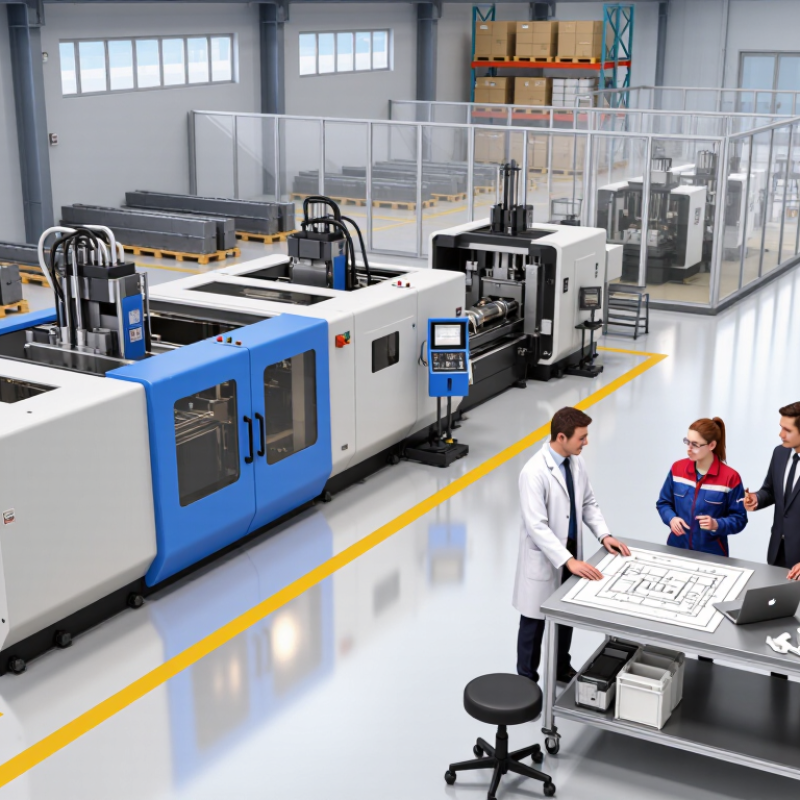
Before comparing reaction injection molding suppliers, turn the part into a measurable brief. Specify the finished dimensions, critical tolerances, annual volume, target unit cost, and expected service life. Describe the part’s job: does it absorb impact, seal against water, or support a fastener? Name the operating temperatures and likely exposure to sunlight, oils, or cleaning agents. Small details matter. A metal insert near a thin wall can change mold design and create a weak point.
Define the material performance you need, not just a preferred resin. Record target hardness, density, flexibility, and surface finish, then ask how each will be tested. State whether the part needs a painted skin, molded-in color, or a specific texture.
The Plastics Industry Association’s 2023 Size and Impact report estimated that the U.S. plastics industry contributed $468.2 billion to the economy in 2021. That broad figure is not RIM-specific, but it underlines the scale of the supply chain—and the value of precise specifications.
This step is easy to underwork. Include prototype quantities, production ramp timing, inspection records, and acceptable sample approval criteria. If requirements are still uncertain, mark them as provisional and ask suppliers to identify the risks before tooling begins.
A vague brief often turns into expensive revisions.

How to Choose a Reaction Injection Molding Supplier
Assess Supplier Expertise, Materials, and Equipment
A capable reaction injection molding supplier should understand more than the machine settings. Ask how its team manages mold temperature, mix ratio, and injection pressure for your part. Request examples of similar components, including their size, wall thickness, and finish requirements. Details matter. A supplier who can explain past production challenges may be better prepared to spot yours.
Discuss material options in terms of actual use, not just a data sheet. Will the part face repeated impact, outdoor exposure, or contact with cleaning agents? Ask for relevant test results and guidance on hardness, flexibility, and dimensional stability. Check that the proposed resin suits the part’s expected conditions. If requirements are still changing, say so; a precise quote based on shaky assumptions may not help.
Equipment also shapes consistency. Ask about machine capacity, metering systems, mold maintenance, and how operators monitor each production run. A plant visit can show whether tools are clean and records are easy to trace. Ask to see it. Notice how the team handles a setup change or a rejected part. I would not judge a supplier by one polished tour alone; follow-up questions can reveal gaps, and that is worth admitting before a long production commitment.
A reaction injection molding supplier should be able to explain how quality is controlled, not just point to a certificate. Ask how incoming resin and additives are checked, how molds are inspected, and which process settings are recorded during each run. Temperature, pressure, mix ratio, and cure time can affect part strength and surface finish. Request sample records from a recent production lot. Details matter.
Testing should match the part’s real job. For a flexible enclosure, this may include hardness, tensile strength, dimensional checks, and exposure to heat or cleaning agents. Ask how samples are selected, which instruments are calibrated, and what happens when results fall outside limits. A useful supplier will show test methods and corrective-action records, while explaining what the tests do not prove. One test is rarely enough.
Compliance needs the same close review. Confirm which material declarations, safety data, and industry-specific requirements apply to your product and sales regions. Ask for current documents and traceability linking each batch to its production and test records. Verify whether the supplier can support an audit or provide change notifications when materials or processes shift. No checklist is perfect. Even a tidy file can hide gaps, so compare documents with actual shop-floor practices. That takes time. It is worth asking twice.
A supplier’s stated production capacity matters only if it matches your part size, material, and order pattern. Ask how many suitable machines are available, and whether they are shared with other projects. A plant may quote high output but have limited shifts or finishing staff. Ask for recent production examples. Check the assumptions behind the estimate.
Lead times should include more than molding. Tool design, mold fabrication, first-article inspection, revisions, and shipping can each add days or weeks. Request a schedule with milestones and ask what could delay it. A firm date is useful, but only when its assumptions are clear. Estimates can still miss; build in a little room.
Tips: Compare total costs, not just the piece price. Include tooling, setup, inspection, trimming, packaging, freight, and likely scrap. Ask for pricing at several order volumes, then confirm what changes if demand rises. Get key assumptions in writing. A spreadsheet helps, but it can hide uncertainty. Review the numbers with someone who understands your production needs.
When choosing a reaction injection molding supplier, judge communication by its details. Can the team explain how part geometry, wall thickness, and draft affect filling and demolding? Ask who will respond to design questions, how quickly, and what information they need. A clear answer beats a polished promise.
Prototyping should test real risks, not just produce a convincing sample. Request parts made with representative resin and process settings, then inspect surface finish, dimensions, and fit. Ask the supplier to record changes between prototype rounds. It may feel slower. It often prevents expensive tooling revisions. NIST’s 2022 Manufacturing Extension Partnership impact reporting recorded $15.7 billion in new and retained sales and $1.6 billion in cost savings reported by participating manufacturers. Those figures are not specific to molding suppliers, but they show why practical manufacturing support deserves scrutiny.
Ongoing support matters after approval. Ask how the supplier handles resin substitutions, dimensional drift, and recurring defects, and whether it shares inspection results with each production run. A missed email can happen; a vague escalation path is harder to excuse. Agree on a named contact, response expectations, and a simple change log before production begins. Ask to review one anonymized inspection record. Small details reveal a lot.
Please share your email with us to see your results.