How to Choose the Right Polyimide Tape for Your Needs?

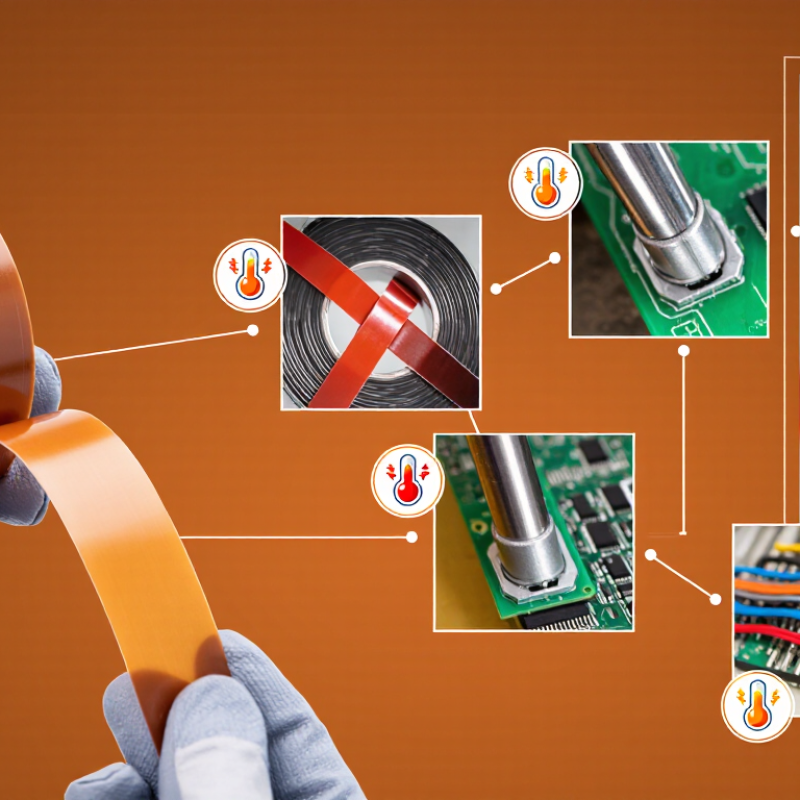
Choosing the right polyimide tape is a practical engineering decision, not a color or price comparison. The tape may sit beside a solder joint, wrap a transformer, or protect a delicate flex circuit. Each location creates different demands. Temperature, dielectric strength, adhesive stability, thickness, and clean removal must be evaluated together. Small errors can cause insulation failure, residue, or expensive rework.

Industry research supports this careful approach. Grand View Research and MarketsandMarkets identify electronics, automotive, aerospace, and energy systems as major demand areas for polyimide film products. These sectors increasingly require thin insulation, thermal resistance, and reliable electrical protection. However, market growth does not mean every product suits every process. A tape rated for short-term heat exposure may perform poorly during repeated thermal cycling. That distinction is easy to miss.

Start with the actual operating conditions. Record the continuous temperature, peak temperature, voltage, surface material, and exposure time. Then compare technical data sheets against recognized test methods, such as ASTM D1000, while checking relevant UL, RoHS, and REACH documentation. Silicone adhesives often offer strong high-temperature performance, while acrylic systems may provide different bonding and aging characteristics. The choice depends on the application.

Do not trust appearance alone. A smooth amber roll proves little. Supplier traceability, batch consistency, test data, and application experience matter more. Even published values can vary between test conditions. That deserves a second look. The most expensive polyimide tape is not automatically the safest choice; the best selection is the one validated under real assembly conditions.
How to Choose the Right Polyimide Tape for Your Needs?

Define the Performance Requirements for Your Polyimide Tape

Before choosing polyimide tape, define the actual performance requirements. In practical qualification work, temperature is only one part of the decision. A tape may face soldering heat, vibration, solvents, sharp edges, or repeated flexing. Adhesive behavior matters just as much.

Grand View Research estimated the global polyimide films market at about USD 1.1 billion in 2023, with continued growth through 2030. This expansion reflects stronger demand from electronics, flexible circuits, and high-temperature assemblies. However, film demand does not automatically prove tape suitability. The adhesive can fail first. That detail is often overlooked.

Set measurable limits for each application. Specify continuous temperature, short-term peak temperature, dielectric strength, adhesion, tensile strength, elongation, and residue tolerance. ASTM D1000 provides relevant methods for testing pressure-sensitive electrical tapes. IEC 60216-1 can support thermal endurance evaluation. For example, a process reaching 220°C for ten minutes needs different evidence from an assembly operating at 150°C for years. Test the tape on the actual substrate. Copper, powder-coated metal, and silicone surfaces behave differently. Do not rely only on a supplier’s headline temperature. A clean peel today may become brittle after aging. My own selection logic would still leave room for revision, because humidity, pressure, and application speed can change the result. Small details matter.

Match Tape Properties to Temperature, Chemicals, and Electrical Demands

Choosing the right polyimide tape starts with the working environment, not the color or price. Temperature is usually the first filter. Check the continuous operating temperature, short-term exposure, and heating cycle duration. A tape facing repeated soldering heat needs different performance from one used inside a warm enclosure. Do not rely only on a headline temperature rating. Adhesive behavior can change before the film visibly fails.

Chemical exposure also matters. Oils, cleaning fluids, flux residues, and solvents may soften adhesive or reduce bonding strength. Review chemical compatibility data, then test a sample on the actual surface. Surface energy, roughness, and cleanliness can change results. I once treated solvent resistance as a film-only issue. That was too simple. The adhesive often becomes the weaker link.

Electrical demands require careful attention to dielectric strength, insulation resistance, thickness, and edge coverage. A thin tape may fit tightly around a connector, but it can offer less protection against sharp edges or voltage stress. Consider creepage distance, voltage, frequency, and heat together. Request independent test data when the application is safety-critical. Small trials help reveal lifting, shrinkage, residue, and wrinkling. Test under real conditions. Polyimide tape is not automatically suitable for every high-temperature or electrical application. Its performance depends on the complete construction, installation method, and service environment.

How to Choose the Right Polyimide Tape for Your Needs? — Match Tape Properties to Temperature, Chemicals, and Electrical Demands
Application Profile Recommended Tape Construction Typical Film Thickness Adhesive Type Typical Continuous Temperature Range Chemical Compatibility Typical Dielectric Strength Key Selection Considerations
General high-temperature masking Polyimide film with a heat-resistant silicone adhesive 25–50 µm Silicone Approximately −60 to 200 °C Good resistance to many solvents, oils, and dilute acids; test against strong alkalis and concentrated chemicals Typically 4–7 kV per 25 µm, depending on film and construction Choose for broad temperature exposure, clean edges, and reliable removal after thermal processing
Soldering and reflow-process masking Thin polyimide film designed for short high-temperature exposure 25–50 µm Thermosetting silicone Approximately 180–260 °C continuous; short-term exposure may be higher Generally resistant to solder flux residues and common cleaning solvents; confirm compatibility with the specific flux and cleaner Typically 4–7 kV per 25 µm Prioritize dimensional stability, low adhesive transfer, and removal without lifting components or leaving residue
High-voltage electrical insulation Thicker polyimide film, often used as a multi-layer wrap or with an insulating backing 50–125 µm Silicone or acrylic, selected according to temperature and aging requirements Approximately −40 to 155 °C, depending on the adhesive system Good resistance to moisture and many industrial fluids; evaluate long-term exposure to oils, solvents, and refrigerants Commonly about 5–10 kV per 25 µm for the film; system performance depends on thickness, voids, and overlap Specify dielectric strength, insulation resistance, thickness tolerance, edge protection, and required safety margin
Transformer, motor, and coil wrapping Flexible polyimide electrical tape with controlled thickness and strong conformability 25–75 µm Heat-resistant silicone or electrical-grade acrylic Approximately 130–200 °C, based on the complete tape system Good resistance to varnishes and many electrical insulating fluids; verify compatibility with the impregnation process Typically 4–8 kV per 25 µm Match the tape’s thermal class, tensile strength, elongation, and adhesive stability to the winding process
Chemical-processing or solvent exposure Polyimide film with a low-residue silicone adhesive; use a fluoropolymer-laminated construction when required 50–125 µm Silicone or fluoropolymer-compatible adhesive Approximately −60 to 200 °C for common silicone systems Polyimide generally resists many hydrocarbons, alcohols, and moderate solvents; strong acids, strong bases, and prolonged immersion require testing Typically 4–8 kV per 25 µm Check immersion time, concentration, temperature, swelling, adhesive softening, and residue after chemical contact
Low-temperature or cryogenic masking Flexible polyimide film with an adhesive formulated for low-temperature tack 25–50 µm Low-temperature silicone Approximately −60 to 150 °C Good resistance to moisture and many common chemicals; confirm adhesion after thermal cycling Typically 4–7 kV per 25 µm Evaluate initial tack, flexibility, shrinkage, and clean removal after repeated cooling and warming cycles
Clean-room and residue-sensitive masking Low-outgassing polyimide film with a controlled-residue silicone adhesive 25–50 µm Low-outgassing silicone Approximately 150–200 °C Good resistance to common cleaning solvents; verify ionic contamination, outgassing, and extractables for the process Typically 4–7 kV per 25 µm Request particle, outgassing, ionic cleanliness, and adhesive-transfer data when contamination control is critical
Permanent bonding at moderate temperature Polyimide film with a higher-shear acrylic adhesive 25–75 µm Acrylic Approximately −40 to 150 °C; some formulations reach about 180 °C Good resistance to aging, ultraviolet exposure, and many chemicals; performance varies with solvent and temperature Typically 4–7 kV per 25 µm Use when long-term adhesion, shear strength, and resistance to oxidation are more important than easy removal
Very thin, conformable insulation Thin polyimide film with a thin, uniform adhesive coating 12.5–25 µm Silicone or acrylic Approximately 120–180 °C, depending on adhesive type Generally good resistance to common solvents; thinner constructions provide less protection against mechanical damage and chemical attack Typically 2–6 kV per 25 µm Select when space is limited, but confirm puncture resistance, dielectric margin, handling strength, and edge coverage
Important: The values shown are typical selection ranges for generic polyimide tape constructions, not guaranteed specifications. Actual performance depends on film grade, adhesive formulation, thickness, dwell time, pressure, surface condition, voltage waveform, and environmental exposure. Always verify the manufacturer’s technical data and test the tape under the intended operating conditions.

Choose the Appropriate Adhesive, Backing, Thickness, and Width

Choosing polyimide tape starts with the adhesive, not the color. Acrylic adhesives suit stable, high-temperature applications and offer cleaner aging. Silicone adhesives release more easily from sensitive surfaces and tolerate wider temperature changes. However, easy removal can reduce holding power. Test the actual substrate, especially powder-coated metal, flexible circuits, or textured plastic. A clean, dry surface matters. Even fingerprints can create a narrow lifting edge. During evaluations, I press a small strip firmly and inspect it after heating, cooling, and bending. A tape that looks perfect at room temperature may fail overnight.

The polyimide backing controls handling, insulation, and resistance to tearing. Thin tape follows sharp corners and produces less bulk under components. Thicker tape feels safer during wrapping, but it may resist tight bends and create uneven layers. Choose thickness from the mechanical task, not habit. Width should cover the protected area with a small margin. Excessive width wastes material and can trap wrinkles. Narrow widths work well around wires and terminals, while wider rolls support masking and surface protection. Measure the overlap before ordering. My first estimate was often too generous.

Tips: Clean the surface with a compatible solvent and let it dry fully. Check the tape’s temperature rating against the real process, not a brochure headline. Test peel strength after dwell time. Record liner removal, edge lift, and residue. If results conflict, repeat the test with production surfaces. Small trials prevent expensive surprises.

How to Choose the Right Polyimide Tape for Your Needs?

Choose the appropriate adhesive, backing, thickness, and width

Adhesive selection strongly affects the usable temperature range of polyimide tape. Silicone adhesive is generally preferred for high-temperature processing, acrylic adhesive for balanced heat and chemical resistance, and rubber adhesive for lower-temperature applications requiring strong initial tack. Select the backing thickness and tape width according to insulation, handling, conformability, and coverage requirements. Always confirm the exact operating limits with the product datasheet.

Evaluate Surface Compatibility, Application Conditions, and Durability

Choosing the right polyimide tape starts with the surface, not the tape roll. Clean metals, glass, ceramics, and high-temperature plastics can require different adhesive choices. Check surface energy, texture, and contamination from oil or release agents. A smooth panel may need less adhesive pressure than a rough powder-coated part. Test before production. Small details matter.

Application conditions also control performance. Record the actual temperature, heating time, pressure, and removal speed. A tape rated for high temperature may still fail after repeated thermal cycles. For soldering, masking, or coil insulation, confirm dielectric strength and resistance to chemicals. Press the tape firmly with a clean roller, especially over corners and seams. Do not guess.

Durability means more than holding power. Inspect for edge lift, adhesive transfer, shrinkage, and tearing after exposure. A practical trial should include the real substrate, production tool, and expected dwell time. I have found that short laboratory tests can look reassuring, while sharp edges or rapid cooling reveal weakness later. A datasheet is useful, but it cannot represent every process. If removal must leave no residue, test both immediate and delayed removal. Record the results, even when they are disappointing. That record often prevents a more expensive mistake.

Compare Product Quality, Certifications, Cost, and Supplier Support

How to Choose the Right Polyimide Tape for Your Needs?

Choosing polyimide tape requires more than checking temperature resistance. Product quality depends on adhesive consistency, film thickness, dielectric strength, tensile strength, and clean removal. A tape may survive high heat but still fail during winding or masking. Check the technical datasheet carefully. Ask for test results from the actual production lot, not only general marketing figures. Small differences matter.

Certifications should match your application and market. Confirm certificate numbers, testing scope, expiration dates, and whether they cover the adhesive system. Do not assume an ISO certificate proves product performance. It mainly reflects management processes. Compare cost by calculating waste, replacement frequency, labor, and downtime. The cheapest roll may create uneven edges or adhesive residue. That mistake becomes expensive. I have found that specifications sometimes look complete, yet application testing reveals weak adhesion. That is worth admitting.

Tips: Request samples in your working width and thickness. Test them on real surfaces, at actual temperatures, for the intended dwell time. Ask suppliers about lot traceability, certificates of analysis, packaging, lead times, and technical support. Reliable suppliers explain limitations instead of promising everything. They should help adjust adhesive strength, liner design, or roll dimensions when needed. Keep written test records. Memory is not enough.

Members of