Choosing the right Excavator Cylinder is crucial for the efficiency of any excavation project. According to industry expert John Walker, “An excavator's power hinges on its cylinders.” Selecting the appropriate cylinder not only affects performance but also impacts safety and durability.
Excavator cylinders are vital components. They control the boom, arm, and bucket movements on a machine. Each project has unique requirements depending on soil type and excavation depth. A mismatch can lead to equipment failure. This could mean costly delays and repairs, impacting project timelines.
It's essential to balance quality and cost. Many opt for cheaper options, believing they will save money. However, inferior cylinders can wear out quickly, creating more issues. Thoughtful consideration of excavator cylinder specifications is key. Don’t overlook the long-term benefits of investing in reliable, high-quality cylinders.
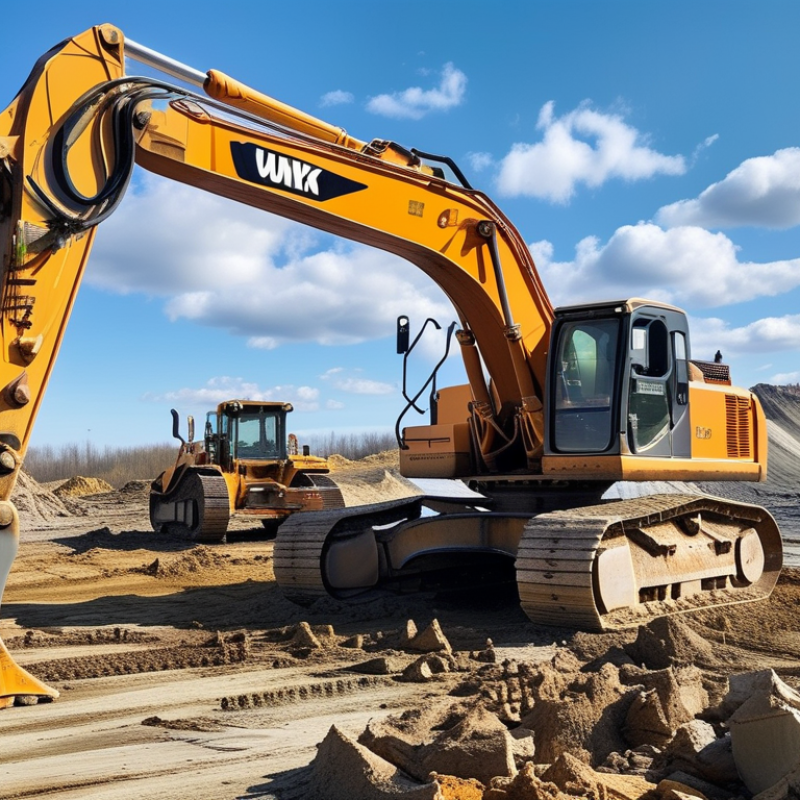
Excavator cylinders play a vital role in the performance of construction equipment. They are responsible for the machine's ability to lift, dig, and maneuver. According to industry reports, improper selection of excavator cylinders can lead to a 30% decrease in operational efficiency. This underlines how essential it is to understand the specifications and requirements for your specific project.
Choosing the right excavator cylinder involves assessing the project's load requirements and environment. The cylinder must withstand various stresses while maintaining durability. A miscalculation can cause not only equipment failure but also safety hazards for workers. Additionally, cylinders with unsuitable bore sizes can lead to slower operation speeds, impacting productivity.
**Tips:** Ensure compatibility with your excavator model. Check pressure ratings to prevent overloading. Regular inspections of hydraulic systems can help avoid costly failures and downtime. A deeper understanding of the working environment can also guide proper cylinder selection, integrating both mechanical and operational insights for optimal results.
| Project Type | Excavator Cylinder Diameter (inches) | Stroke Length (inches) | Operating Pressure (psi) | Application |
|---|---|---|---|---|
| Residential Construction | 4 | 20 | 3000 | Digging Foundations |
| Road Construction | 5 | 30 | 3500 | Excavating for Paving |
| Utility Work | 6 | 25 | 3200 | Trenching for Pipes |
| Landscaping | 3 | 15 | 2500 | Small Excavation Tasks |
| Mining Operations | 8 | 40 | 4000 | Heavy Material Excavation |

Selecting the right excavator cylinder is vital for project success. There are key factors to assess. The cylinder's capacity should match your machine's requirements. This ensures optimal performance and efficiency. Consider the working pressure needed for your tasks. Each project has specific demands that affect the choice.
Durability is another critical factor. Excavator cylinders operate in tough conditions. Choose materials that withstand wear and tear. Look for cylinders with protective coatings. This can extend their lifespan significantly. Remember, a cost-effective solution may not always be the best option in the long run.
Tips: Assess the environmental conditions regularly. Temperature and humidity can affect cylinder performance. Ensure proper maintenance to avoid unexpected failures. Also, consider the ease of installation. A complicated setup can lead to delays and frustration. Keep these considerations in mind to enhance your project's efficiency.
Excavator cylinders play a crucial role in various construction and excavation projects. Understanding the types of cylinders can enhance your project efficiency. There are mainly three types of excavator cylinders: boom cylinders, arm cylinders, and bucket cylinders. Each has unique functions tailored to specific tasks. Boom cylinders lift the entire arm, while arm cylinders allow the arm to extend and retract. Bucket cylinders are essential for controlling the bucket's movement.
Selecting the right type is key. Boom cylinders handle heavy lifting, ideal for deep digging. Arm cylinders provide reach, suitable for tight spaces. Bucket cylinders excel in scooping and dumping. Wrong choices can lead to inefficiencies, increasing project costs. Assess the workload before making a decision.
Tips: Always consider the load capacity and working pressure of each cylinder. Regular maintenance can prevent unexpected breakdowns. Investing in reliable cylinders pays off in the long run. If unsure, consulting with experts can provide valuable insights. Don’t rush the selection process; it’s better to evaluate all options carefully.
Choosing the right excavator cylinder can significantly impact your project's overall success. A well-suited cylinder improves efficiency and reduces downtime. Yet, many skip this critical decision, leading to costly mistakes. A 2021 industry report shows that improper cylinder selection can inflate operational costs by up to 30%.
Efficient hydraulics can boost productivity. According to research, using the right cylinder can enhance lifting capacity by as much as 15%. This optimization can save thousands in labor and time. However, failure to consider specifications can result in inadequate performance. Not all projects require high-end cylinders, and the wrong choice can lead to overpaying for unnecessary features.
Investing in the right excavator cylinder is not just about upfront costs. Ongoing maintenance is also a significant factor. A report from the National Institute for Occupational Safety and Health highlights that improper cylinder use accounts for 20% of workforce injuries in construction. Focusing on quality and suitability may mitigate these risks. Reflecting on the potential trade-offs ensures a strategic approach to procurement. Each project is unique, and understanding requirements is essential for sustainable operations.
Maintaining your excavator cylinder is essential for optimal performance. Regular inspections can prevent costly downtime. Studies reveal that poor maintenance can reduce an excavator's lifespan by up to 30%. Identifying wear, leaks, and cracks early is crucial.
Cleaning the cylinder is often overlooked. Removing dirt and debris keeps the seals intact. This small step can extend the life of the cylinder significantly. Additionally, using the correct hydraulic fluid is vital for preventing corrosion and ensuring smooth operation. Evidence suggests that using the right fluid can enhance efficiency by about 15%.
Monitoring operating temperatures is equally important. Excessive heat can damage components, leading to premature failure. Experts recommend keeping the temperature within the manufacturer's guidelines. Implementing routine checks and addressing any issues promptly reinforces reliability. Even minor neglect can lead to significant repair costs down the line.
Please share your email with us to see your results.