How to Choose the Right Cylindrical Gearbox for Your Needs?

Choosing the right Cylindrical Gearbox can significantly influence the performance of your machinery. As David Thompson, a renowned expert in mechanical engineering, puts it, "The right gearbox transforms potential into performance." His insight emphasizes the importance of selecting a gearbox that fits your specific application.

Cylindrical gearboxes are vital components in many industrial applications. They offer efficient power transmission and help optimize speed and torque. However, the selection process can be challenging. Various factors need to be considered. These include load capacity, input and output speed, and alignment requirements. Understanding these parameters is crucial for effective operation.

Finding the ideal cylindrical gearbox may require some trial and error. It's essential to evaluate products critically based on manufacturer specifications. Moreover, consulting industry professionals can yield valuable insights. The ultimate goal is to enhance your system's efficiency and reliability. As with any technical choice, informed decision-making will lead to better long-term outcomes.
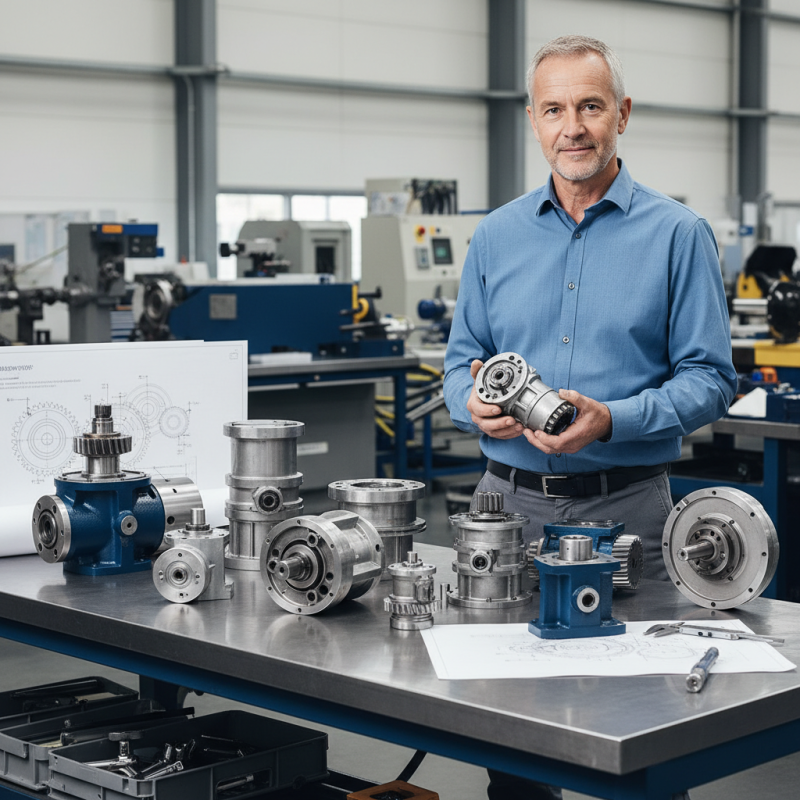
How to Choose the Right Cylindrical Gearbox for Your Needs?

Understanding the Basics of Cylindrical Gearboxes and Their Applications

Cylindrical gearboxes are essential in various machinery. They convert input speed and torque into usable forms. Understanding these components can significantly impact performance. Key factors include gear ratios, efficiency, and application requirements. Each gearbox type has unique characteristics that suit different tasks.

Several industries utilize cylindrical gearboxes. For instance, they are prevalent in manufacturing and automotive sectors. Their durability and efficiency often meet high demands. Selecting the right gearbox isn't always straightforward. A mismatch can lead to reduced efficiency or mechanical failure.

Consider the specifics of your application. Analyze torque requirements and speed ratios. Evaluate the working environment, as temperature and lubrication can affect performance. Understanding these aspects ensures a better fit for your needs. Gearbox selection is crucial for efficiency, and missteps can prove costly.

How to Choose the Right Cylindrical Gearbox for Your Needs?

Dimension Value/Options Application
Gear Ratio 5:1 to 100:1 Robotics, Conveyors
Output Torque 10 to 1000 Nm Industrial Machinery, Automotive
Input Speed 1000 to 5000 RPM Textile, Food Processing
Mounting Style Foot, Flange, Face Various Applications
Material Aluminum, Steel, Cast Iron Heavy Duty, Lightweight Applications

Key Factors to Consider When Selecting a Cylindrical Gearbox

When selecting a cylindrical gearbox, several key factors come into play. The application type is crucial. Is it for high torque or speed? Understanding the load requirements will help you choose the right product. The material used in the gearbox is another important consideration. Different materials have varying strength and durability, affecting performance and longevity.

Pay attention to the gear ratio. It determines the ratio of input to output speeds. A higher ratio means increased torque but reduced speed. Conversely, a lower ratio increases speed at the expense of torque. Finding a balance that suits your needs is essential. Compatibility with existing machinery should not be overlooked either, as improper fitting can lead to efficiency losses.

Tips: Always consider the environment where the gearbox will be used. Factors such as temperature and moisture can impact performance. Regular maintenance is critical; neglect can result in wear and tear over time. Keep an open mind about adjustments. What works today may not be suitable tomorrow.

Evaluating Load Capacity and Efficiency Ratings for Gearbox Performance

When selecting a cylindrical gearbox, evaluating load capacity is crucial. Load capacity refers to the maximum load a gearbox can handle without failure. Understanding the torque requirements of your application helps determine the appropriate gearbox size. Insufficient capacity can lead to excessive wear or catastrophic failure. Overloading a gearbox, especially in high-stress environments, poses significant risks. A careful analysis of expected loads is essential.

Efficiency ratings also play a key role in gearbox performance. Higher efficiency means less energy wasted as heat. This contributes to better overall system performance. It is wise to look for gearboxes with minimal friction losses. The type of gears used influences efficiency. For example, helical gears tend to be more efficient than spur gears. However, they can be more complex and costly. Choosing the right balance between cost and performance is critical for long-term sustainability.

In the end, both load capacity and efficiency ratings are interconnected. Ignoring one can lead to compromise in the other. Continuous evaluation and understanding of these factors enhance decision-making. Revisiting your choices and adapting to changing requirements proves vital in industrial applications.

Load Capacity and Efficiency Ratings of Cylindrical Gearboxes

Material Choices in Gearbox Manufacturing: Impacts on Durability

When selecting a cylindrical gearbox, the material used in manufacturing plays a crucial role in its performance and longevity. Common materials include steel, aluminum, and composites. Steel offers high strength and wear resistance, ideal for heavy-duty applications. Aluminum, while lighter, may not provide the same level of durability but is suitable for less demanding environments. Composites can be useful for specific applications where weight is a concern, though they might require careful consideration regarding temperature sensitivity.

The choice of material impacts the gearbox's resistance to fatigue and corrosion. For example, gearboxes in harsh environments benefit from treated steel or stainless steel options. These choices prolong service life and reduce maintenance frequency. However, selecting the optimal material isn’t always straightforward. Engineers must consider factors like load requirements, environmental conditions, and budget constraints.

Inadequate material selection can lead to premature failure. It's not uncommon for companies to overlook this aspect. A gearbox that fails in its critical application can lead to costly downtimes. Understanding the implications of material choices is essential for reliable performance. Gearbox users should consult with experts, weigh their options, and even review past experiences to make informed decisions.

Common Industry Standards and Specifications for Cylindrical Gearboxes

When selecting a cylindrical gearbox, understanding industry standards is essential. Various specifications dictate performance, durability, and reliability. Commonly, gearboxes must meet ISO 9001 standards for quality management. This ensures a systematic approach to quality assurance. Gear tooth design also follows strict norms to minimize wear and improve efficiency.

Another critical aspect is load capacity. Gearboxes are rated based on the torque they can handle. Torque ratings depend on the materials used and the manufacturing process. One should consider the application's specific requirements. For example, high-speed applications may require more precise gears to reduce backlash. Additionally, lubricant specifications must align with operational environments to ensure optimal performance.

It is vital to remain aware of advancements in gearbox technology. Continuous improvements lead to better energy efficiency and longer lifespans. However, not all manufacturers keep pace with these advancements. Therefore, assessing the credentials of the manufacturer is crucial. Verify industry certifications and peer reviews. This due diligence helps in avoiding potential failures.

Members of