How to Choose the Best Rotary Cylinder for Your Needs?
Choosing the right Rotary Cylinder for your application can be complex. Many factors come into play. According to industry expert, Dr. Samuel Greene, “Selecting the correct Rotary Cylinder can optimize your system's efficiency.” His insight highlights the importance of making informed choices.
Rotary Cylinders serve various functions in automation and manufacturing. Consider size, load capacity, and movement speed. Each detail matters. In some cases, users overlook critical specifications. This oversight can lead to underperformance or even failures.
Understanding your specific requirements is key. However, many still rely on general information. Evaluate your operational needs carefully. Avoid jumping to conclusions based on limited knowledge. Investing time in research yields better results in the long run. The right Rotary Cylinder can significantly enhance productivity and reduce costs.
Understanding the Functionality of Rotary Cylinders
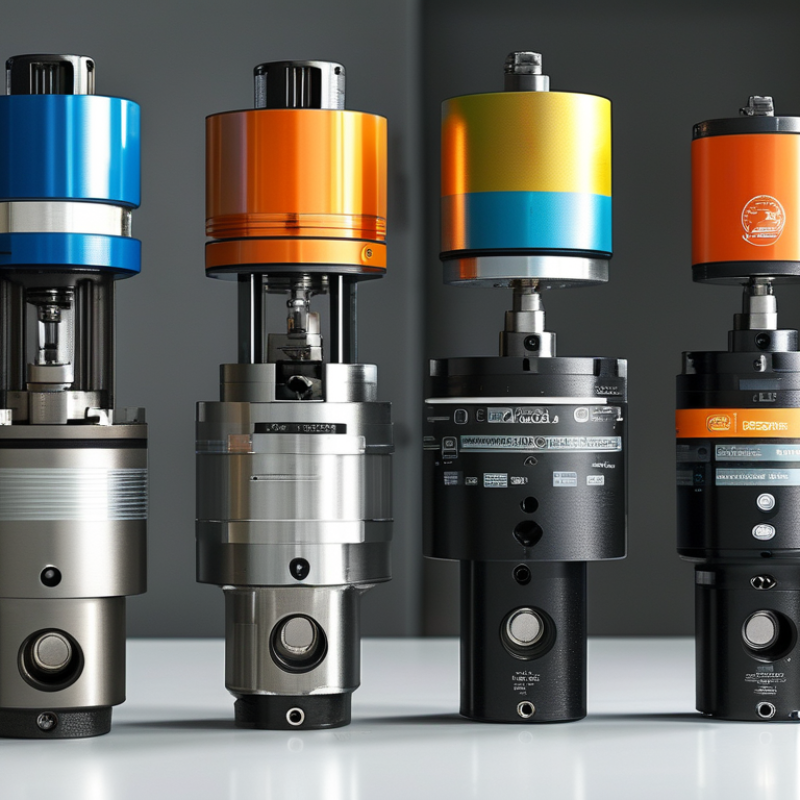
Understanding the functionality of rotary cylinders is key to choosing the right one for your applications. These devices convert pressure into rotational motion, making them vital in various mechanical systems. Rotary cylinders can be used in automation, material handling, and more, which makes them versatile. The selection process can be complex due to different sizes, torque ratings, and materials available.
Consider the operating environment when selecting a rotary cylinder. Extreme temperatures or corrosive substances can impact performance. It's vital to assess the specific requirements of your project carefully. Look for cylinders that match your torque and stroke needs. Always remember that not every cylinder will meet every application perfectly.
Evaluate available design features, such as mounting options and control mechanisms. Simple designs can offer reliability, but more complex options may provide enhanced capabilities. Pay attention to precision and response time as they can affect the overall efficiency of your system. Regular maintenance is also critical to avoid breakdowns. Seek feedback from professionals who regularly work with these components. Their experiences can shed light on potential pitfalls and best practices in choosing the best rotary cylinder for your needs.
Determining the Required Specifications for Your Application
When selecting a rotary cylinder, it’s crucial to understand your application’s specific requirements. Consider the environment where the cylinder will operate. Is it indoors or outdoors? Will it be exposed to dust, moisture, or extreme temperatures? Each of these factors affects performance and durability.
Next, evaluate the load capacity you need. Different applications require different pneumatic forces. Calculate the weight your cylinder needs to handle. Look closely at stroke length as well. An insufficient stroke may limit the functionality of your machinery. It’s essential to ensure a perfect fit for your intended task.
Don’t overlook the importance of speed and precision. How quickly must the cylinder operate? Can it maintain accuracy under varying loads? These parameters are often overlooked but are vital for optimal performance. Reflect on past experiences with similar equipment. If you faced challenges, take time to learn from them. It can be invaluable when navigating your current selection process.
How to Choose the Best Rotary Cylinder for Your Needs? - Determining the Required Specifications for Your Application
| Specification | Description | Value |
| Bore Diameter | The internal diameter of the cylinder | 20 mm - 100 mm |
| Stroke Length | The distance the piston travels within the cylinder | 50 mm - 300 mm |
| Max Pressure | The maximum operating pressure for the cylinder | 1 MPa - 10 MPa |
| Material | The material from which the cylinder is made | Aluminum, Stainless Steel |
| Operating Temperature | The temperature range in which the cylinder can operate | -20°C to 80°C |
| Mounting Type | The manner in which the cylinder is installed | Fixed, Pivoting |
| Seal Type | The type of seals used in the cylinder | Nitrile, urethane |
Evaluating Different Types of Rotary Cylinders Available
When selecting rotary cylinders, it's important to understand the variations available. Each type serves different purposes, and they vary in construction and functionality. Pneumatic rotary cylinders, for example, are often lighter and more responsive. They're ideal for applications needing quick, repeated movements. Hydraulic versions, on the other hand, offer increased force and durability, suitable for heavier tasks.
Consider the working environment when evaluating these cylinders. Some excel in high-temperature areas; others thrive in moist conditions. Material choices can greatly influence performance. Corrosion-resistant materials can enhance reliability, while standard metals may suffice in less demanding settings. Pay attention to the installation process as well. Some designs are easier to integrate into existing systems, while others may require modifications, adding to costs.
Performance metrics matter too. Evaluate speed, torque, and stroke length based on your specific needs. The power-to-weight ratio can also impact efficiency. Sometimes, manufacturers provide misleading specifications; independent testing or user reviews can help. Balancing technical specs with real-world performance is crucial for effective decision-making. Being aware of these aspects can lead to a more informed choice, ensuring your project meets its goals effectively.
Comparing Performance Features and Reliability Factors
When choosing a rotary cylinder, performance features are crucial. Look closely at the power output, speed, and torque. These specifications will determine how well the cylinder performs in your specific application. Analyze how each feature affects your project goals. Not all cylinders deliver the same level of efficiency.
Reliability is another key factor. Assess the materials used in the cylinder's construction. High-quality materials often correlate with longer lifespan and less maintenance. Seek evaluations or certifications that verify reliability standards. However, not every manufacturer provides comprehensive documentation. You might encounter gaps in claims versus actual performance.
Regular checks on performance metrics can help you evaluate long-term reliability. Change your approach if a cylinder consistently underperforms. Always be willing to reconsider your choices based on real-world usage. Prioritize cylinders that offer a balance of power and durability for the best results. Keep an eye on user reviews, but remember they may not provide the whole picture.
Assessing Cost-Effectiveness and Budget Considerations
When selecting a rotary cylinder, understanding the budget is crucial. Rotary cylinders vary widely in price, influenced by factors such as size, material, and design complexity. Assessing the cost-effectiveness of a cylinder involves looking beyond the sticker price. For example, consider the long-term savings on maintenance and energy efficiency. Cheaper options may seem attractive initially, but they often lead to higher costs over time due to repairs and replacements.
When budgeting, it’s important to analyze specific needs. Think about the application and the demands it places on the cylinder. Are you working in a high-pressure environment? This context can help pinpoint the right investment. A slightly higher upfront cost for quality can ensure durability and optimal performance.
Keeping an eye on energy consumption is also key. An efficient rotary cylinder consumes less power, further enhancing long-term savings. Look for models that provide clear specifications on energy use. Evaluating all these factors leads to a more informed decision. Aim for a balance between initial cost and operational longevity. Be wary of overspending on features that might not be necessary for your work. Prioritize your unique needs for the best outcome.