When selecting a Gas Detection System, safety is paramount. The Occupational Safety and Health Administration (OSHA) reports that gas-related incidents account for numerous workplace accidents each year. Investing in a reliable gas detection system can significantly reduce such risks.
Moreover, studies show that 20% of workplace injuries are linked to toxic gas exposure. Workplaces must prioritize a gas detection system tailored to their specific needs. Factors such as sensitivity, response time, and environmental conditions play critical roles in system effectiveness. A well-chosen system not only protects workers but also enhances operational efficiency.
However, navigating the options can be overwhelming. Many businesses may overlook vital features or capabilities. They often underestimate the importance of regular maintenance and updates. It’s essential to conduct thorough research before making a decision. Evaluating expert reviews and industry standards will guide you towards the right choice. Make informed decisions for a safer work environment.
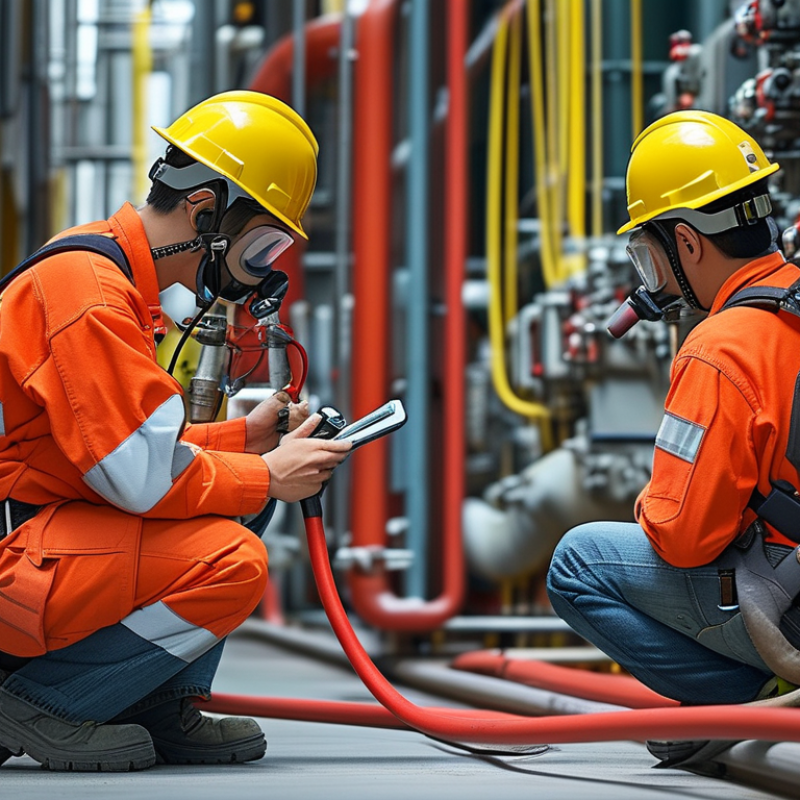
Choosing the right gas detection system can be challenging. Different environments require different types of systems. Understanding various options can help narrow down your choices.
There are portable gas detectors, ideal for personal safety or limited areas. They are lightweight and easy to use. Fixed gas detection systems are more suitable for industrial applications. They stay in place and continuously monitor gas levels, providing real-time data. Multi-gas detectors offer versatility and can measure several gases at once. This option is beneficial when multiple hazards are present.
Think about your specific needs. If you work in confined spaces, a compact, portable unit may be best. For larger facilities, consider installation and maintenance of fixed systems. It's essential to reflect on your environment and the specific gases you might encounter. Remember, each system has its limitations and is not infallible. Regular testing and maintenance are vital to ensure reliability.

Choosing the right gas detection system is crucial for workplace safety. Certain key factors significantly influence the selection process. The environment where the system will be used is paramount. For example, explosive areas require sensors with special certifications. Data from the Global Gas Detection Market Report indicates that the demand for portable gas detectors is rising, especially in oil and gas sectors.
The detection technology itself also plays a vital role. Electrochemical, infrared, and catalytic bead sensors all have different applications. Each has strengths and weaknesses. A report from the Occupational Safety and Health Administration (OSHA) underscores that over 80% of workplace incidents related to gas exposure could have been prevented with proper detection systems.
Considering maintenance is equally essential. Regular calibration and testing directly impact the efficacy of the system. Always consult with professionals for installation and maintenance guidance. This ensures reliability and safety over time.
Using gas detectors in confined spaces presents unique challenges. Employees need training on how to interpret readings accurately. Always evaluate the training programs available to your team. Proper knowledge can mitigate risks associated with gas exposure.
When selecting a gas detection system, evaluating sensitivity and accuracy is paramount. Sensitivity refers to the instrument's ability to detect low concentrations of gas, which is crucial in preventing dangerous situations. Studies indicate that a system with a sensitivity of 1 ppm (parts per million) can significantly enhance safety in environments where harmful gases may be present. For instance, systems designed for industrial applications often require such sensitivity to comply with safety regulations.
Accuracy is equally important, as it determines how closely the readings reflect actual gas concentrations. According to a recent industry report, many gas detection systems achieve accuracy levels of around ±3% of the reading. However, some older models may not meet current standards, potentially leading to false readings. In settings where precision is critical—like laboratories or industrial plants—using outdated technology can be a serious oversight. Therefore, continuous reevaluation of existing systems is necessary to maintain safety standards.
Choosing a gas detection system involves considering environmental factors as well. Different gases require varied detection methods, and not all systems perform optimally in every setting. For example, some sensors may struggle in high humidity, affecting their accuracy. Reflecting on the operational environment can lead to better, more reliable choices. A thorough understanding of both sensitivity and accuracy will aid in making an informed decision.
Choosing the right gas detection system involves understanding compliance standards and certifications. Standards such as IEC 60079 and ATEX play critical roles in ensuring that gas detectors function safely in hazardous environments. According to a report from the International Safety Equipment Association, 70% of gas detection failures can be traced back to non-compliance with these standards. This highlights the importance of selecting detectors that are certified and regularly tested.
Professional certifications ensure that the detectors meet necessary safety and performance benchmarks. For example, gas detectors certified by third-party organizations like Underwriters Laboratories (UL) provide reassurance of quality and reliability. When investing in these systems, consider requests for proof of adherence to relevant safety standards. This step is essential for ensuring that your workforce is protected from hazardous gas exposure.
When choosing your gas detection system, check for key certifications. Ensure the device is rated for your specific environment. Also, conduct routine checks on your chosen detector. Many forget to calibrate their equipment, which is crucial for accurate readings. If a detector malfunctions, it can lead to dire consequences. Regular maintenance of gas detection systems should not be overlooked. Safety is the priority.
When choosing a gas detection system, cost-effectiveness and maintenance should be key considerations. According to industry reports, maintenance costs can account for up to 40% of total lifecycle expenses. These costs often arise from sensor calibration, replacement, and equipment servicing. Understanding the expected lifespan of sensors can aid in decision-making. Regular maintenance can prevent unplanned system failures, which are often more costly.
Investing in a reliable system can yield long-term savings. For instance, a study by a leading safety organization found that effective gas detection systems reduce accident-related costs by approximately 50%. This emphasizes the importance of not only choosing a system based on initial costs but also considering ongoing expenses.
Here are some thoughts: consider sensor types that require less frequent calibration. Look for systems that provide clear data on their reliability and track record. Regular training for staff on maintenance procedures can also optimize system performance. Evaluate your monitoring needs carefully, as a system that is too complex may lead to wasted resources. Staying informed about your system's requirements could prevent overspending and enhance safety.
Please share your email with us to see your results.