Choosing the right Blower Fan Cooler can be daunting. With many options available, it’s essential to know what suits your needs best. These coolers are invaluable in both home and workplace settings. They offer airflow and temperature control, making them a practical choice for various environments.
When selecting a Blower Fan Cooler, consider factors like size and power. Larger models may move more air but can be noisier. Small units are quieter and portable, but they might not cool a space effectively. Think about where you will use it most. This choice can greatly affect comfort levels.
It’s also vital to account for energy costs. Some higher-powered models may lead to increased electricity bills. Reference reviews and expert ratings to ensure reliability and performance. Sometimes, personal experiences can highlight areas where coolers may fall short. Gather insights to make an informed decision that balances your needs and budget.
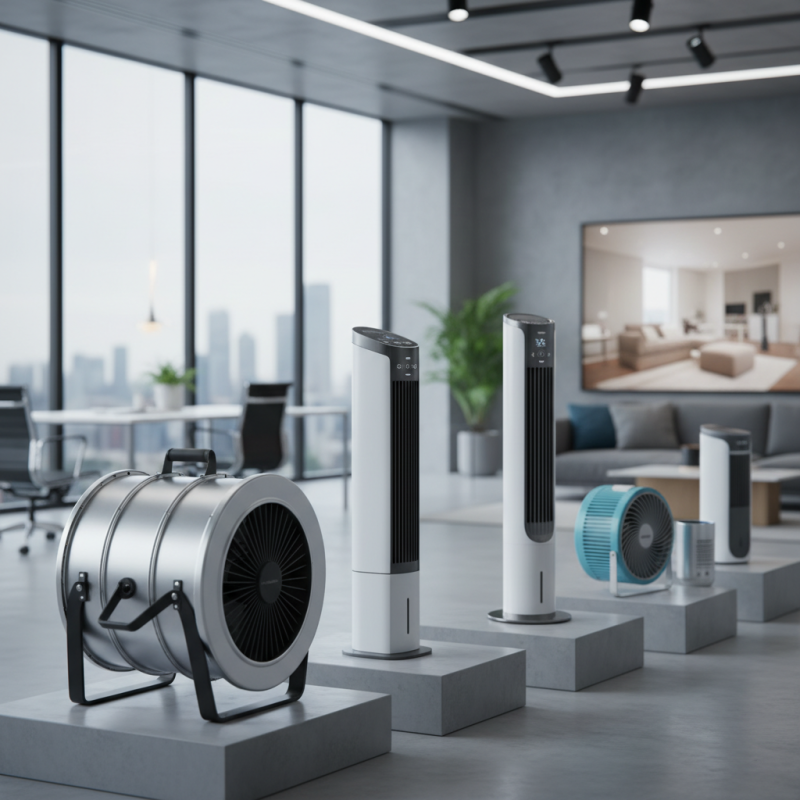
When selecting a blower fan cooler, understanding the types available in the market is essential. Two main categories exist: the axial fan and the centrifugal fan. Axial fans are recognized for their efficiency in moving large volumes of air at low pressures. They work well in spaces like workshops and warehouses. On the other hand, centrifugal fans provide higher pressure and are suitable for narrower spaces. They are effective in managing heat in industrial settings.
Recent industry reports suggest that the demand for blower fan coolers has surged by 15% annually. Many consumers seek efficient cooling solutions for both home and commercial environments. This is crucial, especially in warmer climates where overheating can lead to significant discomfort. However, some users report that centrifugal fans can be noisy, affecting the work environment. Balancing noise levels with performance is an ongoing challenge in choosing the right model.
Additionally, energy efficiency plays a vital role. Consumers should pay attention to the Energy Efficiency Ratio (EER) when selecting a blower fan cooler. A higher EER indicates better energy performance, which is increasingly important given rising energy costs. Yet, not all users understand how to assess these ratings, leading to potential mismatches between energy consumption and cooling needs. This lack of clarity highlights the need for reliable guidance in making informed decisions.

When choosing a blower fan cooler, key features matter significantly. Pay attention to airflow capacity. A higher CFM (cubic feet per minute) means better cooling. This is crucial in warmer climates or large spaces. Size is another important factor. A compact unit may be easier to position, but it may not provide adequate cooling for bigger areas. Balance size with power to ensure it meets your needs.
Noise levels often get overlooked. A cooler that is too loud can disrupt your environment. Check decibel ratings when possible. Portability can also be vital. Look for models with wheels or lightweight designs if you need to move the cooler frequently. A straightforward user interface can save time and frustration, especially if you are not tech-savvy.
Consider the energy efficiency of the model. Coolers that consume less energy can lower utility bills over time. Reflect on how often you plan to use the cooler. If it’s for occasional use, a simpler model might suffice. For regular use, durability and features become more essential. Each choice brings its trade-offs. Taking the time to assess these factors can lead to a better purchase.
When choosing a blower fan cooler, evaluating noise levels is crucial. Excessive noise can disrupt your environment. It’s essential to consider where you'll be using the fan. If you need it for a peaceful setting, opt for models with lower decibel ratings. Fans typically range from whisper-quiet to those that can be quite loud. Pay attention to the specifications provided by the manufacturer.
Energy efficiency ratings also play a significant role. Fans that consume less power save money in the long run. Look for fans with energy star ratings or similar certifications. This indicates they meet strict efficiency standards. A cooler operating at optimal efficiency reduces your carbon footprint and electricity bills.
Tips: Always check user reviews about noise levels. Users often share their experiences highlighting any discrepancies in manufacturer claims. Compare different models before making a purchase. Sometimes, cheaper options may lead to costly repairs. Real-life feedback helps you make informed decisions. Balancing noise and efficiency is key to finding the perfect blower fan cooler for your needs.
When selecting a blower fan cooler, size and portability are crucial. For small spaces, compact models are ideal. They take up less space and provide sufficient cooling power. According to a report by the American Society of Heating, Refrigerating and Air-Conditioning Engineers (ASHRAE), a smaller fan can deliver a cooling effect in localized areas, which may be more than enough for personal use.
Portability matters for versatility. Many users prefer lightweight models for easy transport. These fans should vary in weight between 5 to 15 pounds. A study from the Environmental Protection Agency (EPA) found that portable units can improve air circulation in specified areas efficiently. However, those who live in larger spaces may need a more robust option, which could be less portable.
Not all fans are optimal in every situation. Large, powerful units may offer better airflow, but can be cumbersome. Users should assess where the fan will be used most. Will it stay in one location, or be moved frequently? This decision is essential. Balancing power with ease of movement often requires careful consideration and self-reflection on individual needs.
| Dimension | Description | Portability Options | Ideal Usage Location |
|---|---|---|---|
| Small - 6" to 10" | Ideal for personal use, small spaces, or travel. | Lightweight, handheld, or desktop models. | Offices, bedrooms, and camping. |
| Medium - 11" to 16" | Great for small to medium-sized rooms. | Portable with wheels or built-in handles. | Living rooms, workshops, and garages. |
| Large - 17" and above | Designed for cooling larger spaces effectively. | Less portable, often fixed or mounted. | Warehouses, large garages, and outdoor events. |
| Specialized | Features like misting or high-velocity cooling. | Could vary from transportable to stationary. | Event spaces, industrial settings, and sports facilities. |
When selecting a blower fan cooler, understanding performance metrics is essential. Fans vary greatly in airflow efficiency, often measured in cubic feet per minute (CFM). Higher CFM ratings typically indicate stronger airflow, which is vital for cooling large spaces effectively. However, it’s important not to focus solely on CFM. Noise level is another crucial metric. A quieter fan may be preferable in noise-sensitive environments, even if it has a lower CFM.
Price points reflect significant differences in performance and features. Budget-friendly models may sacrifice durability and efficiency, leading to higher electricity costs over time. Investing a little more upfront might result in energy savings and longer lifespans. Be wary of flashy designs or gimmicky features that may not enhance performance.
Evaluating user reviews can add valuable insights. Some fans may initially impress with airflow, but fail to deliver consistent performance. Others might excel in reliability, yet fall short on airflow. Consider your environment and usage patterns. This reflection ensures you're choosing a blower fan cooler that meets your specific needs. Balancing price, performance, and personal requirements leads to a more satisfying purchase.
Please share your email with us to see your results.