How to Choose the Best Big Roots Blower in 2026?

Choosing the right Big Roots Blower in 2026 requires more than comparing airflow numbers and purchase prices. Industrial users must match the blower to pressure, flow, gas composition, operating hours, and installation conditions. A unit designed for wastewater aeration may not suit pneumatic conveying or vacuum service. The difference can appear in vibration, energy use, and unexpected maintenance.

A practical evaluation begins with the duty point. Confirm required flow, discharge pressure, inlet temperature, altitude, and daily operating cycles. Then examine rotor design, sealing method, lubrication system, motor efficiency, noise control, and available accessories. In a real plant, a small pressure mismatch can cause overheating or unstable performance. Measurements matter.

Look closely at the manufacturer’s documentation. Reliable suppliers should provide performance curves, material specifications, test procedures, spare-parts guidance, and service intervals. Ask whether published data reflects actual operating conditions or ideal laboratory testing. That question is often overlooked. It should not be.

Total cost deserves equal attention. A cheaper blower may consume more electricity for years. A premium model may deliver better efficiency, but only when correctly sized and maintained. Consider controls, variable-speed operation, filtration, cooling, installation, and technician support. Warranty terms also reveal how confidently a supplier stands behind its equipment.

Technology will continue changing in 2026. Digital monitoring, condition sensors, and improved motor systems can support predictive maintenance. Yet sensors cannot repair poor installation. Alignment, clean air intake, correct lubrication, and regular inspections remain essential. No selection is perfect. The best decision balances verified data, site experience, lifecycle cost, and honest recognition of uncertainty.
How to Choose the Best Big Roots Blower in 2026?

What Is a Big Roots Blower and How Does It Work?

How to Choose the Best Big Roots Blower in 2026?

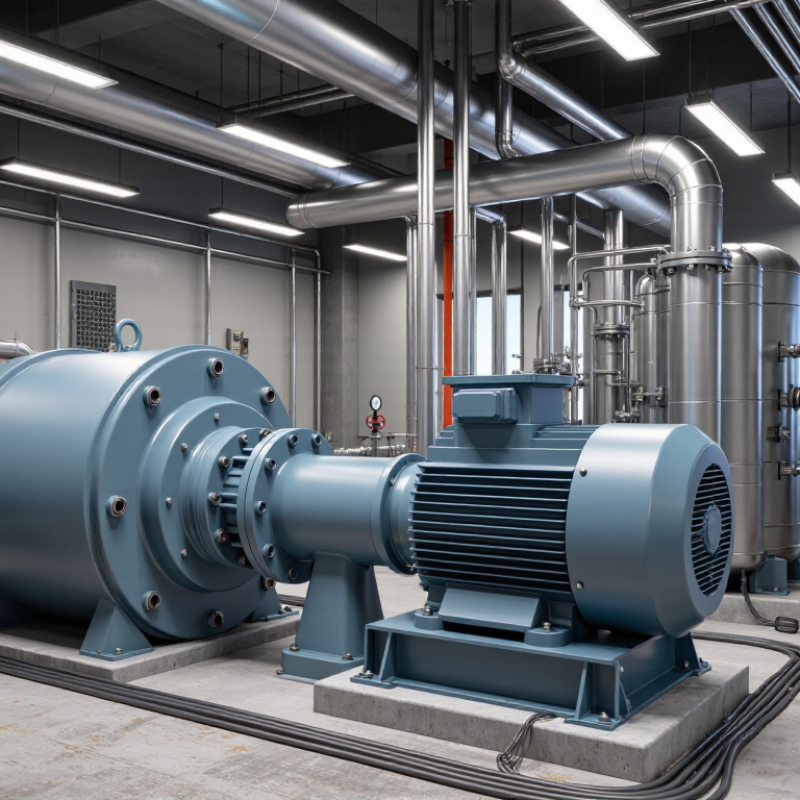
A big Roots Blower is a positive-displacement machine for moving large air or gas volumes. Inside its housing, two shaped rotors turn in opposite directions. Timing gears keep them synchronized. The rotors should not touch each other or the casing. That small clearance is critical.

As the rotors rotate, they trap air near the inlet and carry it around the casing. The air leaves through the outlet under pressure. The blower does not create pressure directly. System resistance creates the pressure difference. This detail is often misunderstood. Higher pressure increases heat, power use, and mechanical stress. Pulsation can also occur, especially without suitable silencers or control equipment.

Tips: Check flow, pressure, altitude, gas temperature, and operating hours before choosing a unit. A larger frame is not automatically better. Compare actual performance curves, shaft power, noise, vibration, and cooling requirements. Inspect bearing and gearbox lubrication arrangements carefully. For dusty environments, filtration becomes essential. A neglected filter can quietly reduce output and raise energy consumption. It may also damage the rotors. A small mistake in pressure estimation can produce a costly selection. Allowing reasonable capacity margin helps, but excessive oversizing may cause unstable operation and wasted electricity.


Which Performance Specifications Matter Most in 2026?

How to Choose the Best Big Roots Blower in 2026?

Which Performance Specifications Matter Most in 2026?

Choosing a large Roots blower starts with the process, not the catalog size. Define required airflow, discharge pressure, gas composition, temperature, and operating hours. A blower that moves impressive air at low pressure may fail under continuous compression. In field evaluations, I check the actual duty point against the performance curve. Rated capacity alone can mislead.

Volumetric flow, pressure ratio, and rotational speed deserve close attention. Higher speed may reduce equipment size, but it can increase noise, vibration, wear, and power consumption. Check volumetric efficiency and adiabatic efficiency together. The first shows how much air reaches the outlet. The second helps reveal energy losses during compression. Shaft power is critical. An undersized motor creates trips and unstable operation.

Temperature rise matters more than many buyers expect. Excessive outlet heat can damage seals, lubricant, filters, and downstream equipment. Ask for data at the expected inlet conditions, not only standard laboratory conditions. Acoustic levels and vibration limits should also be verified. These details affect worker comfort and maintenance costs. I have seen specifications that looked excellent until real dust and humidity changed the results. That is an uncomfortable reminder.

Review the control range, bypass response, bearing design, seal arrangement, and service intervals. Request test records, dimensional drawings, and clear warranty limits. Independent acceptance testing is valuable for large installations. Still, no specification sheet predicts every site condition. Leave operating margin, but avoid excessive oversizing. It wastes energy and can weaken control accuracy.

How to Match Blower Size with Your Industrial Application

How to Choose the Best Big Roots Blower in 2026?

How to Match Blower Size with Your Industrial Application

Choosing a large Roots blower starts with the process, not the equipment catalog. Define required airflow, discharge pressure, gas temperature, operating altitude, and daily running hours. A blower sized only by pipe diameter may deliver unstable performance. The first estimate is rarely perfect.

For wastewater aeration, calculate oxygen demand and basin depth before selecting flow capacity. For pneumatic conveying, consider material density, pipeline length, bends, and conveying velocity. A dense powder may need higher pressure, while excessive airflow can damage fragile particles. Leave enough capacity for normal variation, but avoid an oversized machine. Oversizing can increase power use, noise, and inefficient blow-off control.

Use verified process data and compare it with the blower’s performance curve. Check the operating point at both minimum and maximum demand. Motor power should cover pressure changes, hot conditions, and startup loads. In field reviews, I have seen designs fail because engineers used average flow instead of peak demand. That mistake is expensive.

Small details matter. Confirm inlet filtration, cooling, lubrication, relief protection, and pulsation control. Ask whether the system runs continuously or in short cycles. A variable-speed drive may improve turndown, but its energy benefit depends on real demand patterns. Recheck the calculation after installation. Actual pressure loss can differ from the original drawing.

How to Compare Energy Efficiency, Materials, and Maintenance Needs

How to Choose the Best Big Roots Blower in 2026?

Energy efficiency should lead the comparison. The IEA’s Energy Efficiency 2023 report estimates that electric motor systems consume about 70% of industrial electricity. A large Roots blower can therefore create significant operating costs. Compare specific power, measured in kW per cubic metre per minute, at the same pressure and flow. Do not trust capacity figures alone. U.S. EPA guidance reports that aeration may use 45–75% of a wastewater plant’s energy. Small efficiency differences matter.

Materials deserve equal attention. Cast iron suits many dry, stable environments, while ductile iron offers stronger resistance to mechanical stress. Stainless steel or protective coatings may perform better in humid or corrosive air. However, stronger material does not automatically mean longer service life. Check rotor balance, shaft seals, bearing quality, and thermal expansion data. ISO 1217 testing principles can help verify delivered flow and power. Field conditions often expose gaps between laboratory claims and daily performance.

Tips: Request a performance map, not one number. Measure inlet temperature, pressure, and motor load during testing. Set vibration and oil-level inspection intervals. Replace clogged filters quickly; they increase resistance and power demand. Maintenance teams should record sound changes, rising temperatures, and unusual oil consumption. This is imperfect, but useful. A variable-speed drive can reduce waste during changing demand, yet poor control settings may cause unstable operation. Review the full lifecycle cost every year, including electricity, parts, downtime, and technician access.

How to Choose the Best Big Roots Blower in 2026?

Comparison of energy efficiency, construction materials, and maintenance needs for common large Roots blower configurations.

Energy Efficiency

Higher-efficiency profiles reduce calculated power demand at the same airflow and pressure ratio. Actual results depend on speed, leakage, inlet conditions, and control method.

Material Selection

Cast iron is commonly selected for rigidity, ductile iron for improved impact strength, and aluminum alloys where lower weight and faster heat dissipation are important.

Maintenance Needs

Check oil level, belt or coupling alignment, inlet filtration, temperature, vibration, and clearances. Longer service intervals still require regular inspections.

Screening benchmark calculated for 1,000 m³ of inlet air at approximately 0.5 bar gauge pressure. The efficiency values represent typical engineering ranges rather than any specific manufacturer or brand.

How to Evaluate Suppliers, Safety Features, and Total Ownership Cost

How to Choose the Best Big Roots Blower in 2026?

Selecting a large Roots blower starts with the operating profile, not the catalog headline. Record required airflow, discharge pressure, gas temperature, altitude, and daily running hours. Measure the basics. A blower sized only for peak demand may waste energy during normal production. Check whether the supplier provides tested performance curves, tolerances, noise data, and documented efficiency results. Ask for references from facilities with similar duty cycles, not impressive installations with different conditions.

Evaluate the supplier’s engineering process and service capacity. Can its team review piping losses, pulsation, cooling, and foundation loads? Can technicians respond quickly with trained local support? Request inspection records, material certificates, factory testing details, and a clear warranty. Safety features should include pressure relief protection, inlet guards, non-return protection where needed, temperature monitoring, vibration alarms, and emergency shutdown access. Good documentation matters. Installation advice should be practical, not copied from a manual.

Total ownership cost often exceeds the purchase price. Compare motor electricity, oil changes, filters, spare parts, labor, noise treatment, and planned downtime over several years. Request a cost model using your actual load pattern. Look beyond price. An efficient blower can recover its higher purchase cost, but only if controls match real demand. I would also challenge every supplier’s savings estimate; field conditions rarely behave perfectly. A missed pressure drop or neglected maintenance interval can distort the result. That uncertainty deserves a visible allowance in the budget.

Article Source:

Members of