7 Tips for Choosing the Best Bait Bayonet Rigs

Choosing a carp rig can feel simple until the bait spins, slips, or sits awkwardly on the lakebed. Bait Bayonet Rigs offer a direct way to mount a boilie or other suitable hookbait, but small setup choices still matter. The bayonet’s length, hook size, and bait diameter should work together, not be selected in isolation.

These seven tips focus on practical details anglers can check at the bank. Look at how firmly the bait holds, whether the hook point stays clear, and how the rig settles over gravel, silt, or light weed. A balanced hookbait may present neatly, yet no setup performs identically in every swim. Water conditions and fishery guidance can change what is appropriate, so test carefully and follow local rules.

Keep it simple. A tidy rig is easier to inspect and adjust. This guide also considers hooklink material, bait size, knot security, and the value of checking the finished arrangement before casting. Even a carefully tied rig can behave differently underwater than it appears in your hands; that is easy to overlook. Use the suggestions as a starting point, then refine them with observation rather than assuming one pattern suits every session.
7 Tips for Choosing the Best Bait Bayonet Rigs

Understanding the Structure and Purpose of Bait Bayonet Rigs

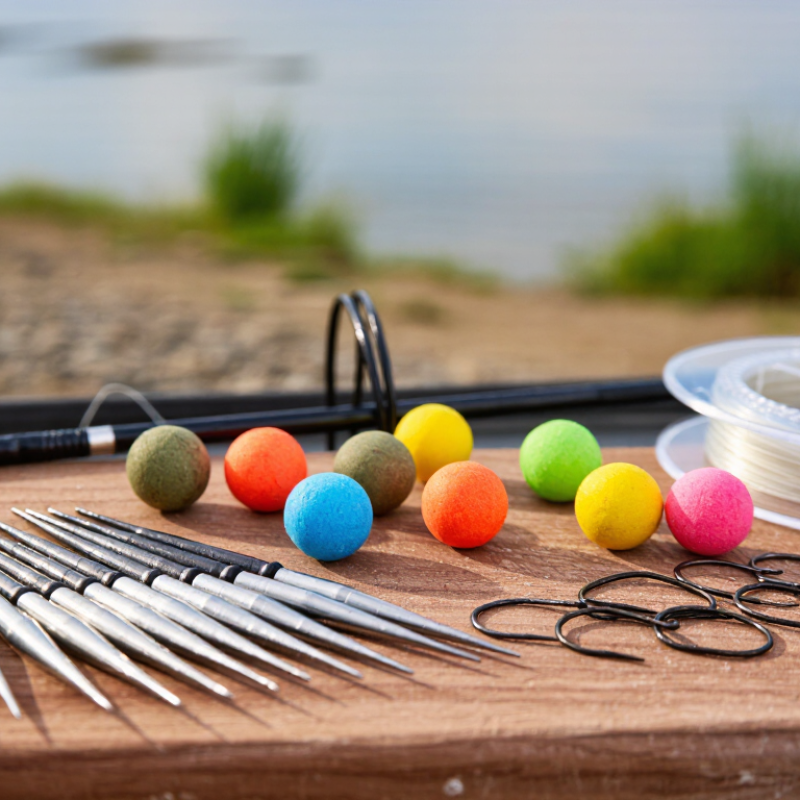
A bait bayonet rig is a simple way to mount firm hookbaits beside a hook. Its main parts are a hook, a short hair or flexible link, and a small pointed bayonet that enters the bait. The hook sits separately, leaving its point exposed. That separation can help the hook move freely when a fish takes the bait. Keep the connection neat. Tangled links can spoil the presentation.

The bayonet’s length should suit the bait. A short spike may hold a small boilie or pellet securely, while a larger bait needs enough grip to resist casting and water movement. Check that the bait does not cover the hook point or press against the hook bend. A practical test is to pull the rig gently by hand and inspect the bait for splitting. Firm baits usually hold better; soft ones may tear. That matters.

Rig choice depends on more than bait size. Weed, silt, and casting distance can change how the setup behaves, so test it in the conditions you expect to fish. It is tempting to assume a tighter mount is always better, but a bait that spins or cracks may present poorly. I would rather adjust the hair length and check the knot than trust a rigid setup blindly. Small changes count.

7 Tips for Choosing the Best Bait Bayonet Rigs - Understanding the Structure and Purpose of Bait Bayonet Rigs
Tip What to Check Practical Guidance Why It Matters
1. Match bayonet length to bait size The spike should enter the bait securely without protruding excessively. Short bayonets, often around 7–10 mm, suit many small pop-ups and wafters; longer options can suit larger baits. Check the bait’s firmness and thickness. A suitable length helps keep the bait in place while avoiding unnecessary exposed metal.
2. Choose bait that can hold the spike Bait firmness, texture, and whether it is drilled or pre-formed. Firm hookbaits generally hold a bayonet more reliably than soft, crumbly baits. Push the spike in straight and avoid splitting the bait. Bait that tears or slips can come loose during casting or on the lakebed.
3. Check the complete rig structure Hook, hooklink, hair or ring, and bayonet attachment. Look for a secure connection and a hooklink that suits the fishing situation. A bayonet is a bait attachment; it does not replace the hook or hooklink. Every component needs to work together for reliable presentation and safe fish handling.
4. Match the hook to the bait and target fish Hook size, pattern, wire strength, and local regulations. Select a hook that is proportionate to the bait and intended species. There is no single hook size that suits every bayonet rig. An appropriately sized hook helps preserve bait movement and supports secure hooking.
5. Consider buoyancy and presentation Whether the bait is a pop-up, wafter, or sinking hookbait. Test the assembled rig in water. A pop-up should lift as intended, while a wafter should settle gently; the hook and attachment affect the final balance. Testing confirms how the bait behaves with the actual hook and rig components.
6. Think about casting and bottom conditions Casting distance, weed, silt, gravel, and the likelihood of bait damage. Use a secure bait attachment for forceful casts and inspect the rig after contact with snags or heavy weed. Adapt the whole rig to the lakebed. Conditions can affect bait retention and whether the hookbait is presented cleanly.
7. Inspect and replace worn components Bent spikes, loose connections, damaged hook points, and weakened hooklinks. Check the rig before each session and after catching a fish or snagging. Replace damaged parts rather than relying on a compromised connection. Regular inspection improves reliability and helps prevent tackle failure.

Matching Rig Design to Your Target Species and Fishing Conditions

A bayonet suits firm hookbaits such as boilies and dense wafters: push the pin into the bait, then check that it sits straight. For carp, leave enough hair length for the bait to clear the hook bend; a bait pressed against the hook can hinder movement. Tench often take smaller offerings, so scale down the bait and hook rather than relying on a large boilie. Barbel feed close to the bottom in flowing water; use a compact bait that stays secure when the rig settles among gravel. These are starting points, not rules.

Let the water and bottom guide the details. In clear, shallow water, a low-profile bait and subtle hooklink may look less intrusive. Over silt, a buoyant wafter can help keep the hookbait from settling into debris; test its balance in the margins first. The U.S. EPA’s 1986 Quality Criteria for Water set dissolved-oxygen criteria for warmwater fish, including a 5 mg/L minimum for a one-day average. That figure describes habitat, not a guaranteed feeding threshold, but it reminds anglers that conditions matter beyond rig choice. If bites are scarce, I’d first question bait size, hair length, and presentation before changing everything at once. I still find that easy to overlook.

Choosing the Right Bayonet Length, Hook Size, and Materials

Tip 1: Match bayonet length to bait size. The point should hold the bait firmly without pushing through it or crowding the hook gap. For a small boilie, a short bayonet usually keeps the setup neat. Larger baits may need more reach. Check that the bait hangs straight and leaves the hook point clear. Small details matter.

Tip 2: Choose hook size for both bait and target fish. A hook that looks oversized beside the bait can still work, but it may affect presentation. Too small, and the bait may restrict the hook’s movement. Test the rig in shallow water if possible. Watch how it settles. I’d recheck this after changing bait size; it’s easy to overlook.

Tip 3: Inspect the materials, not just the shape. A corrosion-resistant metal bayonet and a strong, supple hooklink suit repeated use, while stiff materials can limit movement. Feel for sharp edges, weak joins, or a loose bait screw before casting. There is no perfect combination for every lakebed. Clear gravel and soft silt can call for different rig behavior.

Assessing Bait Compatibility, Presentation, and Rig Durability

7 Tips for Choosing the Best Bait Bayonet Rigs

Match the bayonet length to the bait’s firmness and shape. A slim bait should sit straight, not split or wobble after casting. Softer baits may need a shorter pin and gentler handling. Check that the hook point stays exposed. That small detail can affect how cleanly the rig sets. The Recreational Boating & Fishing Foundation and American Sportfishing Association reported 57.7 million U.S. fishing participants in their 2023 Special Report on Fishing. Anglers use many bait types and target different species, so one rig rarely suits every setup.

Tips: Test the rig with your actual bait before fishing. Pull the bait lightly, then check for tearing. Watch its movement in shallow water; a natural drift is usually better than a stiff, spinning presentation. For tougher baits, a longer pin may hold more securely, but it can also alter balance. There is a trade-off.

Durability depends on more than the pin. Inspect the wire for bends, rough spots, and corrosion, especially after saltwater use. A secure connection matters too; weak knots can undo a well-chosen rig. NOAA’s Marine Recreational Information Program publishes catch and release estimates by species and region, useful context when considering target fish and local methods. Those estimates do not identify a universally best bayonet rig. They remind us to choose for the conditions. And recheck after a few casts. It is easy to miss a small bend.

Testing Your Setup and Adjusting It for Better Results

Test a bait bayonet rig under the conditions you expect to fish. Use the same hook, bait size, and casting distance while checking how securely the bait stays mounted. A few casts are not enough; try several and inspect the bait after each one.

Keep notes. Record water depth, current, and any missed takes, since small changes can affect presentation.

Watch how the rig lands and settles. If the bait twists, shorten the hair slightly or check that it sits straight on the bayonet. Change one detail at a time, then repeat the test. Otherwise, it is hard to tell what helped.

Small changes matter. It is tempting to blame the rig when bites slow, but fish activity and changing conditions may be the real cause. I have sometimes adjusted too many things at once; the results taught me very little.

Give each setup a fair trial, and check knots and hook points before fishing. A dull point or loose connection can spoil an otherwise careful test.

Members of