Choosing the right Industrial Current Transformer (ICT) can be a daunting task. These devices play a crucial role in power management and measurement. They are used to step down high currents for safe monitoring. With many options on the market, selecting the right one for your specific needs requires careful consideration.
Understanding your requirements is essential. Different applications may demand varying levels of accuracy, capacity, and design. For instance, a power plant might need a transformer with high precision, while an industrial facility could prioritize cost-effectiveness. It's important to assess the environment where the ICT will be installed, as factors like temperature and humidity can affect performance.
Also, consider the manufacturer's reputation. Choosing a reliable brand can provide peace of mind. Look for certifications and industry standards. This can indicate the quality and reliability of the product. Reflecting on past experiences and seeking expert advice can further guide you in making an informed decision. Balancing these elements will lead to better performance and lower risks in your industrial applications.
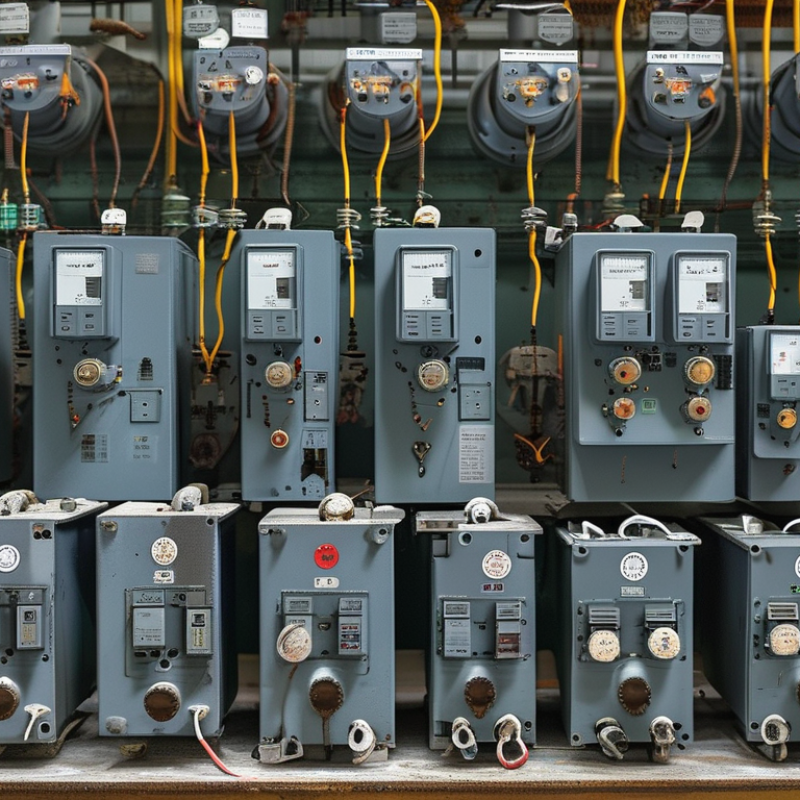
Industrial current transformers (CTs) are crucial for measuring electrical currents in various applications. Understanding their basic principles helps in making informed decisions. These devices step down high currents to manageable levels, allowing safe measurement and monitoring of electrical systems. They convert the primary current flowing through a conductor into a proportional secondary current. This transformation is essential for protecting equipment and ensuring accurate readings.
Choosing the right current transformer requires attention to factors like current ratings, accuracy, and application type. Different applications may demand specific features, such as insulation or temperature ratings. The selection process can feel overwhelming. Mistakes in choosing can lead to inefficiencies. Some may overlook the importance of load requirements or response times, which could affect system reliability. Thus, it’s vital to assess the specific needs of your operation carefully. Engaging with experts in the field can help clarify doubts, leading to better choices.

When selecting an industrial current transformer, understanding your specific requirements is crucial. Different applications demand varying specifications. For instance, a transformer used in a power distribution system will have different performance criteria compared to one used in renewable energy systems. You must assess the current range, frequency, and environmental conditions linked to your setup. Many overlook the importance of these factors, leading to inefficiencies or malfunctions.
It's essential to consider accuracy class as well. An application requiring high precision demands a transformer with low measurement error to ensure reliable data. Engineers often underestimate how critical this aspect is during the selection process. The installation environment also matters. For example, hostile conditions like high temperatures or moisture can influence the choice of materials for the transformer. Ensure compatibility to avoid future issues.
Ultimately, engaging with industry experts can refine your choices. Their experience often reveals nuances that manuals may not cover. Reflecting on your operational needs and potential gaps can foster a more tailored solution, ultimately leading to better performance and longevity of your equipment. Staying informed is half the battle in making the right decision.
| Parameter | Description | Importance Level |
|---|---|---|
| Rated Primary Current (A) | The maximum current the transformer needs to measure. | High |
| Burden (Ω) | The load the transformer is supplying, relevant for accuracy. | Medium |
| Accuracy Class | The tolerance level of the transformer's measurement capabilities. | High |
| Frequency (Hz) | The operating frequency, typically 50/60 Hz for industrial applications. | Medium |
| Insulation Level (kV) | The voltages the transformer can safely handle without breakdown. | Medium |
| Application Type | Specify if for metering, protection, or control applications. | High |
| Environmental Conditions | Temperature and humidity ranges where the transformer will operate. | Medium |
When evaluating different types of current transformers, it's crucial to understand their distinct characteristics. Current transformers (CTs) come in various types, including split-core, ring-core, and toroidal designs. Split-core transformers are versatile, allowing easy installation without disrupting existing circuitry. Ring-core transformers offer higher accuracy but may require complex mounting. Toroidal transformers are compact and efficient, but they can be more expensive. Each type has its advantages and potential drawbacks, like installation difficulty and accuracy trade-offs.
Taking time to assess your unique needs is essential. Consider the application, the necessary measurement range, and the installation environment. Do you require high precision? Is space a constraint? Reflect on these questions before making a decision. Evaluating the installation process can reveal potential challenges. Sometimes, simplicity might facilitate ease of installation over data accuracy. Quality specifications and accuracy ratings often fluctuate between models, affecting your choice. Always prioritize the intended use to guide you in selecting the right transformer that balances performance and practicality.
When selecting an industrial current transformer (ICT), understanding technical specifications is critical. Key specifications include the transformation ratio, accuracy class, and current capacity. For example, the IEEE recommends a 0.5 class accuracy for revenue metering. This ensures reliability in electrical measurements. Each specification affects performance, so careful assessment is vital.
Tip: Always consider the maximum current your system handles. An incorrect rating can lead to measurement errors. Choose transformers rated for slightly more than your highest expected current. This approach helps avoid saturation and inaccuracies.
Pay attention to the environmental ratings too. Some transformers may operate well in controlled indoor conditions but fail outdoors. Look for models with protective enclosures if outdoor use is a requirement. Reports indicate that over 30% of current transformers fail due to environmental conditions, leading to operational disruptions.
Tip: Regularly review the location and surrounding conditions of your ICT. Adjust your choice if necessary. Regular assessments can lead to better performance. Ignoring these factors can lead to costly errors and maintenance.
When choosing an industrial current transformer, connecting with reputable manufacturers and suppliers is crucial. Quality is paramount. Start by researching companies known for their reliability. Check their history and reputation in the industry. Look for manufacturers that specialize in current transformers. They should have experience in your specific application.
Engage with potential suppliers. Ask questions about their products. Inquire about the materials they use and their manufacturing processes. Reliable suppliers provide transparency about their standards. They should be open to discussing certifications and testing procedures. It’s also beneficial to seek feedback from their existing customers. This helps confirm the supplier's credibility.
Consider attending industry trade shows or webinars to connect with experts. Direct communication can reveal insights that online searches may overlook. It’s important to assess if the supplier understands your unique requirements. Relationships with knowledgeable suppliers can reduce risks. Reflection on supplier choices ensures you find partners that enhance operational efficiency. Be diligent in your selections to make the best choice for your needs.
Please share your email with us to see your results.