Choosing the right Choke Valve Parts is crucial for optimal performance in various applications. The integrity and efficiency of a choke valve heavily depend on its components. Selecting high-quality parts ensures precision and reliability, which can significantly impact operational efficiency.
Consider the specific requirements of your system. Different applications demand different specifications. For instance, materials and designs can affect pressure and flow control. A mismatch can lead to performance issues or failures. Each decision made on parts should reflect the demands of the environment in which the valves operate.
Consult experts or trusted resources. While intuition plays a role, informed choices are essential. Reflect on past experiences. Did a previous selection lead to complications? Evaluate the impact of component quality on overall performance. Assuring the right fit enhances reliability and minimizes unexpected downtime.
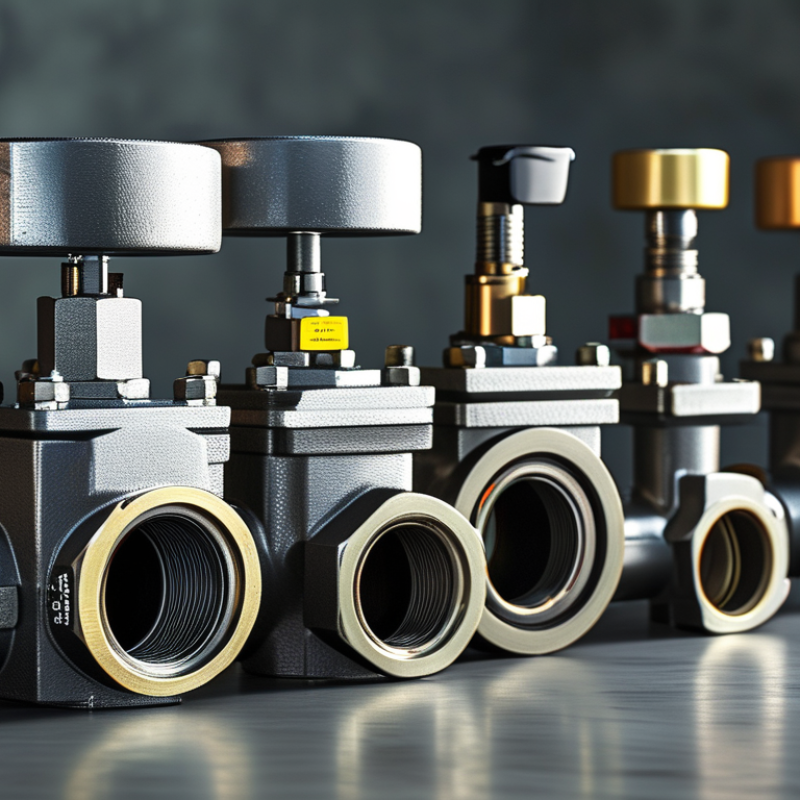
Choke valves play a crucial role in process systems by regulating flow and maintaining pressure. Understanding their functionality is essential for ensuring optimal performance. They manage fluid flow in applications like oil and gas production, where controlling pressure is vital. This control helps improve efficiency and prevent equipment damage.
Choosing the right parts for choke valves is critical. There are various configurations, such as fixed or adjustable orifices, that can affect performance. Each design has its advantages and limitations. A fixed orifice might simplify replacing parts, but an adjustable design offers flexibility for varying conditions. It's important to assess system demands carefully.
Consider these points for better performance: Ensure compatibility with the fluid type and the operating environment. Regular maintenance and inspections can identify wear or corrosion. This practice may prevent failures down the line. Also, involve operators in decision-making. Their hands-on experience can provide insights that enhance effectiveness. Don’t underestimate the value of user feedback in improving system performance.
| Part Name | Material | Pressure Rating (PSI) | Temperature Range (°F) | Recommended Applications |
|---|---|---|---|---|
| Choke Body | Carbon Steel | 2500 | -20 to 250 | Oil and Gas Production |
| Choke Seat | Stainless Steel | 1500 | 0 to 300 | Water Treatment |
| Choke Plug | Brass | 1000 | -40 to 200 | Chemical Processing |
| Choke Stem | Alloy Steel | 3000 | -20 to 350 | High-Pressure Systems |
| Choke Actuator | Plastic | 500 | -10 to 150 | Automation and Control |

Selecting the right choke valve parts is crucial for optimizing performance. Several key factors influence this process. First, consider the flow rate. Valves must handle expected fluid volumes. Mismatches can cause inefficiencies or failure. The working pressure also matters. Each component should withstand specific pressure levels. This ensures long-term functionality and safety.
Material choice impacts durability. Corrosion-resistant materials often last longer, especially in harsh environments. Think about temperature ranges as well. Components should function well under various thermal conditions. That’s where research on material properties becomes important. Testing materials in real conditions might reveal unexpected weaknesses.
Maintenance needs should also influence selection. Some designs are more accessible for repairs. Others may require specialized tools, making upkeep hard. Simplicity in design can lead to fewer breakdowns, enhancing reliability. Reflect on these factors carefully. The goal is a system that performs optimally while being easy to manage.
This chart illustrates the performance scores of various choke valve parts based on key factors affecting their efficiency. The data reflects the analysis of five critical components: Design, Material, Seal Quality, Maintenance Frequency, and Pressure Rating.
Choosing the right materials for choke valves is critical for optimal performance. Compatibility affects longevity and functionality. For instance, valves exposed to corrosive environments may fail if made from unsuitable materials. Data from industry reports indicate that nearly 30% of valve failures are due to material incompatibility. This statistic highlights the importance of selecting the right components.
Common materials include stainless steel, brass, and various polymers. Stainless steel resists corrosion and is ideal for high-pressure applications. However, it may not be suitable for environments with highly acidic substances. Brass can offer good resistance but may corrode under specific conditions. Understanding the operational environment is vital.
Additionally, the wear resistance of materials plays a significant role. In erosive situations, softer materials wear down quickly. A study revealed that valves made from hard alloys can extend service life by up to 50%. It’s essential to assess the trade-offs between cost and material performance. Cutting corners on material selection can lead to costly repairs and downtime. Thoughtful decision-making is crucial in choke valve design to ensure reliability and safety.
Selecting the right choke valve parts relies heavily on understanding flow characteristics, which plays a crucial role in valve sizing and design. According to industry reports, improperly sized valves can lead to pressure drops of up to 30%, resulting in inefficient operation. Evaluating flow characteristics involves analyzing the flow curves and pressure profiles through the valve. A valve designed for specific flow rates can perform optimally only if it matches the application’s conditions.
Pressure ratings should not be overlooked. A mismatch in pressure ratings can not only cause performance issues but also lead to safety risks. Factors impacting flow include valve body style, actuator type, and seat design. A study by the American Society of Mechanical Engineers found that a proper fit between these components can enhance efficiency by 15% or more. However, optimizing these elements requires careful consideration of the operating environment and expected fluid properties.
Remember to assess your system requirements thoroughly. This includes flow rate, temperature, and viscosity. Evaluation should not stop at installation; continuous monitoring of performance is essential for long-term efficiency. Reflect on past experiences and be cautious of common mistakes like overlooking maintenance schedules or assuming all valves behave uniformly. Engaging with experts can provide valuable insights into the complex dynamics at play, ensuring your valve selections contribute positively to your operational goals.
Maintaining choke valve components is essential for their longevity and optimal performance. Regular inspections can reveal wear or damage. Check seals and seating surfaces frequently. These areas are prone to erosion. Small nicks or scratches can lead to bigger issues over time. Replace components that show signs of wear to avoid malfunctions during operation.
Lubrication is vital for smooth functioning. Use appropriate lubricants that match the material of the components. Too much or too little can cause failures. It's also important to keep the valves clean. Accumulated debris can hinder performance. Develop a cleaning schedule that fits your operational demands.
Document every maintenance activity. This practice helps in identifying patterns and addressing recurring problems. Over time, you may notice certain components wear faster than others. Consider this in future replacements. Adapting your maintenance practices can significantly improve overall valve performance. Regular attention can lead to better reliability.
Please share your email with us to see your results.